
Bruce Springsteen extends 2024 world tour after European stadium run
Published on 06/18/2026 at 00:10 | Editorial responsibility: Rafael Müller, Editor-in-Chief AD HOC NEWS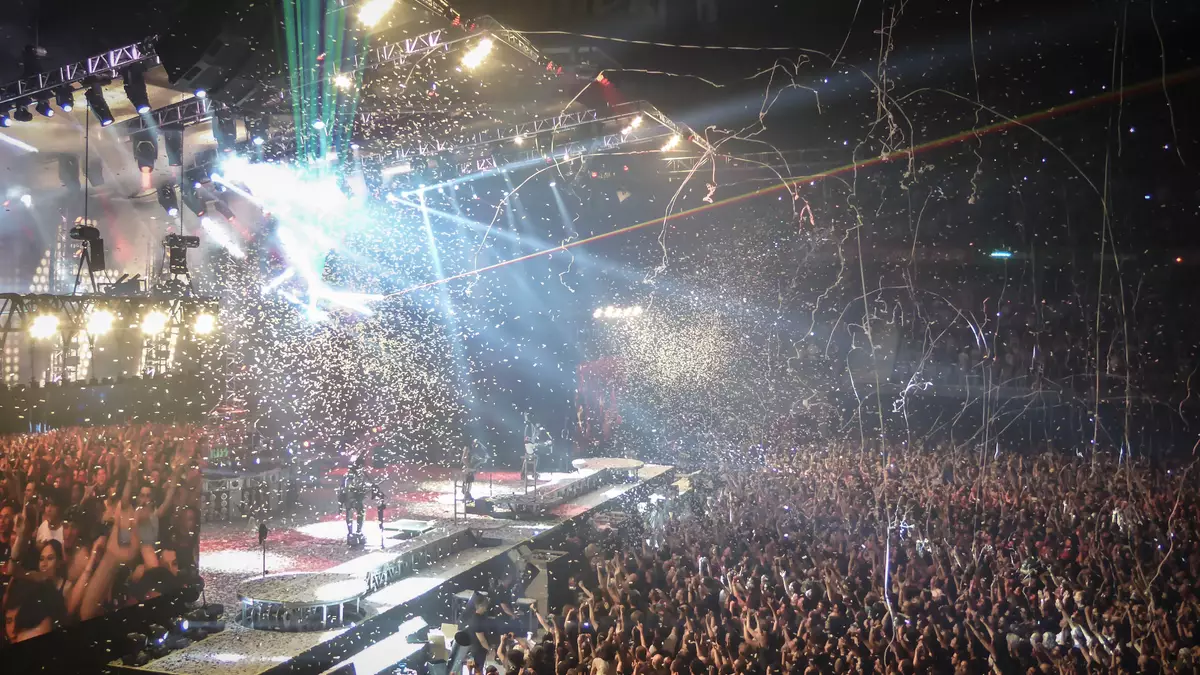
Bruce Springsteen is proving once more in 2024 that few artists can match his mix of stamina, storytelling and stadium power. After another high-energy European stretch of his current world tour with the E Street Band, the New Jersey legend continues to add dates and celebrate a live career that now spans six decades.
The current shows underline how tightly Springsteen and the E Street Band can still control a stadium. Fans report three-hour sets, rapid-fire transitions between songs and a bandleader who still sprints across the stage. For many concertgoers, these performances feel like a living history lesson in American rock, delivered at full volume and without nostalgia haze.
How Bruce Springsteen shaped stadium rock
Background pieces, chart facts and more AD HOC NEWS coverage on Springsteen's impact on rock and live culture.
More news on Bruce Springsteen at AD HOC NEWS ->Thursday focus: why Bruce Springsteen's live shows still matter
On a Thursday night, as fans file into yet another sold-out arena or stadium, the atmosphere around a Bruce Springsteen show feels almost ritualistic. People arrive in vintage tour shirts from the 1980s, clutch homemade signs and trade stories about their first concert with the Boss. The anticipation is not just for individual hits, but for a complete narrative arc that will stretch over several hours.
Springsteen has refined this arc over decades. He usually blends early-career tracks, songs from his commercial peak in the 1980s and more recent, reflective material. The balance changes from tour to tour, but the principle stays the same: a Springsteen concert is supposed to feel like a single, long story about work, hope, loss and community. That focus on storytelling sets him apart in a touring landscape dominated by precision-timed productions and rigid setlists.
At the same time, the E Street Band remains an unusually flexible live unit. Arrangements can stretch or tighten depending on the night, and individual members often step forward for extended solos or vocal moments. Fans who follow several dates on a tour regularly compare versions of the same songs and collect memories of subtle shifts in tempo, emphasis or crowd interaction.
Even in 2024, many observers underline how Springsteen's shows resist nostalgia packaging. There are tributes to lost band members and nods to the past, but the concerts are staged as present-tense events. The Boss does not simply reenact earlier tours. Instead, he adjusts pacing, setlist themes and staging to the current moment, acknowledging the passage of time while still pushing forward.
For younger fans, often brought along by parents, these evenings can feel like a crash course in rock history. They see a veteran artist moving, sweating and singing at full force, supported by a band that understands both the music's roots and its role in contemporary culture. That multigenerational connection is a key part of Springsteen's current touring power.
From New Jersey clubs to worldwide stadiums
Bruce Springsteen's career began in small New Jersey venues, where he developed a reputation for long, unpredictable shows. Those club dates in the early 1970s already contained the elements that later defined his stadium era: extended storytelling, improvisation on stage and an instinct for reading the room. The breakthrough with Born to Run in 1975 transformed that local legend status into mainstream recognition.
Over the following decades, Springsteen managed a rare double: he became a chart-topping mainstream star while retaining credibility among rock critics and dedicated fans. Albums like Darkness on the Edge of Town, The River and Born in the U.S.A. linked heartland rock with social observation. Their songs supplied a steady stream of live staples, from stadium anthems to introspective ballads.
The evolution from arenas to stadiums forced Springsteen and the E Street Band to rethink their stagecraft. Visual elements grew in importance, with large screens and lighting systems supporting the narrative flow. However, the core remained human interaction: call-and-response segments with the crowd, band introductions that feel like family gatherings and spontaneous moments when Springsteen pulls fans on stage or reacts to a sign request.
Unlike many peers, Springsteen also embraced quieter, acoustic tours during his career. Those stripped-down shows highlighted the songwriting and gave songs new shades of meaning. When he returned to full-band formats, the contrast made the larger productions feel even more powerful. That alternation between intimate and grand-scale performances is part of the long-term appeal.
In interviews and on stage, Springsteen often frames his work as a long conversation with his audience. He references earlier tours, revisits themes and acknowledges changes in social and political climates. That ongoing dialogue has helped him navigate shifts in the music industry, from vinyl to streaming, without losing his core identity as a live performer.
Commercially, this consistency has translated into strong tour demand well into the 21st century. Box office figures for recent legs repeatedly show high ticket sales, and resale prices indicate persistent fan interest. Even as the broader rock market faces competition from pop, hip-hop and electronic acts, Springsteen remains one of the most reliable names in the touring business.
Key albums that still shape the setlists
Springsteen's catalog is deep enough to support dramatically different setlists from night to night. Still, certain albums form the backbone of his shows. Born to Run remains a landmark, with its widescreen mix of romanticism, escape fantasies and street-level detail. Its title track, along with songs like Thunder Road, continues to spark some of the loudest singalongs in stadiums.
Darkness on the Edge of Town adds grit and realism to that romanticism. Tracks from this record often anchor the more serious mid-section of a set, where Springsteen focuses on working-life struggles, moral choices and the weight of expectations. The tension between youthful dreams and adult responsibilities runs through these songs and resonates across generations.
The River contributes both party songs and emotional depth. Upbeat tracks can supercharge the crowd, while slower pieces underline Springsteen's ability to inhabit characters dealing with disappointment, broken relationships or economic pressure. The album's range helps the E Street Band shift gears within a single show without losing coherence.
With Nebraska, Springsteen proved he could strip his music down to bare acoustic recordings and still hold listeners. Though the album's dark, sparse tone is less prominent in stadium settings, selected songs occasionally appear in quieter segments of a concert, offering a stark contrast to the surrounding rock arrangements.
Born in the U.S.A. remains the commercial giant, packed with singles that defined 1980s radio and MTV. In live settings, Springsteen has repeatedly reinterpreted these songs, emphasizing their lyrical nuance over the bombast often associated with their original chart run. The title track, in particular, can appear in different arrangements that underline its critical edge.
Later works such as The Rising and Wrecking Ball introduced new layers of social and political commentary. Songs from these albums bring themes of grief, resilience and collective responsibility into the modern setlists. They show that Springsteen's songwriting did not freeze in a nostalgic past, but continues to react to current events and debates.
The E Street Band as a long-running rock institution
The E Street Band's role in Springsteen's sound cannot be overstated. This is not a rotating group of anonymous backing musicians, but a recognizable ensemble with its own internal mythology. Over time, individual members have become beloved figures in their own right, and the band lineup has navigated losses, additions and reunions while preserving a distinct identity.
In concert, the E Street Band functions as a highly responsive engine. The rhythm section keeps long sets grounded, while guitars, keyboards and horns provide dynamic color. Solos are not just technical displays, but emotional punctuation marks within the narrative of a song. Fans often notice how small cues from Springsteen can trigger shifts in arrangement or transitions into unexpected covers.
Part of the band's aura stems from its continuity. Many members have been associated with Springsteen for decades, building a shared vocabulary of gestures, glances and musical shortcuts. That familiarity allows them to react quickly when the Boss decides to extend a song, change the intro or accommodate a sign request from the pit.
At the same time, newer members and guests have brought fresh energy and perspectives. Their integration shows how a long-running rock institution can evolve without losing its core. The E Street Band model contrasts with touring formats where musicians rotate frequently around a central star, and it helps explain the sense of community that many fans describe.
Visually, the band projects a mixture of discipline and looseness. There is choreography in the broad sense - positions on stage, moments near the crowd, shared cues during instrumental breaks - but within that framework, individuals have room to move, joke and improvise. That balance keeps shows feeling alive and unscripted even on tightly scheduled tours.
Offstage, the E Street Band's story has been marked by triumphs and losses. Tributes during concerts underline that history, turning certain songs into memorials without freezing them in sentimentality. The ongoing touring activity thus also becomes a way of keeping collective memories present and passing them on to younger audiences.
Thursday rituals: how fans experience a Boss show
On a Thursday show day, many fans start early. They queue outside arenas or stadiums for the pit, exchanging tips about previous tours, rare songs and setlist patterns. Online communities dissect recent concerts, guessing which deep cuts might appear that night. For some, the preparation itself becomes a key part of the experience.
Merchandise lines form long before the first note. Limited-edition posters, tour shirts and city-specific designs turn the evening into a tangible memory that can be taken home. The visual language often references iconic cover art, New Jersey symbols or local landmarks tied into the tour's design.
Inside the venue, pre-show playlists and lighting build anticipation. When Springsteen and the E Street Band finally walk on stage, the reaction is immediate and loud. Fans in the front rows often sing along from the very first chord, while those in the upper tiers stand and clap in time. The energy level remains remarkably high even on weeknights.
During the show, intergenerational scenes stand out. Parents hoist children onto their shoulders, explaining lyrics or pointing out favorite players. Longtime followers, some of whom have attended dozens of concerts, trade knowing looks when Springsteen pulls out a rare track. The sense of being part of a mobile, global community is strong.
Food and drink vendors, security teams and local staff all become part of the machine that keeps a modern stadium show running. For cities, a Springsteen concert often means a noticeable spike in foot traffic and transport usage around the venue. Local hotels and restaurants adjust to the influx, especially when fans travel from other regions or countries.
After the final encore, as lights come up and exit music plays, a different ritual begins. Fans film short recaps, compare favorite moments and check setlist sites to confirm which songs were played. Social media fills with photos of sweat-soaked band members, crowd shots and close-ups of Springsteen interacting with the front rows.
Springsteen and the changing music industry
Bruce Springsteen's career spans a period of dramatic transformation in the music industry. He emerged in an era dominated by vinyl records, FM radio and print music journalism. Today, his songs circulate via streaming platforms, algorithm-driven playlists and social media clips. Despite these changes, his core artistic approach has remained stable.
One key factor is the emphasis on albums as cohesive works. While the streaming age favors individual tracks, Springsteen continues to think in terms of bodies of work, structuring releases around themes and narratives. That album mindset translates naturally into his live shows, which often feel like a journey through successive chapters rather than a random jukebox.
Another factor is his reliance on touring as a central pillar of his career. Long before recorded music sales began to decline, Springsteen had cultivated a reputation as a road warrior. That focus positioned him well when concert revenue became the primary income source for many artists. However, it also demanded careful management of physical and logistical challenges.
In addition, Springsteen has made strategic use of archival releases and box sets. Remastered albums, outtake collections and live recordings have helped maintain interest in older material while providing fans with deeper context. These releases appeal to dedicated listeners who want to trace the evolution of songs and hear alternate versions.
The digital age also introduced new ways of documenting and sharing concerts. Fans now upload clips, photos and detailed reports within hours of a show. While that can reduce the element of surprise for upcoming dates, it also amplifies the sense of a global Springsteen community. People who cannot attend a particular concert still feel connected through online coverage.
At the same time, the increased visibility of tours brings debates about ticket pricing, access and resale markets. Springsteen's fan base, which includes many long-time followers, is particularly sensitive to these issues. Discussions around fairness and affordability accompany almost every major tour announcement, reflecting broader tensions in the live music economy.
Lyrics, themes and the American narrative
Springsteen's songs have long been associated with a particular vision of the United States. They depict small towns, factory workers, soldiers, drifters and dreamers trying to navigate economic and emotional landscapes. This focus on everyday stories has made him a reference point in discussions of American identity, especially in times of crisis.
Many tracks explore the tension between aspiration and reality. Characters chase escape routes, whether by car, highway or train, yet often confront structural barriers or personal limitations. That mixture of yearning and realism gives the music emotional weight and keeps it from tipping into pure romanticism.
Over time, Springsteen's writing has become more explicitly reflective. Later albums engage with topics such as deindustrialization, financial instability and the costs of war. Still, he rarely offers simple solutions. Instead, he highlights resilience, mutual support and the search for dignity in difficult circumstances.
Religious language and imagery appear throughout the catalog, often blended with secular settings. Motifs of redemption, confession and grace coexist with barroom scenes, roadside meetings and domestic disputes. This combination helps the songs resonate with listeners from different cultural backgrounds, who can read them through spiritual, political or purely emotional lenses.
On stage, Springsteen sometimes introduces songs with short spoken anecdotes that deepen their context. He might recall the town that inspired a particular lyric, speak about a friend or family member behind a character or link a track to current events. These stories reinforce the idea that his work is rooted in lived experience.
For scholars and critics, the body of work offers material for analyses that range from literary studies to sociology. Academic conferences, books and university courses have examined his narratives, metaphors and recurring characters. That level of attention is unusual for a rock artist, underscoring the cultural significance attributed to his catalog.
Stagecraft, voice and physical performance
Bruce Springsteen's stage presence combines athleticism, humor and intensity. Even in recent years, he spends much of a show in motion: running along ramps, leaning into the crowd, jumping from risers and dancing with band members. This physical commitment has become a signature, signaling that he is not treating concerts as routine obligations.
Vocally, Springsteen has adapted to the passage of time. The bright, youthful rasp of the 1970s is not identical to his current tone, but he has adjusted keys, phrasing and dynamics to keep performances expressive. Many fans appreciate the added grain in his voice, which can emphasize the lived-in quality of later songs and cast older material in a new light.
Stagecraft also involves pacing. Springsteen and the E Street Band carefully alternate between high-energy rockers, mid-tempo grooves and quiet ballads. This structure allows both the performer and the audience to recover between peaks, while maintaining emotional engagement. Extended instrumental codas and crowd singalongs help stretch climactic moments without overtaxing the voice.
Lighting, video and stage design have grown more sophisticated over time, but remain in service of the music. Rather than dominating the show with pyrotechnics or elaborate props, the production aims to frame the band effectively and ensure good visibility throughout large venues. Close-ups of faces, hands and interactions highlight the human dimension of the performance.
One recurring element is Springsteen's habit of moving along the front of the stage, making direct eye contact, taking signs and occasionally sharing the microphone with fans. These gestures create a sense of intimacy even in massive stadiums. For people in the pit, such moments become lifelong memories; for those further back, they reinforce the impression of a performer who values connection.
Over a long tour, maintaining this level of physical and emotional investment requires careful planning and support. Schedules, rest periods and medical oversight all factor into the ability to deliver marathon shows night after night. The endurance on display is the visible tip of a complex professional apparatus behind the scenes.
Legacy, influence and the next generation
Bruce Springsteen's influence extends far beyond his own recordings and concerts. Numerous rock, folk, indie and even pop artists have cited him as an inspiration. For some, it is the storytelling that resonates; for others, the combination of political consciousness and accessibility sets a benchmark. Still others look to his work ethic and live standards as a model.
Cover versions of Springsteen songs appear across genres. Punk bands, country singers and singer-songwriters have reinterpreted his material, sometimes radically altering arrangements while preserving core narratives. These covers introduce his work to audiences who might not otherwise engage with classic rock catalogs.
His albums and tours also serve as case studies in how to build a long-term career. Rather than chasing every short-term trend, Springsteen has emphasized consistency, integrity and close contact with fans. That approach may not yield the most dramatic peaks in streaming-era charts, but it has produced a durable base that fills large venues decades after his debut.
Younger artists observe how he navigates public roles. Springsteen speaks openly about social issues, yet usually avoids reducing complex topics to simple slogans. His approach illustrates how musicians can engage with political and cultural debates while maintaining a primary focus on their art.
In popular imagination, the Boss has become a symbol of certain values: perseverance, solidarity, a belief in the potential of ordinary people. Whether or not listeners agree with all his positions, they often acknowledge the sincerity behind them. That perceived authenticity is rare in an industry frequently associated with calculated image management.
Looking ahead, Springsteen's legacy will continue through recordings, books, documentaries and the memories of millions of concertgoers. As long as the E Street Band tours and archival projects bring new material to light, new generations will have entry points into his universe. The ongoing 2024 shows are not just another tour leg, but part of that larger, evolving story.
Bruce Springsteen at a glance
- Act: Bruce Springsteen
- Genre: Rock, heartland rock
- Origin: Long Branch, New Jersey, USA
- Active since: Late 1960s
- Key works: Born to Run, Darkness on the Edge of Town, The River, Born in the U.S.A., The Rising
- Label: Primarily Columbia Records
- Charts / certifications: Multiple platinum albums and worldwide chart successes over several decades
FAQ: Bruce Springsteen and his ongoing impact
How long does a typical Bruce Springsteen concert last?
Springsteen is famous for marathon shows. Even in recent years, concerts with the E Street Band often run around three hours, sometimes longer, with only short breaks between songs and several encores that keep the energy high until the very end.
Which Bruce Springsteen albums are essential for new listeners?
For a first overview, many fans recommend starting with Born to Run and Born in the U.S.A.. Adding Darkness on the Edge of Town, The River and The Rising gives a broader sense of his range from youthful anthems to reflective, socially aware material.
What makes Bruce Springsteen's live shows stand out?
A combination of long setlists, intense physical performance, detailed storytelling and a highly responsive E Street Band distinguishes his concerts. The interplay with the crowd, spontaneous sign requests and multigenerational fan presence also contribute to the unique atmosphere at his shows.
How has Bruce Springsteen adapted to the streaming era?
While rooted in the album format, Springsteen has embraced digital releases, archival projects and live recordings that appear on streaming platforms. He continues to focus on complete bodies of work and touring, while fans use online services to explore his extensive catalog.
Why is Bruce Springsteen often called the Boss?
The nickname developed early in his career among bandmates and local musicians, referring to his role in organizing shows and payments. Fans adopted it as a shorthand for his leadership on stage and his status as a central figure in rock music.
This article was created with a.i. assistance and reviewed by editors. All information without guarantee.


