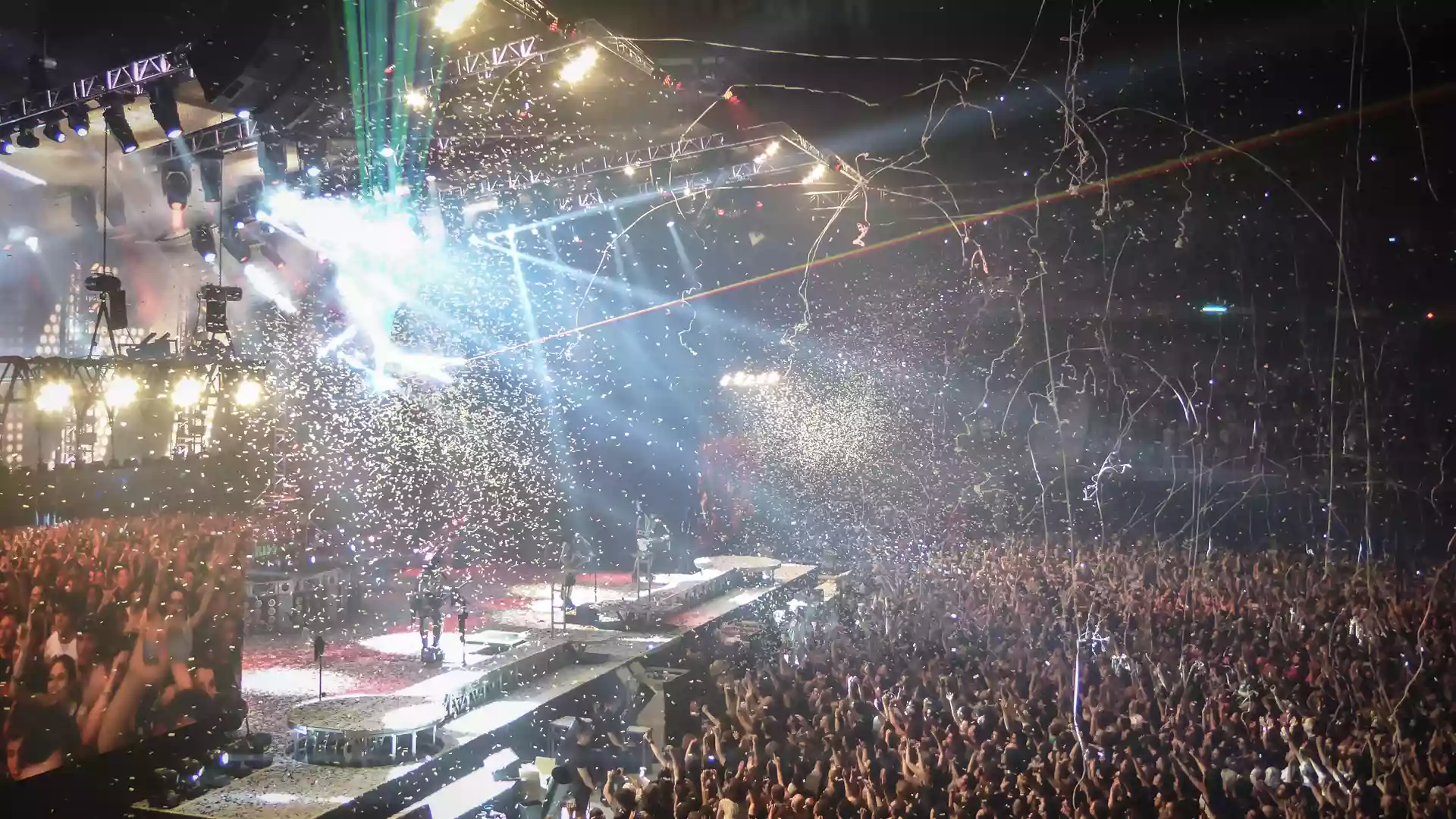
Garth Brooks opens new Friends In Low Places bar in Oklahoma
Published on 06/18/2026 at 02:14 | Editorial responsibility: Rafael Müller, Editor-in-Chief AD HOC NEWS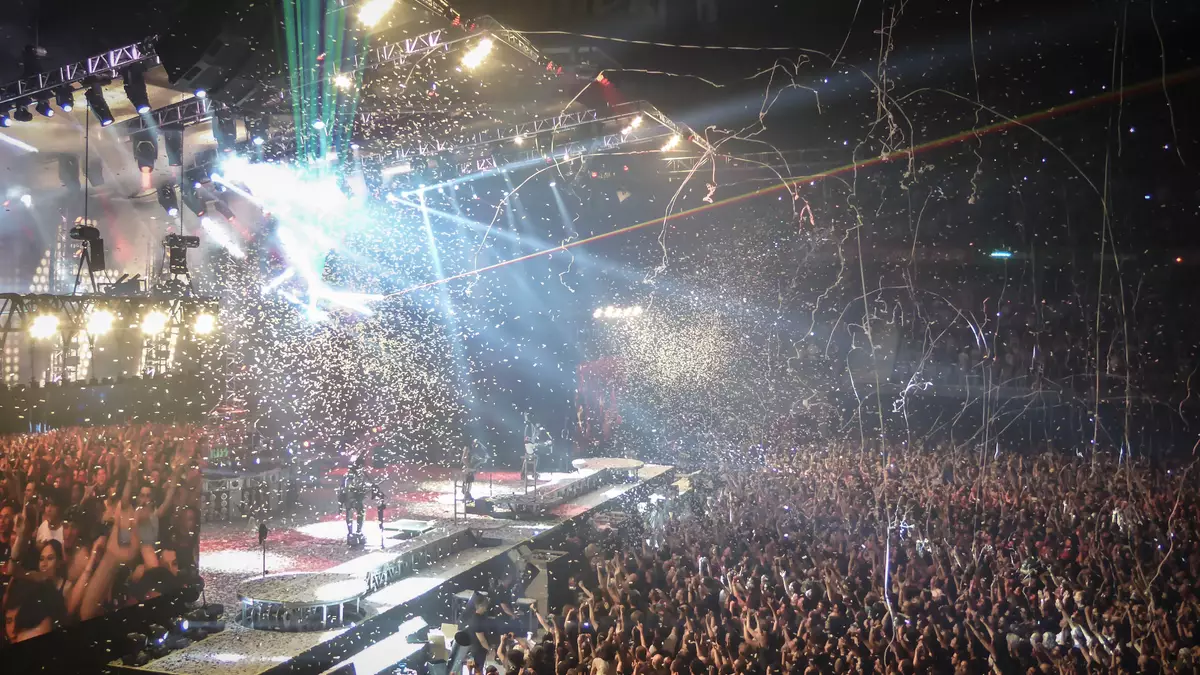
Garth Brooks is pushing his live brand far beyond traditional arenas. The country superstar has confirmed plans for a Friends In Low Places Bar & Honky-Tonk in Oklahoma, extending the honky-tonk concept he launched in downtown Nashville and underlining how strongly his name now shapes entire entertainment districts.
Brooks has spent the past years turning his catalog of hits and his stadium reputation into a broader live and lifestyle experience. His Friends In Low Places Bar & Honky-Tonk on Lower Broadway in Nashville became a magnet for fans looking for a direct connection to the man behind songs like Friends In Low Places, The Thunder Rolls and Unanswered Prayers. Now the artist is moving to replicate that model in Oklahoma, returning to the state where he grew up and first learned how a packed room can react to a powerful chorus.
Garth Brooks news, background and analyses
Discover more reports on Garth Brooks, from tour projects to catalog milestones and chart records, in the AD HOC NEWS archive.
More news on Garth Brooks at AD HOC NEWS ->Thursday focus: Brooks turns bar concepts into fan magnets
On a Thursday night in Nashville, the rhythm on Lower Broadway is often defined by cover bands blasting country standards through open doors. Since Garth Brooks opened his Friends In Low Places Bar & Honky-Tonk there, visitors have queued up to experience a venue that carries more of an arena feel than a simple bar atmosphere. Multi-level stages, modern light rigs and carefully curated house bands create an environment where fans feel close to Brooks even when he is on the road or at home.
The Oklahoma expansion leans directly on that experience. For the regional economy, a bar associated with one of the most successful country artists in history means guaranteed foot traffic, tourism interest and cross promotion with local hotels and restaurants. For Brooks, it is a way to keep his repertoire in daily rotation, particularly among younger visitors who may have discovered him through streaming playlists rather than 1990s radio. A honky-tonk carrying his name can constantly introduce core songs to new ears.
At the heart of the concept is the idea of turning a hit single into a physical space. Friends In Low Places is one of Brooks' signature songs, and the name immediately signals a certain kind of night out: communal singing, raised glasses and the feeling that everyone in the room knows the chorus. The bar design exploits that associative power. Stage placement, bar counters and balcony lines are all laid out to encourage crowd participation and the type of moments that fill social media feeds the next morning.
Brooks has long understood how to frame his image as an accessible superstar. In interviews across the past decade, he has often highlighted his respect for bar musicians and for the small stages that first offered him a microphone. A branded honky-tonk allows him to pay tribute to that heritage while operating in a firmly modern commercial context. Merchandise corners, digital screens and branded drinks link the physical space to his recorded catalog and his broader brand.
Local authorities in entertainment districts generally welcome such projects as long as they fit noise and crowd management rules. A venue tied to a global name can anchor an entire block. Other bars benefit from spillover crowds, while the anchor can set a tone in terms of security, booking standards and production quality. For Brooks' Oklahoma bar, city planners will be watching how the mix of tourists and residents develops, especially on weekend nights and around major sports events.
At the same time, the bar scene is competitive. Lower Broadway already hosts venues tied to big names in country music, and Oklahoma cities have their own long running honky-tonks and live rooms. Brooks and his team will need to develop booking policies and programming that go beyond pure name recognition. The mix of cover bands, emerging Nashville songwriters, Oklahoma artists and occasional high profile guests can make the difference between a branded tourist stop and a living part of the local music ecosystem.
Observers also point out that a bar is a long term investment, not a limited tour. While a stadium run has a clearly defined start and end, a honky-tonk is open night after night, and its reputation can change quickly. Clean restrooms, fair drink pricing and respectful door staff matter just as much as the artist's name above the entrance. In Nashville, the Brooks team has had to adjust staffing levels, traffic flows and stage schedules to keep wait times and frustration under control when crowds surge.
For fans, the bar concept offers a bridge between home listening and big ticket concerts. Not everyone can afford a top price stadium seat, particularly when travel and accommodation costs are added. A night in a Friends In Low Places bar, by contrast, is more accessible and flexible. Visitors can drop in for one set, spend a whole evening or simply walk through to soak up the atmosphere and take a few photos next to branding elements and memorabilia.
Brooks' track record suggests that he will keep refining the concept. During his long career, he has repeatedly paused major activities to reassess family priorities, technological shifts and market conditions. His return to recording and touring in the 2010s came with smart collaborations with streaming platforms, televised specials and elaborate stage productions. It is reasonable to expect the same level of iteration in his bar projects, even if details are adjusted quietly behind the scenes rather than in big announcements.
One central question concerns how deeply the Oklahoma bar will draw on local musical history beyond Brooks himself. Oklahoma has produced a string of notable country and red dirt acts, and there is a strong tradition of songwriting circles and bar stages in college towns and along regional highways. A Friends In Low Places bar that regularly books local acts and references regional history could embed itself more deeply than one that simply imports a Nashville template.
Fans who visit both the Nashville and Oklahoma venues will inevitably compare the two. The Nashville bar benefits from its location in a dense bar cluster where live music pours out of every doorway. Oklahoma offers more space and potentially different crowd rhythms. Design teams can use that space for larger dance floors, improved sound insulation or dedicated areas for families earlier in the evening.
Beyond the bar project, Garth Brooks' catalog remains a core part of modern country history. His albums from the 1990s, including No Fences, Ropin' The Wind, The Chase and Sevens, helped bring arena rock dynamics into country arrangements. Loud drums, electric guitars and sing along choruses brought a stadium feel to country radio, drawing in listeners who might previously have leaned toward mainstream rock. His decision to wear a headset microphone and run across huge stages became part of his visual signature.
Brooks has also displayed sharp instincts for narrative. Songs like The Thunder Rolls and Standing Outside The Fire use detailed storytelling, while ballads such as The Dance cross over to pop audiences through universal themes. That mixture made his live shows particularly dynamic. Heavy, story driven songs could sit alongside party anthems, allowing audiences to move from quiet concentration to collective celebration within a single set.
Over the years, his discography expanded into live albums, box sets and re-recordings. Brooks has been careful with digital distribution, at times choosing exclusive arrangements and controlled rollouts. That stance frustrated some listeners but underlined his desire to maintain a degree of autonomy in a landscape where many artists hand over catalog control to labels and platforms. The recent growth of his branded bars can be read as another step in this direction: a move to build infrastructures where he directly shapes the terms of engagement.
From an industry perspective, an artist of Brooks' stature investing in physical venues sends a signal. It shows that, despite the rise of streaming and virtual events, real rooms where musicians and audiences share air remain central to the business. Bars and honky-tonks are places where future touring artists earn their stripes, test songs and develop stagecraft. By adding his name to that world, Brooks is not just leveraging his brand but also giving literal and symbolic space to new talent.
The Oklahoma bar can also serve as a testing ground for technological integrations. Modern venues increasingly use data driven systems to manage guest flows, inventory and bookings. Digital signage can respond to crowd composition, while loyalty programs reward frequent visitors. A Friends In Low Places venue tied to a major artist could experiment with crossovers between in-bar experiences and streaming platforms, for example by highlighting live recordings of songs that have just been played on stage.
Another dimension is tourism marketing. Cities often coordinate with high profile residents or native sons when promoting themselves as destinations. A named bar is easy to feature in brochures, social media campaigns and conference bids. Hotel packages combining a bar visit with museum tickets, sports events or regional tours become more attractive when a world famous name anchors one element. For Oklahoma, that type of marketing could reinforce narratives about musical heritage and contemporary creativity.
Critics may raise concerns about commercialization. Not every fan welcomes the transition from intimate bar stages to heavily branded megaspaces. Some prefer rooms where the walls are bare, the drinks cheap and the music rough around the edges. Brooks' challenge is to balance professional polish with enough spontaneity to avoid the impression of a theme park. Open mic nights, songwriter rounds and occasional surprise sets by lesser known acts can preserve some of the raw energy that defined the bars where he once played as an unknown.
Staffing is another key factor. A venue bearing the name of a global star carries expectations about service. Bartenders, servers, security staff and sound engineers all become ambassadors for the brand. Training programs must emphasize not only efficiency but also a certain openness and warmth that aligns with the fan friendly image Brooks has cultivated over decades. When visitors tell stories about their night out, they are as likely to mention a friendly bartender or a quick response to a problem as the music itself.
Looking at the wider picture, Brooks' bar projects fit into a broader trend in which major artists invest in physical spaces. Across genres, acts have launched hotels, restaurants, galleries and venues. Some of these projects fade quickly; others develop their own loyal clientele. Longevity tends to depend on whether the venue offers real value independent of the star connection. An excellent bar that happens to bear a famous name has a better chance of surviving than a weak venue that relies solely on selfie seekers.
For younger artists and industry observers, the Friends In Low Places model offers a case study in brand extension. It demonstrates how a hit song can be transformed into a physical brand anchor, and how touring history can inform architectural and production decisions. Lighting angles, sight lines and acoustic treatments in the bar all benefit from decades of arena experience. At the same time, the bar operates on a different economic logic, with slower returns and a heavy dependence on local conditions.
As Oklahoma prepares for the full launch of the new bar, small details will matter. Signage leading visitors from parking areas, clear information about age restrictions and cover charges, and cooperation with ride share services can shape first impressions. On the music side, the opening weeks offer a chance to set programming expectations. A mix of respectful tributes to Brooks' catalog and spotlight moments for new voices can build a foundation that feels anchored in his legacy without getting stuck there.
Fans planning a visit can expect a dense visual environment. Memorabilia, photos and design elements referencing iconic stage costumes and album covers typically line the walls in such branded venues. Digital screens might show historic live footage, while sound systems thread in studio recordings between sets. For long time listeners, these details form a bridge back to the albums they bought decades ago. For newcomers, they function as an introduction to a catalog that is wider and deeper than a handful of radio staples.
In Nashville, social media posts from the Friends In Low Places bar have often highlighted sing along moments. Crowds gathered around the stage, hands raised, shouting along to choruses, mirror the energy of stadium shows on a smaller scale. When the Oklahoma venue reaches full operation, similar clips are likely to circulate. Those short videos serve as powerful marketing tools, converting digital impressions into future visits. They also keep Brooks anchored in online conversation even when he is not releasing new material or touring.
Industry figures will watch how strongly the Oklahoma bar draws visitors during weekdays compared with weekends. Tourist heavy venues often rely on Friday and Saturday peaks, but a healthy bar business needs steady flows across the week. The Thursday focus is particularly interesting: in many college towns and cities, Thursday already behaves like a weekend night, with students and workers starting their social schedules early. A strong Thursday lineup can capture that dynamic and turn the bar into a default choice for pre weekend outings.
From the perspective of chart history, Brooks approaches the bar business from a position of exceptional strength. His albums have sold tens of millions of copies, and he has repeatedly topped country and all genre charts with both studio and live releases. Those figures translate into instantaneous brand recognition. When travelers see his name on a building, they know they are dealing with one of the defining figures in modern country music, even if they are not active fans.
As with any high profile project, there is risk. Economic conditions, shifts in nightlife patterns and changes in tourism flows can all impact the venue. Yet Brooks has weathered multiple industry transformations over the decades, including the transition from physical sales to digital downloads and then to streaming. His entry into the bar sector suggests a belief that, whatever happens in the digital realm, people will still gather in rooms for live music and shared experiences.
In conversations about the future of music infrastructure, such artist driven venues occupy a special place. They can serve as laboratories for new approaches to fan engagement, from interactive displays to integrated ticketing systems that connect bar visitors with future tours. They can also become civic landmarks, referenced in directions, local culture guides and city branding. For Garth Brooks, whose songs often circle around community, memory and shared rituals, the Friends In Low Places bars are a logical extension of themes that have defined his work for more than three decades.
Whether visitors arrive from nearby neighborhoods or from distant states, the Oklahoma Friends In Low Places bar will offer them an entry point into a long running story. Every raised glass, every chorus sung in unison, every snapshot taken under a neon sign feeds back into the mythos of the artist. At the same time, each night stands on its own, shaped by the particular combination of musicians on stage, staff on duty and guests on the floor. That tension between legend and immediacy is where live music has always thrived.
As the doors open and the first bands plug in, Brooks once again demonstrates how a musician can stretch the borders of a career without losing sight of the core: songs, audiences and the electricity that runs between them when the lights go down. For Oklahoma, it means a new address on the map of live music. For the global country community, it offers another place where the stories that began on records and stadium stages can echo late into the night.
Key facts on Garth Brooks at a glance
- Act: Garth Brooks
- Genre: Country, country rock, country pop
- Origin: Tulsa, Oklahoma, USA
- Active since: Late 1980s
- Key works: No Fences, Ropin' The Wind, The Chase, Sevens
- Label: Various, including major Nashville based labels
- Charts / certifications: Multiple multi platinum albums and numerous country chart number ones
FAQ: Garth Brooks, Friends In Low Places and more
How does the Friends In Low Places bar concept reflect Garth Brooks' career?
The bar concept translates Brooks' stadium sized sing along energy into a more intimate setting. It draws on his history of blending rock dynamics with country storytelling and gives fans a space to experience that mix nightly, even when he is not on tour.
Where does Garth Brooks fit in modern country music?
Brooks stands as one of the genre's defining crossover figures. His 1990s albums helped bring arena scale production and pop aware hooks into country, influencing later stars who treat stadiums and global branding as natural extensions of their music.
What makes a Garth Brooks live experience special?
Energy and connection. Brooks is known for running across stages, using headset microphones and constantly engaging with the crowd. That approach turns audiences into active participants rather than passive observers, a feeling his Friends In Low Places bars aim to recreate on a smaller scale.
How can fans discover more Garth Brooks music?
Fans can dive into his classic 1990s albums, explore later comeback releases and watch official live recordings that capture the scale of his tours. Streaming platforms and video services provide curated playlists and concert clips that highlight different phases of his career.
Why is Oklahoma important in Garth Brooks' story?
Oklahoma is where Brooks grew up and absorbed the mix of country, rock and regional songwriting that shaped his style. Opening a Friends In Low Places bar there connects his current projects back to the landscapes and communities that framed his earliest musical experiences.
This article was created with a.i. assistance and reviewed by editors. All information without guarantee.