Iron Maiden close The Future Past World Tour with festival firepower
18.06.2026 - 01:25:34 | ad-hoc-news.de
Iron Maiden are proving once again how durable heavy metal can be. As the band bring their massive The Future Past World Tour into its final stretch with high-profile summer festival appearances in Europe, the British icons are celebrating more than four decades of stadium-sized riffs, elaborate stagecraft and an intergenerational fanbase that continues to grow.
Across the current tour, Iron Maiden have focused on a setlist that combines deep cuts from their 1986 album Somewhere in Time with standout tracks from 2021's Senjutsu. The concept underlines how the band connect different eras of their catalog onstage, playing to longtime followers and younger listeners discovering the group through streaming services and social media.
How Iron Maiden turned metal epics into arena anthems
Explore more background, chart stories and tour reactions around Iron Maiden on AD HOC NEWS.
More news on Iron Maiden at AD HOC NEWS ->Thursday spotlight: how Iron Maiden turn festival slots into metal theatre
On a Thursday during the European festival season, Iron Maiden often occupy prime late-evening slots, transforming open-air grounds into a sea of raised fists and chant-along choruses. The staging for The Future Past World Tour leans heavily on futuristic cityscapes, video projections and the band's long-serving mascot Eddie, who appears in multiple guises during the set.
For many ticket holders, these shows are not just another headlining performance but a kind of travelling museum of metal culture. Fans arrive in vintage tour shirts from the early 1980s, while younger visitors wear designs featuring more recent albums like Senjutsu or The Book of Souls. This visual dialogue between generations reflects how Iron Maiden's reputation has shifted from controversial outsiders to canonised legends.
The band's ability to command festival main stages owes much to their distinctive musical formula. Twin and sometimes triple guitar harmonies, galloping bass lines and Bruce Dickinson's operatic vocals create an instantly recognisable sound. Even listeners who might not own a full album can sing along to the hook-laden choruses of songs such as The Trooper or Fear of the Dark when they ring out across campgrounds and city parks.
As the sun sets on these shows, the production escalates. Pyrotechnics, moving stage elements and carefully timed lighting cues interact with the music, turning long songs into dynamic set pieces. The result feels closer to a heavy metal play than a conventional rock concert, underlining why festival promoters continue to book the band for top-line slots decades into their career.
Iron Maiden's role at major European festivals also has a ripple effect for other acts. Younger metal and hard rock bands placed lower on the bill benefit from the increased attention that comes with a legacy headliner. For many musicians, sharing a poster line with Iron Maiden remains a career milestone and a tangible sign that their genre still carries weight on big stages.
While the focus this summer is on live shows, the long tail of the band's studio work remains crucial. Streaming numbers for classic albums surge around festival appearances, as setlists send curious or nostalgic fans back to the studio originals. Services regularly highlight curated Iron Maiden playlists, and algorithm-driven recommendations push adjacent artists to listeners who dive into the catalog.
This feedback loop between live and digital consumption helps explain why Iron Maiden can mount large-scale tours without the need for constant new releases. When a tour like The Future Past World Tour concludes, the streaming and physical sales figures often show a noticeable bump, strengthening the band's negotiating position for future festival cycles and potential residencies.
Behind the scenes, the logistics of a modern Iron Maiden tour rival those of a theatre production or a small travelling festival. Crew members oversee stage construction, lighting rigs, sound systems and special effects, all designed to fit into varying festival infrastructures. Load-in and load-out schedules are tightly choreographed to ensure that the band can deliver a full visual experience even when they are one of several headliners over a weekend.
Fans who catch the band in this final stretch of the tour witness a stage show refined over months on the road. Songs from Somewhere in Time benefit from updated production values, revealing details in arrangements that earlier tours could not emphasise as strongly. Meanwhile, material from Senjutsu sits comfortably alongside the classics, showing how Iron Maiden integrate new compositions into their established narrative onstage.
The audience response supports the idea that Iron Maiden's catalog still resonates strongly in 2026. Social media feeds from festival weekends fill with clips of enormous crowd sing-alongs, costume tributes to Eddie and shots of elaborate backdrops. These fan posts function as grassroots marketing, reaching users far beyond the immediate concert-going community.
Even for those watching from afar, these visuals reinforce the perception that Iron Maiden remain one of the most reliably spectacular live bands in rock. The imagery of giant stage props and animated backdrops stands out in a crowded social media scroll, helping the band compete with younger acts who might rely more on LED screens and minimalistic staging.
Merchandise also plays a central role in how Iron Maiden frame this touring cycle. Limited edition tour shirts, posters and accessories specific to The Future Past World Tour become collector's items, especially at festival dates where supplies can sell out early. Some fans plan their arrival times around merchandise opening hours, illustrating how the band operate not just as performers but as curators of a broader visual and cultural brand.
The strength of Iron Maiden's brand extends into physical media as well. Vinyl reissues of key albums remain popular, and box sets documenting live tours or specific eras continue to appear. These releases provide deeper context for the songs featured in current setlists, offering alternate versions, demos or extended artwork that reward dedicated listening and collecting.
While festival headlines focus on crowd sizes and spectacular visuals, the musicianship at the core of Iron Maiden's appeal should not be overlooked. The band members have honed their interplay over decades, allowing them to navigate intricate arrangements and sudden tempo changes in real time. This technical control gives the shows a sense of precision that anchors even the most flamboyant visual elements.
Bruce Dickinson's role as frontman exemplifies this balance between theatricality and musical discipline. He does not just sing but also narrates, introducing songs with short stories or reflections that frame each piece as part of a larger journey. His stage movements, from running the length of the platform to interacting with Eddie, are calibrated around vocal cues, ensuring that dramatic gestures never undermine the delivery of key lines.
Guitarists Dave Murray, Adrian Smith and Janick Gers share responsibilities in ways that keep arrangements both faithful and fresh. Signature solos retain their recognizable shapes, but small variations, bends and phrasing choices keep performances alive from night to night. These subtle differences reward fans who follow multiple shows on a tour, whether in person or through fan-shot recordings online.
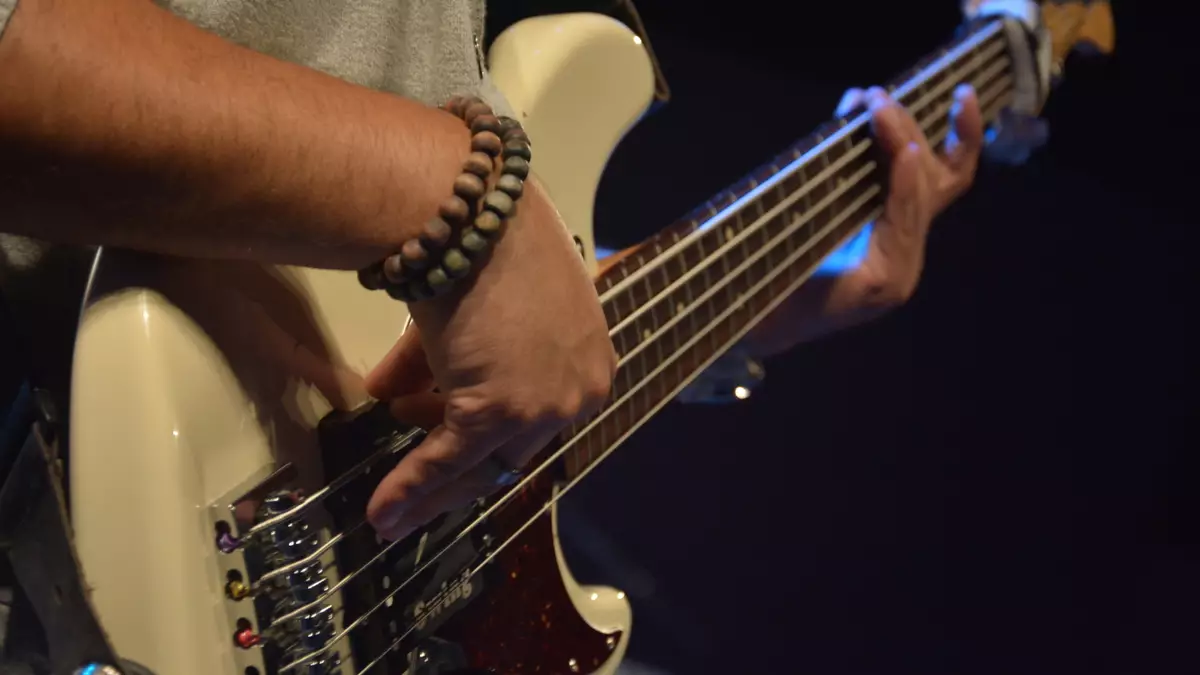
Bassist and primary songwriter Steve Harris remains the musical anchor. His characteristic galloping bass style underpins many of the band's most famous tracks, driving the songs forward and locking tightly with the drums. On the current tour, his tone cuts through the festival mix clearly, giving even casual listeners a clear sense of the rhythmic engine behind the twin-guitar harmonies.
Drummer Nicko McBrain's role is just as crucial. His approach combines power with intricate cymbal work and carefully placed fills, ensuring that long compositions never feel static. Observant fans often point to his ability to maintain energy deep into lengthy sets as one of the reasons Iron Maiden can sustain evening-long performances without losing momentum.
Outside the festival stages, Iron Maiden's influence can be traced through countless younger bands who cite them as a formative inspiration. Elements such as narrative-driven lyrics, conceptual album structures and elaborate artwork have become signifiers of a particular tradition in metal that the band helped define. Even artists working in adjacent genres, from progressive rock to certain strands of alternative metal, draw on this aesthetic legacy.
This influence shows up not only in sound but also in business approaches. Iron Maiden's emphasis on strong visual identities, consistent touring and direct engagement with fans has become a blueprint for acts who prefer to build long-term careers rather than chasing short-term viral trends. The loyalty of the Iron Maiden fanbase demonstrates the potential rewards of this strategy.
In streaming-era discourse, some observers question where legacy acts like Iron Maiden fit alongside algorithm-friendly pop singles and rapidly rotating playlists. The band's continued success suggests that there remains an appetite for long-form listening and cohesive album narratives, even if discovery paths now run through playlists and social clips instead of only radio and record stores.
When people encounter Iron Maiden for the first time via a festival stream or shared video clip, they often enter through the most immediate songs. Over time, many listeners then move outward into the more labyrinthine parts of the catalog, from epics with multiple tempo changes to deep cuts tied to specific historical or literary themes. This layered entry path mirrors how earlier generations discovered the band through live shows and borrowed LPs.
As this touring cycle winds down, attention will inevitably turn to what comes next. History suggests that Iron Maiden plan their moves carefully, alternating between studio work, themed tours and archival projects. Observers will watch future announcements closely for hints about new material, further catalog explorations or special one-off shows celebrating particular album anniversaries.
For now, the focus remains firmly on the remaining festival dates and the communities that form around them. Travelling fans share transport, accommodation and planning tips in online groups, turning each show into a social event that stretches far beyond the designated performance time. These networks ensure that Iron Maiden's presence is felt in cities long before and after the band step onstage.
Local economies also benefit from these visits. Hotels, restaurants, bars and transport services experience surges in demand around each show, especially when concerts align with larger festival weekends. For some towns and cities, a major Iron Maiden performance becomes one of the key cultural events of the season, occupying the same civic space as sports finals or national celebrations.
From a cultural history perspective, Iron Maiden's current victories at festivals close a loop that began when metal acts first fought for recognition on mixed-genre bills. Where once heavy metal bands struggled for respectable slots, they now anchor weekends that draw broad audiences across age groups. The enduring pull of songs written decades ago, refreshed by dynamic staging and high production values, suggests that this status will not disappear quickly.
For music fans watching industry trends, the band's success offers a counterpoint to narratives that claim rock is fading from mainstream consciousness. While radio formats and chart metrics may have shifted, large-scale live events and global fan communities show a different picture in which heritage acts and newer artists coexist in a constantly evolving ecosystem.
Iron Maiden's long view on their career allows them to navigate this environment with steady confidence. They do not chase every technological trend, but they adopt tools that amplify their strengths, from high-definition live recordings to carefully curated social media content that captures highlights of shows without trying to mimic short-form creators.
As fans stream live clips, purchase tour merchandise and revisit classic albums, they participate in a cycle that keeps Iron Maiden firmly present in contemporary music conversations. Decades after their first breakout, the band still command attention, proving that classic heavy metal can thrive alongside newer genres when artists invest in craft, narrative and spectacle.
With The Future Past World Tour nearing its closing chapter, each remaining festival appearance feels charged with a sense of moment. Longtime followers cherish the chance to hear rarely played songs in a fully realised production, while newcomers experience for the first time what older relatives and online commentators have described for years: a heavy metal show that functions as both a concert and a communal ritual.
Whether the next step is a fresh batch of songs, an archival release or a different thematic tour, Iron Maiden's foundation looks solid. Their ongoing ability to fill fields and arenas, spark online conversation and inspire younger musicians testifies to a legacy still in motion rather than fixed in the past. As the last chords of this touring cycle echo across festival grounds, fans already anticipate where the band will guide them next.
Iron Maiden at a glance
- Act: Iron Maiden
- Genre: Heavy metal, hard rock
- Origin: London, England
- Active since: 1975
- Key works: The Number of the Beast, Powerslave, Somewhere in Time, Seventh Son of a Seventh Son, Brave New World, Senjutsu
- Label: associated over the years with labels including EMI and Parlophone
- Charts / certifications: multiple Top 10 albums and numerous gold and platinum certifications in key markets such as the UK and Germany
FAQ: Iron Maiden and The Future Past World Tour
How does The Future Past World Tour showcase Iron Maiden's history?
The tour combines songs from the classic 1986 album Somewhere in Time with material from 2021's Senjutsu, creating a setlist that bridges landmarks from the band's mid-80s peak and their current studio work. Visual elements onstage pick up themes from both eras, helping audiences follow this narrative.
Why are Iron Maiden considered one of the leading heavy metal bands?
Iron Maiden helped define the sound and aesthetics of the New Wave of British Heavy Metal. Their combination of twin-guitar harmonies, distinctive bass work, theatrical stage shows and narrative-driven lyrics influenced generations of rock and metal acts, while sustained touring built a global fan community.
What are good starting points in Iron Maiden's catalog for new listeners?
Many listeners begin with albums such as The Number of the Beast, Powerslave or Seventh Son of a Seventh Son, which contain some of the band's most recognisable songs and fully developed concepts. Newer fans who discover the group through recent tours often add Brave New World and Senjutsu to understand how the sound has evolved.
This article was created with a.i. assistance and reviewed by editors. All information without guarantee.