
New era for Halsey as fourth studio chapter unfolds
Veröffentlicht am: 02.06.2026 um 19:48 Uhr | Redaktionelle Verantwortung: Rafael Müller, Chefredakteur AD HOC NEWS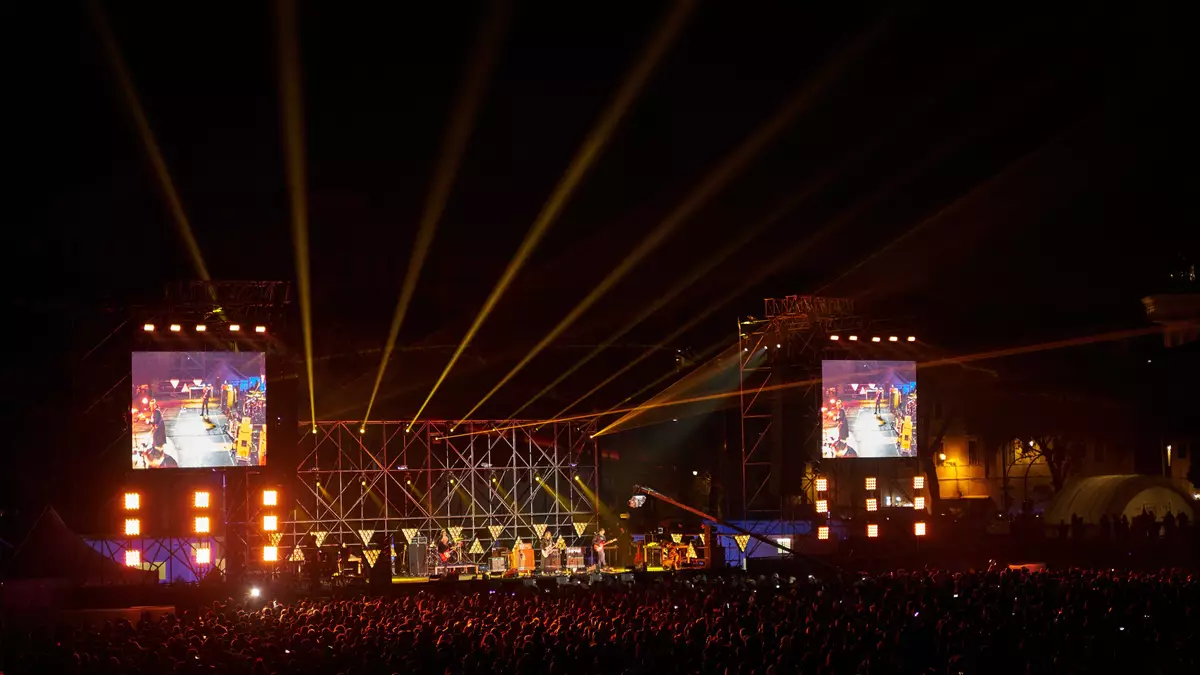
Halsey stands at a rare crossroads, with a catalog of platinum singles, a reputation for fearless storytelling, and a growing legacy that stretches from alt-pop radio to arena stages across the United States.
From debut breakthrough to streaming powerhouse
When Halsey emerged in the mid-2010s, the New Jersey-born singer-songwriter quickly moved from Tumblr cult favorite to mainstream alt-pop force. Early singles around the time of the debut album signaled an artist interested in widescreen concepts, intimate confession, and dense electronic production, placing her firmly in conversation with the streaming generation while still nodding to classic pop structure.
That debut full-length, Badlands, framed Halsey as a world-builder. The record took cues from synth-pop, electronic rock, and confessional indie, pairing cinematic soundscapes with lyrics about fractured relationships, mental strain, and self-reinvention. In the United States, the album connected powerfully with young listeners navigating social media pressure and shifting expectations, and it laid the foundation for her continued chart presence on Billboard’s key rankings.
As the 2010s progressed, Halsey’s singles grew bigger and more omnipresent. Collaborations with dance producers and pop-rap acts helped cement her as a reliable hitmaker who could jump across formats, from alternative playlists to Top 40 radio. By the time follow-up projects arrived, she had already built a distinct aesthetic: pastel dystopia, anxious romance, and a refusal to separate vulnerability from spectacle.
- Halsey’s debut album Badlands introduced a cinematic alt-pop world
- Follow-up releases such as Hopeless Fountain Kingdom expanded her conceptual storytelling
- The 2020 album Manic highlighted a rawer, more genre-blended approach
- If I Can’t Have Love, I Want Power pushed further into rock and industrial textures
Halsey’s evolving role in US pop culture
Across these projects, Halsey has become more than a charting artist; she has turned into a visible presence in US pop culture, moving between hit singles, late-night television, and highly produced music videos. American audiences have watched her grow from an online-era narrative voice into a performer with a fully developed visual world, complete with distinct eras that echo the album cycles of earlier rock and pop icons.
In mainstream terms, part of Halsey’s impact comes from the way her songs dissolve genre lines. Tracks that reach US radio often mix trap drums, rock guitars, and synth-pop hooks, bringing together listeners who might otherwise live in separate playlist ecosystems. This boundary-blurring has become a hallmark of 2010s and 2020s pop, and Halsey sits alongside other crossover figures who redefined what constitutes a pop star in the streaming era.
Another crucial piece of her relevance lies in public advocacy. Halsey has used interviews, social media posts, and award-show appearances to address topics like reproductive rights, mental health, and LGBTQ+ visibility. For many young US fans, she represents an artist who treats the stage and the timeline as connected spaces, where art, identity, and politics intersect rather than stay neatly separated.
From New Jersey roots to global exposure
Halsey’s story begins far from arena catwalks, in the New Jersey suburbs where she grew up navigating a complex identity and a deepening connection to music. That background, frequently referenced in early interviews, helped shape a narrative of someone who uses songwriting as both escape and documentation. Before she was headlining major venues, she built a following online through self-released songs and a presence on platforms where confessional storytelling thrives.
The transition from internet buzz to major-label releases marked a key turning point. Her early EP work presented a voice that felt conversational yet theatrical, and that tension became a defining thread when the debut studio album arrived. Critics in the US noted how her lyrics captured the feeling of young adulthood in a digital age: the anxiety of constant visibility, the urge to curate one’s own image, and the desire to step outside those pressures entirely.
As her audience expanded beyond early adopters, Halsey’s personal story became part of the mythology around the project. Fans gravitated toward narratives of underdog perseverance, while the music industry saw in her a proof of concept for artists who emerge from online communities rather than traditional talent pipelines. This pathway, now more common, was still solidifying when she broke through, placing her near the front of a broader shift in how pop stars are discovered and developed.
Genre-blending albums and standout singles
Across four studio albums, Halsey has built a body of work that resists easy categorization. Badlands established an atmospheric, dystopian pop world, while Hopeless Fountain Kingdom leaned into a more narrative-driven concept, weaving in themes of doomed romance and escape. The latter album showcased a sharper, more overtly pop-facing sound, with uptempo singles and radio-friendly hooks that still carried her lyrical complexity.
With Manic, she reshaped her musical palette again. Instead of one overarching concept, the record functioned like an open diary, jumping between styles: confessional ballads, alt-rock edges, and songs that flirted with country and R&B inflections. Many listeners in the US treated it as a defining statement on the emotional turbulence of late-2010s adulthood, with streaming numbers reflecting how fans replayed particular tracks as personal touchstones rather than merely chasing one big radio hit.
The fourth studio album, If I Can’t Have Love, I Want Power, pushed into darker territory. Produced in collaboration with rock-leaning creators, it embraced industrial textures, pounding drums, and arrangements that nodded to 1990s alt-rock and goth-inflected pop. The album’s release cycle included striking visuals centered on pregnancy, bodily autonomy, and power, positioning Halsey as an artist willing to take conceptual risks with both sound and image.
Alongside these albums, stand-alone singles and high-profile collaborations have kept Halsey firmly on US charts and playlists. Tracks that pair her with EDM producers, hip-hop artists, and fellow pop singers underscore how her voice and writing can adapt to multiple contexts without losing their core character. In many cases, these collaborations introduced her to new segments of the US audience, expanding her reach beyond fans who follow album narratives start to finish.
Certifications, charts, and critical response
Commercially, Halsey’s work has translated into strong showings on Billboard’s major charts and significant certifications from US industry bodies. While specific numbers shift over time, the broad pattern is clear: hit singles have climbed into the upper reaches of the Billboard Hot 100, and multiple albums have posted substantial first-week activity on the Billboard 200. Those performances place her among the most visible alt-pop voices of the last decade in the US market.
Certification databases such as those maintained by the RIAA track multiple Halsey releases crossing important sales and streaming thresholds, including gold and platinum levels for both singles and full-length projects. For US listeners, these milestones are shorthand for ubiquity; they signal songs that have moved from fan favorite to broader cultural soundtrack, heard in cars, malls, gyms, and television spots as well as on personal playlists.
Critically, the reception has evolved in tandem with the music. Early coverage often framed Halsey as a millennial or Gen Z spokesperson, praising her knack for vivid imagery while sometimes questioning the density of her concepts. As the catalog has grown, reviewers at major US outlets have increasingly highlighted the way her albums document emotional states first and genre categories second, noting how projects like Manic and If I Can’t Have Love, I Want Power capture an artist willing to risk unevenness in pursuit of honesty.
Beyond formal reviews, think pieces and profiles have examined the role that artists like Halsey play in conversations about authenticity, branding, and vulnerability. In an era when pop stars are expected to function as both performers and public intellectuals, she has become a key example of someone who attempts to reconcile those demands through a blend of careful curation and strategic oversharing.
Influence, identity, and fan connection
Halsey’s influence in US music culture extends beyond chart metrics. For many fans, especially those navigating questions of identity, mental health, and belonging, her songs and interviews provide a language for experiences that might otherwise feel isolating. She has frequently discussed topics like bipolar disorder and bisexuality in a way that foregrounds complexity rather than easy slogans, and that nuance has resonated with listeners who recognize parts of their own stories in hers.
Live performances reinforce that bond. Whether in theaters, arenas, or festival slots, Halsey typically stages shows that blend high-production visuals with moments of stripped-down intimacy. These contrasts mirror the dynamic in her recorded work, where a densely layered track can sit alongside an almost acoustic confession. For US fans, attending a Halsey show often feels less like watching a remote celebrity and more like entering the physical version of the worlds her albums describe.
Her influence also shows up in the next wave of artists. Younger singer-songwriters in the American alternative and pop scenes often cite Halsey as an example of how to navigate major-label structures while maintaining a sense of authorship. The willingness to push into rock and industrial textures on later albums, and to foreground reproductive autonomy in recent visuals, has helped normalize a bolder, more politically engaged approach within mainstream pop.
Questions fans ask about Halsey
How did Halsey first break through in the US?
Halsey first gained traction through online platforms and a self-started presence that led to early EP releases, then converted that buzz into a major-label debut with Badlands, which connected strongly with young US listeners drawn to her cinematic alt-pop sound.
What makes Halsey’s albums stand out from other pop records?
Her albums often function as immersive worlds rather than simple collections of singles, blending electronic, rock, and singer-songwriter elements while maintaining a strong narrative thread, from the dystopian vibe of Badlands to the intimate patchwork of Manic and the darker, industrial textures of If I Can’t Have Love, I Want Power.
Why is Halsey considered important to today’s US pop landscape?
Halsey occupies a key space in contemporary US pop because she unites streaming-era genre fluidity with outspoken advocacy on issues like mental health and reproductive rights, offering fans both big-tent hits and a sense of identification that goes beyond chart performance.
Halsey across platforms and playlists
Beyond albums and tours, Halsey’s presence across streaming services and social platforms keeps her woven into the daily media habits of US listeners, from curated playlists to viral clips.
Halsey – moods, reactions and trends across social media:
Further reading and context on Halsey
More coverage of Halsey at AD HOC NEWS and in other media:
Read more about Halsey on the web ->Search all Halsey stories on AD HOC NEWS ->


