
New era for Massive Attack and their enduring shadow
Veröffentlicht am: 02.06.2026 um 20:46 Uhr | Redaktionelle Verantwortung: Rafael Müller, Chefredakteur AD HOC NEWS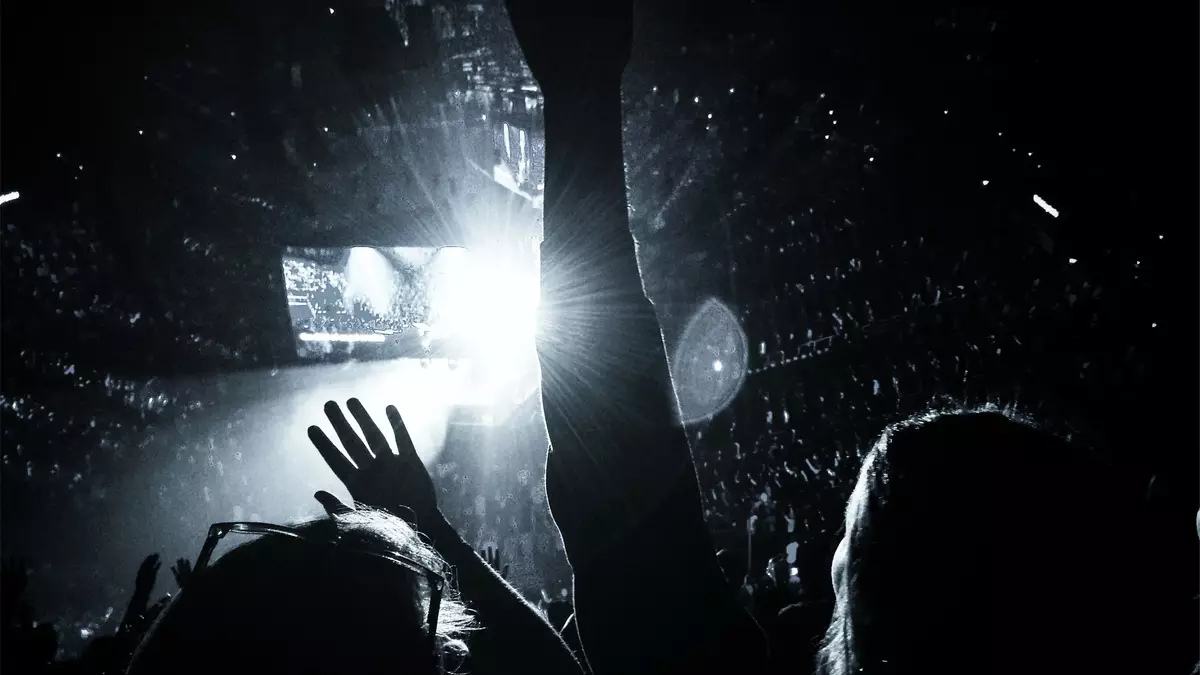
Massive Attack helped define the sound of the 1990s from Bristol basements to US college-radio playlists, and their shadow still stretches over modern pop, hip-hop, and electronic music today.
Live mystique of Massive Attack onstage
For many US fans, the entry point into Massive Attack is the stage rather than the studio, with the group long known for immersive, politically charged shows that blur the line between concert and multimedia installation.
Although the band tours selectively, their name on a bill still signals a highly curated experience built around sub-bass, stark lighting, and scrolling visual commentary that has influenced festival production far beyond the trip-hop scene.
In the United States, Massive Attack have historically gravitated toward theaters and mid-sized arenas where their sound design and visuals can fully envelop a seated or tightly packed audience rather than competing with open-air distractions.
That approach helped position the group not just as an act to see live but as a benchmark for how electronic-driven music can translate to the stage without losing subtlety.
- Massive Attack emphasize sound design and lighting over spectacle for its own sake.
- Their live sets often rework songs like Teardrop and Angel into darker, slower forms.
- Guest vocalists and rotating lineups keep setlists fluid from tour to tour.
- Visual backdrops reference global politics, surveillance, and media saturation.
Even when the group pauses large-scale touring, live recordings, fan-shared footage, and the sheer lore around their performances keep the concert side of their identity central to how they are perceived in the US alternative and electronic scenes.
Why Massive Attack still matter to US listeners
More than three decades after their debut, Massive Attack continue to matter because they occupy a rare intersection between underground credibility and mainstream recognition, especially among US listeners who came of age in the late 1990s and early 2000s.
Television shows, films, and commercials prominently used tracks from albums like Mezzanine and Protection, turning songs such as Teardrop and Safe from Harm into atmospheric shorthand for tension, melancholy, and nocturnal city life.
That visibility meant that Massive Attack became an entry point into trip-hop and downtempo for listeners who might never have encountered club culture in Bristol or London but found the sound through US pop culture instead.
At the same time, the group resisted many of the trappings that can date an act, keeping public appearances sparse, imagery stark, and political messaging blunt but not tied to a single news cycle.
As a result, their catalog is treated less like a time capsule of 1990s electronica and more like a permanent reference library for producers, film composers, and indie bands who want to explore hushed vocals over shadowy beats.
In the streaming era, playlists that blur genre boundaries have given Massive Attack a new context, where songs from Blue Lines can sit next to contemporary R&B, cloud-rap, or ambient tracks without feeling out of place.
For US fans, that has reinforced the sense that the group is less a nostalgic act and more a continuing part of the conversation about how pop and rock can absorb electronic textures without losing emotional weight.
From Bristol beginnings to global influence
Massive Attack emerged from Bristol's sound system and graffiti culture in the late 1980s, a scene shaped by dub, hip-hop, punk, and reggae that also produced associated acts and collaborators.
The group grew out of the Wild Bunch collective, with core members eventually consolidating into a studio-focused project determined to translate the feel of late-night DJ sets into recorded songs.
Rather than adopting a band format in the traditional rock sense, Massive Attack functioned more as a fluid collective around producers and multi-instrumentalists, inviting vocalists and instrumental collaborators track by track.
This approach gave their early singles and debut album an almost cinematic quality, where each song felt like a short film set in a different corner of the same imagined city.
As word spread beyond Bristol, critics in the UK and, later, in the United States began using the term trip-hop to describe a wave of acts combining head-nod hip-hop beats with atmospheric textures and soulful vocals.
While the label never fully captured the breadth of what Massive Attack were doing, it did help US audiences locate the group within a broader late-1990s trend that also included acts like Portishead and Tricky.
College-radio stations and early internet communities in the US played a major role in introducing this sound outside major coastal cities, treating Massive Attack as part of an underground lineage that connected dub, post-punk, and emerging electronic styles.
That organic growth meant that by the time the group were featured on higher-profile soundtracks and television themes, there was already a dedicated US fanbase ready to champion deeper cuts.
Albums like Mezzanine reshaped mood-driven pop
Among Massive Attack's body of work, Mezzanine is often singled out by US critics as a turning point, a record that blended rock guitars, sub-bass, and spectral vocals into something both heavy and hypnotic.
Its singles, particularly Teardrop, reached far beyond specialist audiences, aided by their use in television dramas and films that made the track instantly recognizable even to casual listeners.
Earlier releases like Blue Lines and Protection laid the groundwork, combining hip-hop rhythms, soul-inflected vocals, and dub production techniques in a way that felt both intimate and widescreen.
On Blue Lines, tracks move between rapper-led narratives, sung choruses, and instrumental interludes, mirroring the shifting dynamics of a DJ set and giving the album a continuous flow that listeners still cite as a key part of its appeal.
Protection refined that template, leaning into more jazz and soul textures while allowing guest vocalists to shape the personality of individual songs, an approach that has influenced countless producer-led projects since.
Later releases such as 100th Window and a succession of EPs and singles pushed further into austere, digitally sculpted soundscapes, with rhythms that draw from both club music and experimental electronic styles.
Across all these projects, the group have maintained a focus on texture and atmosphere, often letting a bassline, reverb tail, or drum pattern carry the emotional weight more than a conventional chorus might.
That emphasis has made Massive Attack particularly appealing to film and television music supervisors, who frequently turn to the group when they need a track that can intensify a scene without overwhelming it.
In turn, that visibility has kept album cuts alive in the streaming age, as new listeners trace their favorite soundtrack moments back to full releases.
Legacy across rock, hip-hop, and electronic scenes
Massive Attack's legacy in the US reaches far beyond trip-hop, touching indie rock, alternative R&B, and even the more atmospheric corners of metal and post-rock.
Bands and producers cite the group's use of negative space, slow tempos, and low-end pressure as a template for how to make heavy music without relying on volume or distortion.
In hip-hop, their influence surfaces in the moodier ends of the spectrum, where rappers and beatmakers build entire projects around nocturnal ambience and introspective lyricism rather than radio-friendly hooks.
Electronic and dance acts, especially those working in bass music, downtempo, and experimental pop, have drawn on Massive Attack's willingness to borrow freely from dub, soul, and post-punk while still arriving at a coherent signature sound.
US publications have consistently placed albums like Blue Lines and Mezzanine high in lists of influential records from the 1990s and 2000s, solidifying the group's status as a touchstone for subsequent generations.
Critical discussion often highlights not only the music but also the project's visual and political identity, including stage designs and artwork that foreground themes of surveillance, war, climate crisis, and media manipulation.
Those elements have resonated strongly with US audiences during periods of political tension, adding an extra layer of urgency to songs that might otherwise be heard purely as mood pieces.
At festivals and in club culture, DJs frequently weave Massive Attack tracks into sets as a way to shift energy, signaling a turn toward more introspective moments before building back into peak-time intensity.
Streaming data, while always shifting, tends to show enduring interest in core tracks across platforms, suggesting that discovery continues through algorithmic playlists and recommendation engines as much as through traditional word of mouth.
Questions US fans often ask about Massive Attack
What style of music do Massive Attack play?
Massive Attack are most closely associated with trip-hop, a term that emerged in the early 1990s to describe a blend of hip-hop beats, dub-influenced bass, and atmospheric textures.
Their catalog also draws on soul, post-punk, ambient, and electronic music, which is why fans from rock, pop, and dance backgrounds all find entry points into their work.
Which Massive Attack album should a new listener start with?
Many US listeners start with Mezzanine because of its darker, guitar-inflected sound and the familiarity of songs like Teardrop and Angel.
Others prefer to begin with Blue Lines, which captures the group closer to their Bristol sound system roots, or Protection, which emphasizes soulful vocals and smoother textures.
Are Massive Attack still active as a band?
Massive Attack continue to be regarded as an active project, with members involved in studio work, collaborations, and visual art even in periods without major touring or new full-length albums.
The group's influence remains visible in contemporary pop, electronic, and hip-hop, where artists frequently cite their records as inspiration and playlists keep their classic tracks in circulation.
Streaming Massive Attack and social media buzz
Massive Attack's catalog lives comfortably on streaming platforms, where listeners move from classic albums to remixes, collaborations, and live recordings while social media keeps debate alive over favorite tracks, guest vocalists, and the best sequence to experience their work.
Massive Attack – moods, reactions and trends across social media:
Further Massive Attack coverage and official site
More coverage of Massive Attack at AD HOC NEWS and in other media:
Read more about Massive Attack on the web ->Search all Massive Attack stories on AD HOC NEWS ->


