New era for The Cure as live legacy grows again
Veröffentlicht am: 02.06.2026 um 19:03 Uhr | Redaktionelle Verantwortung: Rafael Müller, Chefredakteur AD HOC NEWS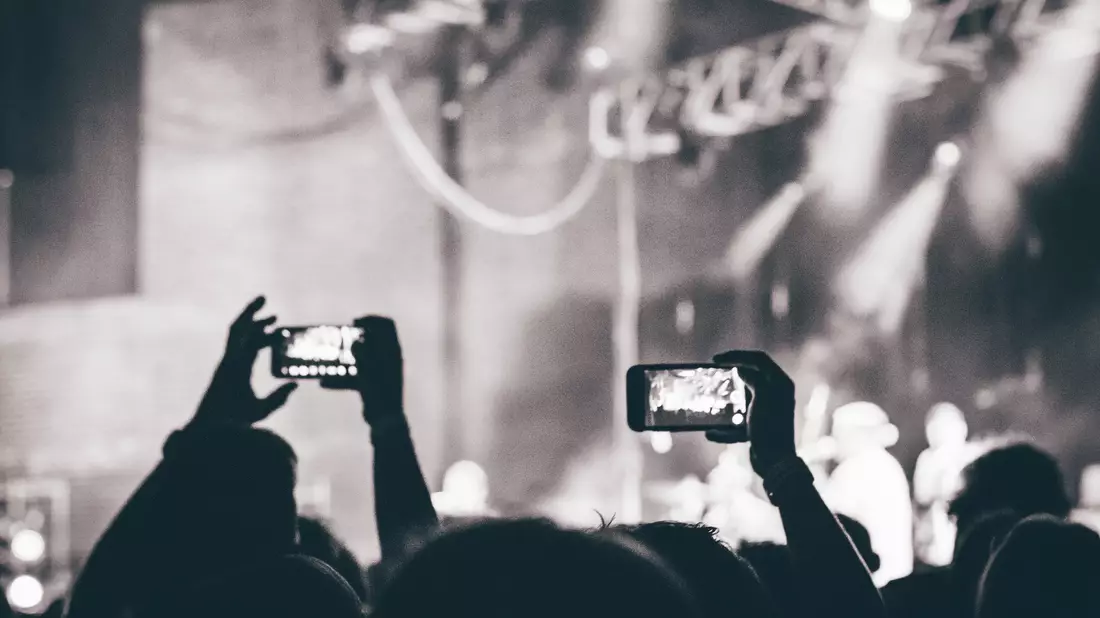
When The Cure step under the lights and Robert Smith leans into those first echoing guitar notes, decades of goth-pop history seem to gather in the room at once. The band’s slow-burning rise from post-punk outsiders to global headliners has turned their concerts and catalog into a living archive of alternative rock history.
The Cure and the long shadow of live performance
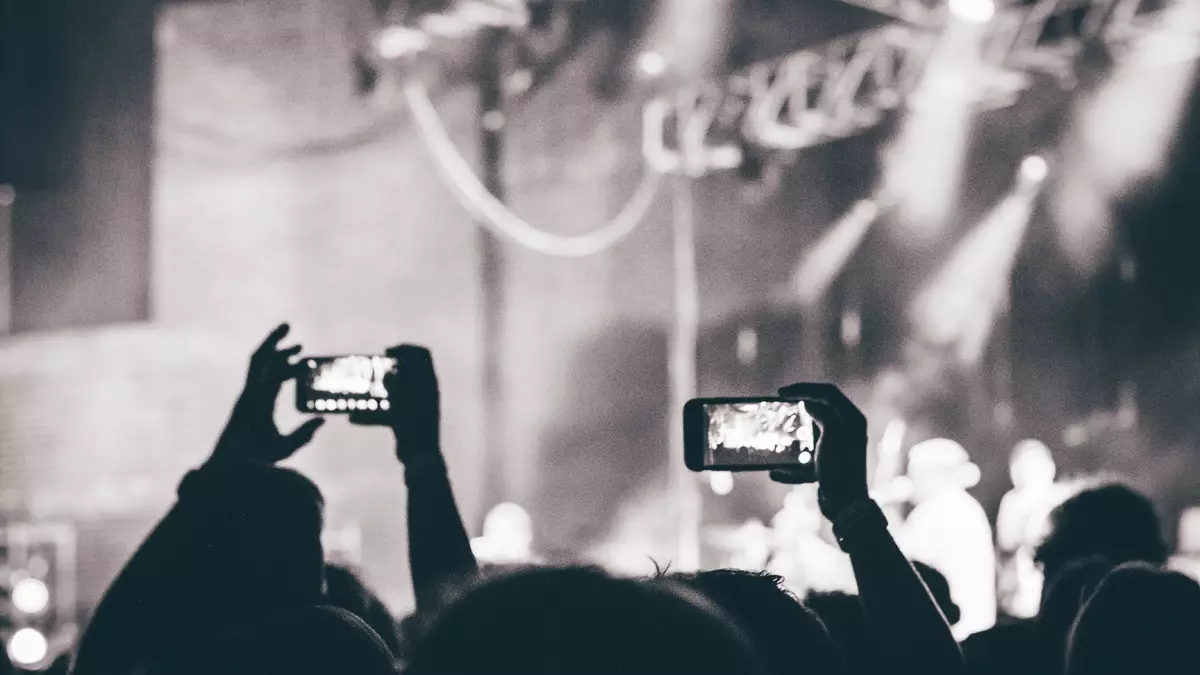
The Cure have built one of rock's most obsessive live followings, especially among US fans who treat their marathon sets as emotional pilgrimages. Across arenas and festivals, the band is known for shows that stretch past the three-hour mark, pulling deep cuts from early goth landmarks alongside crossover radio hits.
As outlets like Rolling Stone and Billboard have noted, The Cure's reputation on stage was solidified in the late 1980s and early 1990s, when the group shifted from cult status to arena-ready alternative icons. Their panoramic setlists, moody lighting and willingness to reinvent song arrangements have made their concerts feel closer to cinematic experiences than straightforward rock shows.
Even in the streaming age, The Cure's live mystique continues to renew itself with each new generation discovering the band. US fans share bootleg recordings, trade setlists and flock to online forums to dissect how a song like Disintegration lands differently in a stadium versus a dark theater. That culture of close listening has turned concert nights into communal rites of passage.
At the center of it all is Robert Smith's singular stage presence. His smeared lipstick, teased hair and unhurried pacing across the stage remain instantly recognizable visual markers, but it is the emotional precision of his singing that gives these live shows their enduring power. Songs about heartbreak, anxiety and fleeting joy gain new weight when delivered in real time, backed by a band that has grown into one of rock's most telepathic ensembles.
- Marathon-length sets that often exceed three hours
- Setlists spanning early post-punk to mainstream hits
- Moody, cinematic lighting that matches the music's tension
- A devoted fan culture that treats each show as an event
Whether revisiting 1980s deep cuts or letting stadium crowds sing along to pop anthems, The Cure's modern live identity is as much about emotional stamina as it is about nostalgia. Fans come expecting to be wrung out and sent home with the sense that they have relived entire chapters of their lives in one night.
Why The Cure still matter to US rock listeners
The Cure occupy a rare position in US rock culture: they are simultaneously a gateway band for young listeners entering post-punk and goth, and a legacy act with a catalog vast enough to sustain deep lifelong fandom. For American audiences raised on alternative radio and MTV, the band is shorthand for a specific emotional palette that blends melancholy with catharsis.
Critically, The Cure's continued relevance extends beyond nostalgia tours and best-of playlists. Their music threads through contemporary indie rock, emo, dream pop and even certain strands of pop-punk, as newer artists cite records like Seventeen Seconds, Faith and Pornography as foundational influences. By the time Disintegration arrived at the end of the 1980s, the band had already become a benchmark for how moody, introspective music could cross over to mainstream audiences.
For US listeners, songs such as Just Like Heaven, Lovesong and Pictures of You remain staples of both alternative radio and streaming-era chill playlists. These tracks have become emotional shorthand: shorthand for first heartbreaks, late-night drives and solitary headphone sessions. The Cure's enduring value lies in how their songs function at once as deeply personal confessional pieces and as widely shared cultural language.
That dual role has allowed The Cure to stay active in the broader conversation about rock and pop history. When outlets like Pitchfork and NPR Music assemble lists of the most important albums of the 1980s and 1990s, The Cure routinely appear, not simply as historical curiosities but as artists whose records still feel urgent and alive. Their catalog withstands reissue campaigns, remasters and deluxe editions, continuing to attract new listeners who treat the original albums as discovery, not museum pieces.
There is also a generational handoff happening in real time. Parents who discovered The Cure on college radio now take their own children to shows, introducing them to the band through playlists that juxtapose early, brittle post-punk tracks with later, lush pop ballads. That kind of cross-generational engagement keeps the music embedded in living memory rather than relegated to retro nights.
From Crawley beginnings to global stages
The Cure's story begins in Crawley, England, where a group of school friends started playing together in the mid-1970s. Those early incarnations of the band, operating under names like The Obelisk and Easy Cure, gestured toward post-punk and art rock at a time when punk's first wave was burning brightly in the UK. The lineups shifted, but Robert Smith emerged quickly as the central songwriter and creative axis.
By the time The Cure released their debut studio album Three Imaginary Boys in 1979, their sound was already starting to diverge from straightforward punk into something more atmospheric and introspective. That album's angular guitars and stark production marked them as part of the post-punk vanguard, but the band's fascination with mood and texture hinted at deeper experimentation to come.
Throughout the early 1980s, The Cure moved through a trilogy of increasingly dark and immersive albums: Seventeen Seconds (1980), Faith (1981) and Pornography (1982). These records deepened the band's association with the emerging goth scene, even as Smith himself often resisted the strict genre label. The music from this era is spare and spacious, favoring skeletal basslines, echoing guitar lines and drums that feel ritualistic rather than purely propulsive.
The commercial breakthrough in the United States began in earnest with the mid-1980s albums that folded brighter melodies into the band's signature gloom. The Head on the Door (1985) and Kiss Me, Kiss Me, Kiss Me (1987) produced songs that were equally at home on college radio and mainstream outlets. Tracks like In Between Days, Close to Me and Just Like Heaven introduced American listeners to a version of The Cure that could be playful, romantic and even danceable without sacrificing emotional complexity.
By the time Disintegration arrived in 1989, The Cure had become fixtures on US charts and MTV, yet they leaned into an expansive, slow-burning sound rather than chasing quick pop hooks. The album's long, layered tracks and introspective lyrics provided a counterpoint to the emerging alternative rock boom that would soon sweep through American radio. For many fans, this was the definitive statement of The Cure's artistic ambitions.
The 1990s saw the band weather lineup changes and shifting musical landscapes while continuing to score hits and fill arenas. Albums like Wish extended their run of chart success, while subsequent releases kept the core aesthetic intact even as grunge, Britpop and later indie rock movements redefined the alternative category around them. Through it all, The Cure maintained a distinctive identity grounded in Smith's songwriting and the band's textural approach.
Signature Cure sound and landmark records
The Cure's sound is instantly recognizable but has evolved significantly across more than four decades. At its core lies the interplay between shimmering, chorus-soaked guitars, melodic bass lines and drum patterns that favor tension-building repetition over flashy fills. Over this instrumental bed, Robert Smith's voice threads through with a tremulous, emotive quality that can pivot from fragile to fierce within a single verse.
In the band's early post-punk and goth period, minimalism was the guiding principle. Albums such as Seventeen Seconds and Faith rely heavily on negative space, letting sparse guitar figures echo against cavernous reverb. The lyrics fixate on isolation, uncertainty and existential dread, giving these records a stark, wintery feel that has proven remarkably durable. Many contemporary bands in the darkwave and post-punk revival scenes reference these albums as blueprints.
The mid-1980s ushered in a more colorful and eclectic era. On The Head on the Door, The Cure experimented with brighter chord progressions, diverse instrumentation and concise song structures that flirted with pop sensibilities. In Between Days pairs a driving, upbeat arrangement with lyrics that hint at loss and emotional turbulence, illustrating one of the band's core strengths: the ability to smuggle complicated feelings into songs that feel instantly singable.
Kiss Me, Kiss Me, Kiss Me expanded the palette even further, sprawling across styles from brass-laced pop to slow-burning ballads. This era cemented The Cure's status as an album band that also happened to be remarkably adept at singles, building a body of work that rewarded full-album listening as much as it did cherry-picking individual hits.
Disintegration, often cited by critics and fans as The Cure's masterpiece, refines everything that came before into a cohesive, atmospheric statement. Long tracks like Plainsong and Pictures of You unfold gradually, layering synths, guitars and percussion into towering arrangements that mirror the emotional weight of the lyrics. The record's careful pacing and immersive production have made it a touchstone for artists in genres as varied as shoegaze, dream pop and post-rock.
Later records, including Wish, further showcased the band's ability to balance introspective epics with direct, hook-driven songs. Friday I am in Love, with its instantly memorable chorus and major-key exuberance, became one of The Cure's most recognizable singles worldwide, proving that the band could deliver straightforward joy without abandoning their complex emotional landscape.
Throughout these eras, production choices have remained central to The Cure's identity. The heavy use of modulation effects on guitars, the emphasis on melodic bass playing and the careful layering of synthesizers and keyboards all contribute to a sound that is lush without being cluttered. The band has consistently favored tones and textures that evoke mood over purely technical flash.
How The Cure reshaped alternative culture
The Cure's impact extends well beyond their own discography. In the United States, the band helped define what alternative and college rock could look and sound like during the 1980s, offering a model of introspective, emotionally rich songwriting that did not fit neatly into mainstream rock or pop categories. Their success demonstrated that music steeped in melancholy and ambiguity could command arenas and major radio rotation.
Visually, Robert Smith's look became the template for generations of goth and alternative kids: tousled black hair, smeared makeup and dark, baggy clothing that signaled a refusal to conform to conventional rock-star polish. That image filtered through US high schools, college campuses and club scenes, shaping the aesthetics of countless local bands and fans who recognized themselves in The Cure's blend of vulnerability and theatricality.
Musically, the band's influence can be heard across genres. In the 1990s and 2000s, emo and post-hardcore bands drew inspiration from The Cure's emphasis on emotional intensity and guitar-driven atmosphere. Indie rock outfits borrowed their use of chiming guitars and bittersweet melodies, while dream pop and shoegaze acts cited Disintegration as a crucial reference point for their own layered, immersive soundscapes.
Critics have routinely recognized The Cure's contributions. Publications such as Rolling Stone, NME and The Guardian have placed albums like Disintegration and The Head on the Door high on lists of the greatest records of all time, underscoring the band's enduring critical esteem. This recognition matters for US audiences because it frames The Cure not just as a nostalgia act, but as a pillar of the broader alternative canon.
In terms of commercial impact, The Cure's presence on US charts and their touring strength underscore the depth of their connection with American fans. Their singles and albums have appeared on the Billboard Hot 100 and Billboard 200 in multiple eras, while their tours have repeatedly filled arenas and amphitheaters across the country. That longevity is rare even among legacy acts, and it speaks to a fan base willing to follow the band through stylistic shifts and long gaps between releases.
The Cure have also become part of the emotional lexicon of film and television. Their songs have appeared in movies, series soundtracks and key scenes that aim to capture the complexities of adolescence and early adulthood. When a character in a coming-of-age story stares out a rain-streaked window as a Cure song plays in the background, it taps into a cultural shorthand that US viewers instantly understand.
Fan culture around The Cure remains intense and intergenerational. Longtime devotees trade memories of early shows and rare vinyl pressings, while younger fans discover the band through playlists, social media and clips shared from recent concerts. The result is a community that keeps the band's legacy active, not as static reverence but as something to be argued over, reinterpreted and reexperienced.
Questions fans often ask about The Cure
How did The Cure first break through in the United States?
The Cure's US breakthrough unfolded gradually across the 1980s as college radio and alternative stations began championing their early singles. Albums like The Head on the Door and Kiss Me, Kiss Me, Kiss Me produced songs that crossed over to mainstream rock and pop outlets, while MTV exposure helped make tracks such as Just Like Heaven familiar to a wide audience. By the end of the decade, the band had built enough momentum to support large US tours and significant chart placements.
Why is the album Disintegration considered so important?
Disintegration is widely regarded as The Cure's artistic peak because it synthesizes the band's strengths into a cohesive, immersive whole. The album combines the brooding atmosphere of their early goth period with the melodic directness of their mid-1980s work, resulting in long, layered songs that feel both intimate and monumental. Critics praise the record for its detailed production, emotional depth and consistent mood, and many artists across genres cite it as a formative influence.
What makes The Cure's live shows different from other bands?
The Cure have a reputation for marathon sets, rotating setlists and emotional intensity that sets their concerts apart from more tightly scripted shows. Rather than relying solely on greatest hits, the band pulls from across their catalog, including deep cuts from early albums and atmospheric epics from later releases. The combination of carefully crafted lighting, dynamic arrangements and Robert Smith's singular stage presence creates a sense that each show is a unique narrative journey, which is why fans are willing to travel long distances and attend multiple dates on a tour.
Social and streaming portals for The Cure
Even with their deep roots in the album era, The Cure's music reaches new audiences every day through video platforms and streaming services.
The Cure – moods, reactions and trends across social media:
Further reading on The Cure and beyond
More coverage of The Cure at AD HOC NEWS and in other media:
Read more about The Cure on the web ->Search all The Cure stories on AD HOC NEWS ->
Disclaimer zu unseren Artikeln: Keine Anlageberatung, keine Kauf- oder Verkaufsempfehlung. Angaben zu Kursen, Unternehmen und Märkten ohne Gewähr; Änderungen jederzeit möglich. Börsengeschäfte können zu hohen Verlusten führen. Unsere Beiträge werden ganz oder teilweise automatisiert mit Unterstützung von AI erstellt und geprüft.