
New era on stage for Pearl Jam fans
Veröffentlicht am: 02.06.2026 um 17:53 Uhr | Redaktionelle Verantwortung: Rafael Müller, Chefredakteur AD HOC NEWS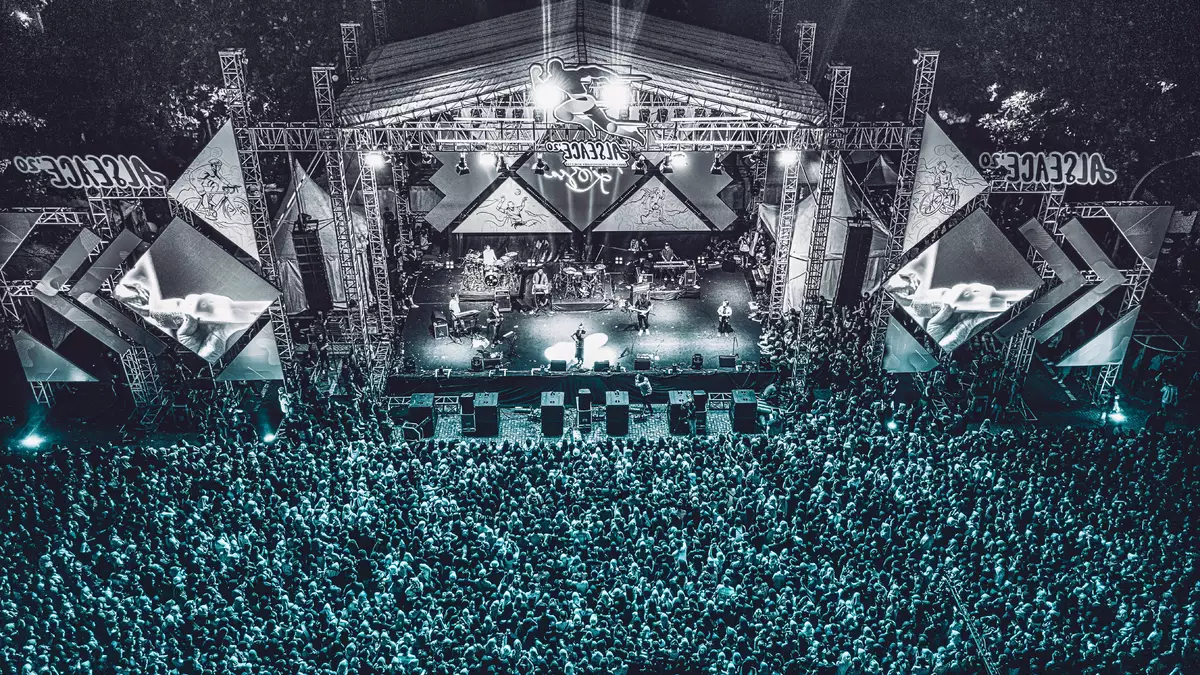
Pearl Jam built its legend onstage, turning grunge-era urgency into marathon sets, evolving setlists, and a catalog that still hits hard in US arenas and amphitheaters. Three decades on, the Seattle band continues to treat every night like a conversation with fans, letting deep cuts and hits collide in real time.
Pearl Jam as a live force in 2026
Across the United States, Pearl Jam's reputation as a live act has become as important as its studio discography. The Seattle group routinely stretches shows well past the two-hour mark, drawing on a deep songbook that moves from explosive openers to hushed encores. Fans turn up not only for the hits but also because no two nights feel the same.
As outlets such as Rolling Stone and Billboard have noted over the years, the band embraced improvisation and variable setlists early in its career, a contrast to more scripted mainstream rock tours. That approach helped Pearl Jam build a culture of repeat attendance, with fans traveling city to city to chase rare songs or particular album runs.
US venues have become a second home for the band, from major arenas to historic theaters and outdoor sheds. The group has played everything from club-sized benefit shows to stadium-level appearances at places like Wrigley Field in Chicago, building a live mythology that rivals classic rock road warriors.
Even when the band leans heavily on classics, its concerts tend to track where Pearl Jam is artistically at that moment. Newer songs from albums like Lightning Bolt and Gigaton are woven into sets alongside early anthems, reinforcing the idea that this is a living, evolving catalog rather than a frozen greatest-hits revue.
- Variable setlists keep each show unique for hardcore fans
- Marathon-length performances highlight the band's stamina
- Deep cuts mix with staples like Alive and Jeremy
- US arenas and outdoor venues remain central to their identity
Why Pearl Jam still matters to US rock
For many listeners in the US, Pearl Jam serves as a bridge between the alternative rock explosion of the early 1990s and the more fragmented rock landscape of the streaming era. The group is one of the few acts from the grunge class that still moves albums, summons strong radio interest, and draws multi-generational crowds.
According to coverage in outlets such as NPR Music and The New York Times, the band has consistently used its platform to foreground both musical integrity and social engagement. That combination helps Pearl Jam stand out in a crowded field of legacy acts, especially for younger fans discovering the band through playlists or classic rock radio.
US audiences also connect with the way the band has grown older in public. Rather than pretending to be eternally adolescent, Pearl Jam has let themes of aging, responsibility, and community shape later albums. Songs like those on Lightning Bolt and Gigaton often wrestle with parenthood, climate change, and political disillusionment, topics that resonate strongly with longtime listeners navigating similar stages of life.
In the broader pop ecosystem, Pearl Jam's ongoing relevance offers a counterpoint to single-driven, social media–dominated cycles. Albums still arrive as cohesive statements, often with vinyl releases and artwork that reward full-album listening. For US rock fans who prize that format, the band remains a benchmark.
From Seattle clubs to global stages
The story of Pearl Jam begins in Seattle at the turn of the 1990s, when guitarist Stone Gossard and bassist Jeff Ament were searching for a new project following the end of Mother Love Bone. Their demos eventually reached San Diego–based vocalist Eddie Vedder, whose urgent, melodic voice helped crystalize the sound that would define the band.
As rock histories from sources like Rolling Stone and NME recount, the group coalesced with the addition of guitarist Mike McCready and drummer Dave Krusen. Their early shows around Seattle captured the spark of the local scene, which also included Nirvana, Soundgarden, and Alice In Chains. Pearl Jam's blend of classic-rock riffing and punk-inflected intensity distinguished them within that cohort.
Their 1991 debut album Ten, released on Epic Records, turned the band from a regional favorite into a national force. Driven by tracks like Alive, Even Flow, and Jeremy, the album slowly climbed the charts, eventually becoming a multi-Platinum seller in the United States. The RIAA has recognized Ten with high-level certifications, underscoring its commercial impact in the US market.
Rather than simply replicate the formula, Pearl Jam quickly followed with Vs. and Vitalogy, albums that pushed into rougher, more experimental terrain while still debuting strongly on the Billboard 200. Their trajectory in the first half of the 1990s is frequently cited by critics as an example of how a band can balance mainstream success with artistic restlessness.
At the same time, the group became known for high-profile disputes with parts of the music industry, most notably a battle with Ticketmaster over service fees. That conflict, covered extensively by publications such as The Washington Post and CNN at the time, reinforced Pearl Jam's image as a band willing to challenge entrenched systems on behalf of fans, particularly in the US concert market.
Albums, songs and the Pearl Jam sound
Musically, Pearl Jam draws from a wide spectrum of rock history, combining the weight of classic rock with punk urgency and a singer-songwriter's attention to melody. Early songs like Black and Alive emphasize long, emotive vocal lines over dynamic guitar arrangements, while harder-edged tracks tap into a more aggressive, riff-driven energy.
Over time, the band experimented with different textures and producers. Albums such as No Code and Yield introduced more spacious arrangements and exploratory songwriting, with acoustic passages sitting alongside bursts of distortion. Producers and engineers who have worked with the band helped capture a sound that feels both raw and expansive, an aesthetic that many later alternative and indie acts would reference.
In the 2000s and 2010s, records like Riot Act, the self-titled Pearl Jam album, Backspacer, and Lightning Bolt reaffirmed the band's commitment to the album format. Singles from these releases, including songs like Just Breathe and The Fixer, showed that Pearl Jam could age into more reflective material without losing its bite.
More recent work, including the album Gigaton, has emphasized atmospheric production and politically charged lyrics. Critics at outlets like Pitchfork and Variety have noted how the band continues to experiment with song structures and textures, integrating elements such as layered guitars and rhythmic shifts while keeping Vedder's baritone at the center.
Throughout this evolution, certain hallmarks remain: McCready's expressive lead guitar, Gossard's sturdy rhythm work, Ament's melodic bass lines, and drumming that balances power with swing. Vedder's voice, capable of shifting from a low, conversational murmur to a full-throated roar, ties together the band's many phases.
Setlists often function as miniature surveys of this catalog. A given night might move from a slow-burn ballad into the explosive energy of early singles, then into mid-tempo rockers from later albums. That range appeals to US listeners who came of age with different eras of the band, making shows feel like multi-decade reunions.
From chart success to alt-rock legacy
Pearl Jam's commercial achievements are significant by any measure. In the United States, multiple albums have topped or placed near the top of the Billboard 200, and the RIAA has awarded multi-Platinum certifications to several releases, including Ten and its immediate successors. According to Billboard's historical data, the band's early 1990s run helped redefine what alternative rock could look like on mainstream charts.
Beyond sales, the group has had enduring influence on rock radio and festival lineups. Their songs remain staples on US alternative and classic rock stations, and the band has headlined major festivals and curated its own events, aligning with other acts from across the rock spectrum. This visibility keeps Pearl Jam in front of younger audiences who might first encounter them through festival playlists or radio rotations.
Critically, the band has weathered the shift from print-era gatekeepers to digital-era coverage. Publications such as Rolling Stone, Spin, and Pitchfork have reassessed the catalog over time, often highlighting how albums once considered transitional now read as adventurous. That ongoing critical conversation reinforces the band's position not just as a nostalgic favorite but as an evolving artistic presence.
Pearl Jam's activism has also shaped its legacy, particularly in the United States. The band has supported voter registration drives, climate initiatives, and local causes in cities it visits, turning tours into opportunities for civic engagement. These efforts, documented in mainstream outlets and the band's own communications, contribute to a perception of Pearl Jam as a socially engaged institution rather than a purely entertainment-focused act.
Fan culture further cements this legacy. Longtime followers trade recordings and setlists, dissect lyrics, and track the debut of new songs in concert. The community that has grown up around the band, especially in US cities with long histories of shows, gives Pearl Jam a cultural footprint that extends beyond record sales or streaming numbers.
Questions fans often ask about Pearl Jam
How did Pearl Jam emerge from the Seattle scene?
Pearl Jam emerged when Stone Gossard and Jeff Ament, veterans of Seattle's pre-grunge underground, began writing new material after Mother Love Bone ended. Their collaboration with Eddie Vedder, Mike McCready, and early drummers solidified a lineup that captured the intensity of the local scene while drawing on classic rock influences.
Which Pearl Jam albums are essential starting points?
For many US listeners, Ten is the natural starting point, since it contains foundational tracks such as Alive, Jeremy, and Black. From there, albums like Vs., Vitalogy, No Code, Yield, and later works including Riot Act, Backspacer, Lightning Bolt, and Gigaton show how the band has continued to evolve.
Why are Pearl Jam concerts so respected among US rock fans?
The band's live reputation rests on marathon sets, unpredictable setlists, and a strong connection with audiences. US fans know that a given night can feature deep cuts, full-album sequences, or unexpected covers alongside hits, which makes shows feel like unique events rather than repeatable spectacles.
Social and streaming access for Pearl Jam
For fans in the United States and beyond, streaming and social platforms make it easy to trace Pearl Jam's evolution from the Ten era to more recent releases, while live clips and fan-shot footage capture how the band continues to reinterpret its catalog onstage.
Pearl Jam – moods, reactions and trends across social media:
Further reading on Pearl Jam
Readers who want to explore Pearl Jam in more depth can find extensive discography information, tour history, and official announcements through the band's own channels, alongside long-form features from major US music outlets that have followed the group since the early 1990s.
More coverage of Pearl Jam at AD HOC NEWS and in other media:
Read more about Pearl Jam on the web ->Search all Pearl Jam stories on AD HOC NEWS ->


