
New era on the horizon for The Killers
Veröffentlicht am: 02.06.2026 um 21:06 Uhr | Redaktionelle Verantwortung: Rafael Müller, Chefredakteur AD HOC NEWS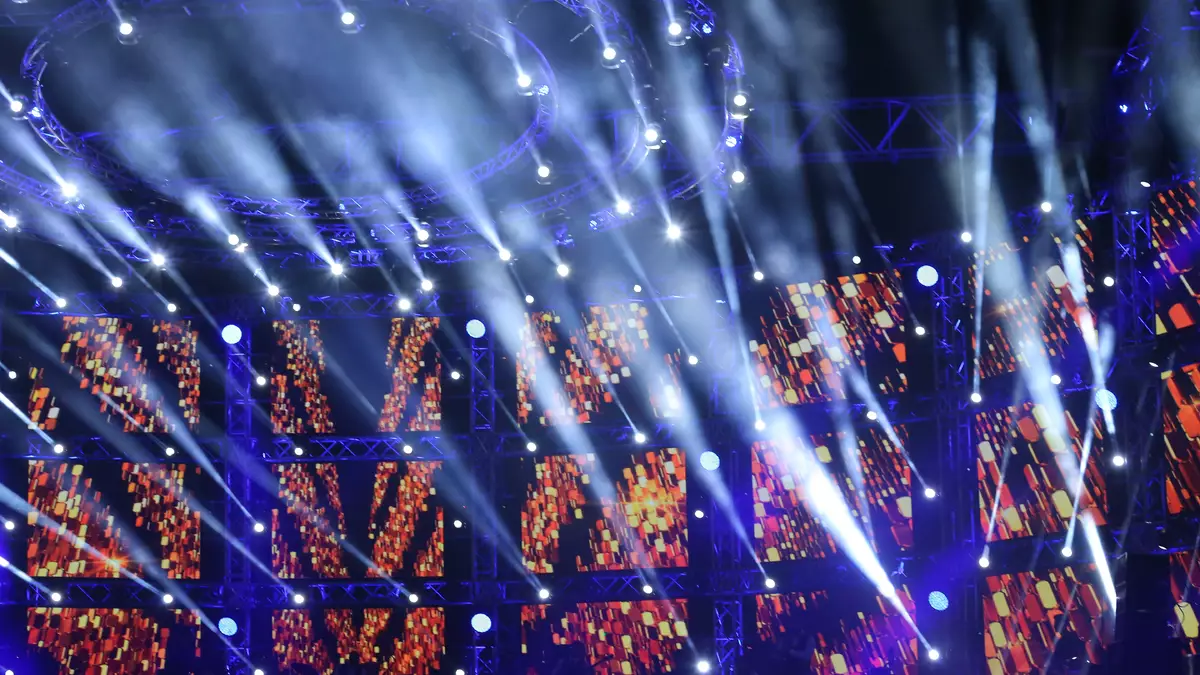
Stadium lights, confetti cannons, and the opening synth pulse of Mr. Brightside have turned The Killers into one of the defining rock exports of 21st?century Las Vegas, and the group now stands at a pivotal moment as they look toward the next phase of their career.
From Las Vegas clubs to global arenas
The Killers formed in Las Vegas, Nevada in 2001, when vocalist and keyboardist Brandon Flowers joined forces with guitarist Dave Keuning, later rounding out the lineup with bassist Mark Stoermer and drummer Ronnie Vannucci Jr.
Drawing inspiration from British post?punk and new wave, including bands like New Order and The Smiths, the group built its reputation in the early 2000s on the Las Vegas club circuit before breaking out internationally.
According to interviews cited by Rolling Stone, Flowers has described the band as outsiders in the early days, borrowing elements from UK indie rock while coming from a city better known for casino showrooms than for guitar bands.
Their breakthrough came quickly: the debut album Hot Fuss, released in 2004 on Island Records, introduced fans to a sleek, synth?streaked take on rock that felt equally at home on alt?rock radio and in packed dance clubs.
As Billboard notes, The Killers were part of a wave of early?2000s guitar groups, alongside acts like The Strokes and Franz Ferdinand, who helped pull mainstream rock away from nu?metal toward a more stylish, post?punk?inflected sound.
The band’s visual identity, rooted in Flowers’ sharp suits and Vegas?showman charisma, broadened their appeal beyond indie circles and helped them cut a distinctive figure on MTV and late?night television in the United States.
Over the next two decades, The Killers evolved from an ambitious regional act into a globe?spanning arena band whose catalog now stretches across multiple stylistic eras, from neon?lit dance rock to heartland?leaning anthems.
The Killers and their place in US rock
Within the American rock landscape, The Killers occupy an unusual space: a Las Vegas?born band that built much of its early mystique out of UK press coverage and British festival stages before fully locking in with US audiences.
According to Billboard, the band has consistently charted in the United States, even as their sound shifted from the tightly wound dance?rock of Hot Fuss to the Springsteen?inspired heartland sweep of Sam’s Town and later records.
NPR Music has highlighted how the group’s best?known songs function like emotional tentpoles for a generation of listeners, with choruses designed for collective sing?alongs rather than introspective headphone listening.
This approach has turned The Killers into a festival mainstay in the US and abroad, where their sets often climax with a run of hits including Somebody Told Me, All These Things That I’ve Done, and the omnipresent Mr. Brightside.
Critics frequently point out that, while many of their 2000s peers have either gone on hiatus or retreated to the indie margins, The Killers remain a reliable arena draw capable of headlining major events and sustaining cross?generational interest.
The band’s stature in the US is also tied to their ability to move between alternative and mainstream formats, picking up play on rock, pop, and adult?alternative stations while maintaining a dedicated live following.
Early years, demos, and the Hot Fuss breakthrough
Before Hot Fuss exploded internationally, The Killers cut their teeth on early demos and local shows that captured just how quickly their sound was coming together.
As reported by NME and later summarized by outlets like Pitchfork, an early demo of Mr. Brightside circulated in 2002 and already contained the skeletal structure of what would become their signature song.
The band signed with the UK?based indie imprint Lizard King Records, which released the first singles and helped build hype in Britain before the group landed a broader deal with Island Records for the album.
Hot Fuss, produced in part with Jeff Saltzman, arrived in 2004 and immediately established the band’s synth?driven, dramatic rock template.
As Rolling Stone recounts, the record pairs tightly wound guitar and keyboard lines with Flowers’ theatrical vocal delivery on tracks like Jenny Was a Friend of Mine, Smile Like You Mean It, and Mr. Brightside.
The album’s sleek production and chorus?heavy writing aligned perfectly with the early?2000s appetite for danceable rock, a trend also driven by acts such as Franz Ferdinand and Interpol.
On the US charts, Hot Fuss became a slow?burn success, reflecting months of touring and word?of?mouth rather than a single, explosive debut week.
As of 2026, the record is widely regarded as one of the defining rock debuts of its era, frequently appearing on retrospective lists of the best albums of the 2000s from outlets including Rolling Stone and NME.
Albums that reshaped their sound and image
After the success of Hot Fuss, The Killers pivoted sharply with their second album, Sam’s Town, released in 2006.
According to coverage in The Guardian and Rolling Stone, the record marked a deliberate move toward a more anthemic, Americana?inflected sound influenced by Bruce Springsteen and Tom Petty.
The album features songs like When You Were Young and Read My Mind, which lean into big choruses and wide?screen storytelling, trading some of the debut’s nightclub tension for open?road grandeur.
Billboard reports that Sam’s Town debuted high on international charts and cemented The Killers as a major album?era band, even as critics initially debated whether the stylistic left turn was successful.
In 2008, the group returned with Day & Age, a record that folded disco and synth?pop textures back into their sound via the global hit Human.
Produced with Stuart Price, Day & Age juxtaposes the desert imagery of songs like Spaceman with sleek, radio?ready production, underscoring the band’s ongoing tug?of?war between rock traditionalism and pop experimentation.
Subsequent albums, including Battle Born, Wonderful Wonderful, Imploding the Mirage, and Pressure Machine, showcased a group increasingly comfortable with narrative songwriting and varied textures, from heartland rock to atmospheric synth?pop.
Critics at outlets like Pitchfork and Consequence have noted that, while not every stylistic gamble has landed equally, the band’s willingness to take big swings has helped them avoid the creative stagnation that can plague long?running rock acts.
Throughout these shifts, Flowers has remained the charismatic focal point, grounding each era with a recognizable vocal tone and a flair for melodrama.
How Mr. Brightside became a modern rock standard
Among all of The Killers’ songs, Mr. Brightside has taken on a life of its own as a modern rock standard, particularly in the United States and the United Kingdom.
As of 2026, the track has become a staple at sporting events, weddings, and bar sing?alongs, where its opening riff often triggers near?instant crowd participation.
According to Billboard and the Official Charts Company, Mr. Brightside has set records for chart longevity and catalog streaming, turning what was originally a mid?2000s single into a perennial streaming powerhouse.
Commentary in The New York Times has framed the song as an anthem of millennial anxiety and romantic paranoia, filtered through an almost theatrical sense of melodrama that invites listeners to shout along rather than brood in silence.
The track’s enduring popularity also underscores the staying power of Hot Fuss as a whole, which is often rediscovered by younger listeners through playlist placements and social?media clips.
Live, Mr. Brightside frequently serves as either the climax or encore of The Killers’ set, with crowds often singing entire sections louder than the band itself.
Critics have compared its ubiquity to that of earlier rock canons like Oasis’ Wonderwall and Journey’s Don’t Stop Believin’, placing it in a lineage of songs that transcend their original release windows to become communal rituals.
The song’s success has occasionally overshadowed deeper cuts in the band’s catalog, yet it also functions as a gateway for listeners who later explore tracks like All These Things That I’ve Done, Dustland Fairytale, or Runaways.
Critical reception, awards, and cultural footprint
Over more than two decades, The Killers have accumulated a substantial critical and commercial track record that extends well beyond individual hits.
Billboard documents multiple high?charting albums on the Billboard 200 and strong showings on rock and alternative?specific charts, reflecting both front?loaded debut weeks and long?tail catalog performance.
The band has received Grammy nominations, BRIT Awards attention, and a range of honors from international ceremonies, reinforcing their status as a global act even as they remain rooted in US rock culture.
As Rolling Stone and NME frequently note in retrospective pieces, The Killers helped define a specific moment in the 2000s when indie?leaning rock briefly dominated mainstream conversations.
Publications such as Pitchfork and The Guardian have also reassessed albums like Sam’s Town more favorably over time, emphasizing their ambition and emotional scope after initially mixed reviews.
In US pop culture, the band’s music has appeared in television shows, commercials, and sports broadcasts, often deployed to conjure a sense of collective catharsis or bittersweet nostalgia.
Beyond recorded music, The Killers’ live reputation has become central to their legacy, with major festival appearances and headlining tours reinforcing their standing as one of the few 2000s rock bands that can still reliably fill large venues.
As of 2026, their influence can be heard in younger alternative and pop?rock acts who blend synths and guitars with earnest, widescreen storytelling, echoing the template that Hot Fuss and Sam’s Town helped popularize.
Questions fans often ask about The Killers
How did The Killers first break through internationally?
The Killers broke through internationally with their 2004 debut album Hot Fuss, led by the single Mr. Brightside, which gained traction in the UK via Lizard King Records before impacting US radio and the Billboard charts through Island Records.
Which albums are essential starting points for new listeners?
New listeners often begin with Hot Fuss for its dance?rock immediacy, then move to Sam’s Town for a more Americana?inflected take, followed by Day & Age and Wonderful Wonderful to hear how the band balances pop textures with arena?scale songwriting.
Why is Mr. Brightside considered so important in modern rock?
Mr. Brightside is considered important because it evolved from a 2000s radio single into a cross?generational anthem, with record?setting chart longevity and streaming numbers documented by Billboard and the Official Charts Company, and a live presence that turns concerts, bars, and stadiums into spontaneous sing?alongs.
Social and streaming links for The Killers
Fans who want to dive deeper into The Killers’ catalog and see how the music lives on across platforms can explore major social and streaming services.
The Killers – moods, reactions and trends across social media:
Further reading on The Killers and beyond
More coverage of The Killers at AD HOC NEWS and in other media:
Read more about The Killers on the web ->Search all The Killers stories on AD HOC NEWS ->


