
Prince legacy deep dive after Purple Rain era
Veröffentlicht am: 02.06.2026 um 19:46 Uhr | Redaktionelle Verantwortung: Rafael Müller, Chefredakteur AD HOC NEWS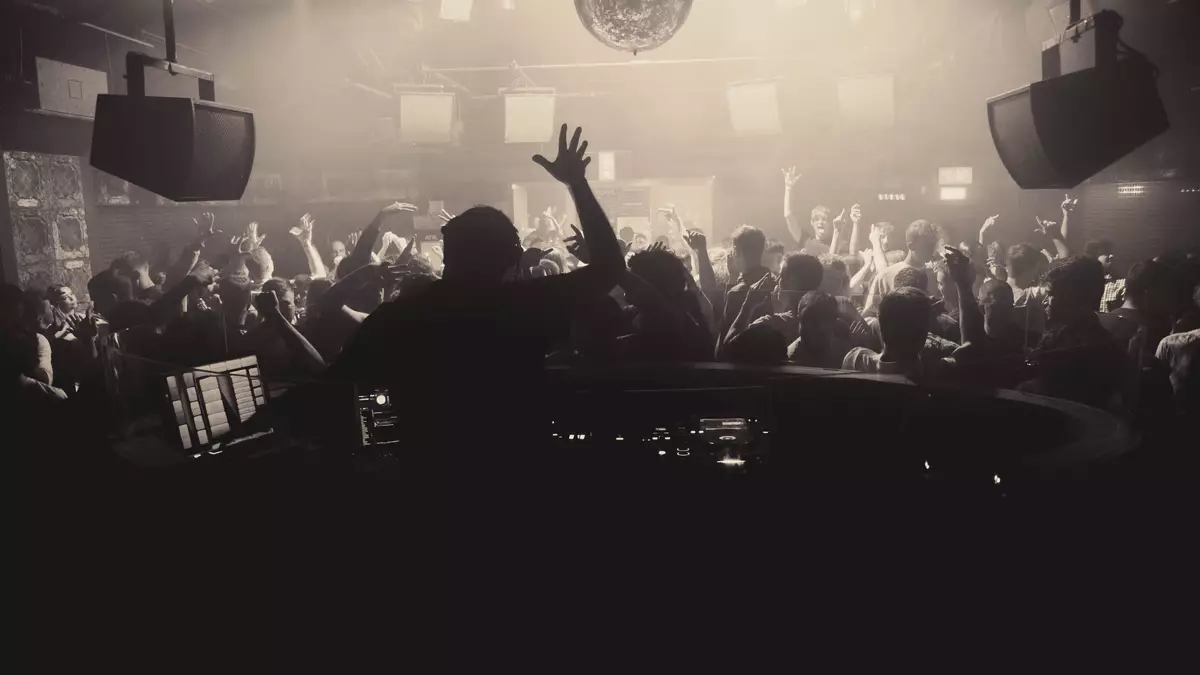
Prince turned stadium lights and small-club stages alike into purple-lit laboratories, merging rock heroics, deep funk grooves, and gleaming pop hooks in a way that still frames how US music sounds today. From 1999 and Purple Rain to late-period experiments, his catalog keeps feeding new generations of artists, playlists, and critics.
Live electricity of Prince on US stages
Prince built his reputation in large part on the kind of live shows that turned casual listeners into lifelong fans. Long before streaming-era virality, his concerts were the primary way many US audiences experienced his blend of rock, funk, and R&B at full intensity.
Accounts from critics and fans alike describe marathon sets that could stretch past the two-hour mark, with Prince shifting fluidly from guitar hero to bandleader to piano-ballad storyteller. Major US outlets such as Rolling Stone and The New York Times have repeatedly emphasized how his tours became must-see events, especially during the 1999 and Purple Rain cycles, when demand for tickets outpaced supply across arenas nationwide.
Those tours illustrated how Prince collapsed boundaries between club intimacy and arena spectacle. He might open with a blistering guitar solo reminiscent of classic rock acts, pivot into tight funk workouts driven by his rhythm section, and then slow the pace for stripped-back performances of songs like Purple Rain or The Beautiful Ones.
Band lineups around him were stacked with virtuoso musicians, from the Revolution to the New Power Generation. US reviews routinely highlighted the precision of his ensembles, noting how even the wildest improvisations felt locked into a larger narrative arc for the night. This fusion of discipline and spontaneity helped set a standard that pop and rock performers still chase.
Prince also used staging, choreography, and costume changes as extensions of his songwriting. Lighting schemes painted venues in deep violets and neon hues, while carefully arranged setlists balanced chart-topping hits with deep cuts and covers. At a time when some rock bands treated visual presentation as secondary, he leaned fully into theatricality without sacrificing musical credibility.
For US fans, those shows became cultural events as much as concerts, occasions where communities gathered in cities from Los Angeles to Chicago and New York to celebrate an artist who insisted on keeping mainstream pop weird, soulful, and unapologetically personal. Even in archival footage, the energy of those performances remains palpable.
- High-energy, guitar-forward jams that nodded to rock and funk traditions
- Extended medleys that reimagined hits like 1999 and Let's Go Crazy
- Intimate piano segments showcasing his ballad writing
- Visual storytelling through lighting, fashion, and choreography
Why Prince still matters in US pop culture
Prince occupies a rare space in US pop culture: an artist who is simultaneously a rock guitar icon, an R&B innovator, a funk bandleader, and a pop hitmaker. His influence can be felt in the way current artists approach genre fluidity, image, and control over their work.
American listeners encounter Prince in multiple contexts, from classic-rock radio blocks to R&B playlists and pop countdowns. His songs sit comfortably alongside acts as varied as Bruce Springsteen, Beyoncé, and Outkast, reflecting how his music helped erode rigid categories in the record-store bins and, later, streaming platforms.
Critics regularly cite Prince as a benchmark when evaluating contemporary albums that mix guitars, synths, and grooves. For example, coverage in outlets like Pitchfork and NPR Music often references his work when assessing new records that blur lines between rock, soul, and electronic pop, underscoring how his catalog remains a critical yardstick decades after its initial release.
Beyond sound alone, Prince serves as a reference point for how artists navigate image and identity. His fashion, stage persona, and gender-fluid style challenged conventional notions of masculinity in mainstream rock and pop. That legacy resonates with younger artists who foreground self-expression and challenge norms in similar ways.
On a business level, Prince's battles over master recordings and his push for artistic autonomy anticipated current debates about catalog ownership and streaming-era economics. US media discussions about musicians reclaiming their masters or negotiating better streaming terms often invoke his career as an early, high-profile example of resistance to restrictive industry contracts.
From Minneapolis beginnings to global breakthrough
Prince was born Prince Rogers Nelson in Minneapolis, Minnesota, a setting that played a crucial role in his development. The city's relative distance from coastal music-industry hubs allowed him to build a distinct sound without conforming to expectations coming out of New York or Los Angeles.
He released his debut album For You in the late 1970s, a record notable for the fact that he wrote, produced, and performed nearly every part himself. Early coverage in US outlets pointed out his multi-instrumental abilities and studio control, rare qualities for such a young artist on a major label.
Follow-up albums quickly expanded his presence on US charts. Prince, Dirty Mind, and Controversy each pushed further into a mix of funk rhythms, rock guitar, and provocative lyrics, earning both praise and controversy. American critics debated the explicitness of his imagery while also recognizing his growing sophistication as a songwriter and producer.
The real breakthrough came with 1999. The double album yielded hits like 1999 and Little Red Corvette, songs that gained heavy rotation on US radio and early MTV. According to Billboard coverage, these tracks marked a turning point in getting Black artists into heavy rock-leaning MTV slots, helping to diversify the network's programming at a crucial moment.
That momentum set the stage for Purple Rain, both an album and a film vehicle that catapulted Prince to global superstardom. The movie, set in Minneapolis and centered on a fictionalized version of his life, gave US audiences a narrative lens through which to view his music. The album, packed with songs like When Doves Cry, Let's Go Crazy, and the title track, became a phenomenon across radio formats and record stores.
US chart data from Billboard shows that Purple Rain dominated the Billboard 200 albums chart during its peak, while singles from the project appeared on the Billboard Hot 100, R&B charts, and rock-focused playlists. This cross-format success cemented Prince as a rare figure who could headline rock festivals, top R&B stations, and drive pop sales simultaneously.
In the years that followed, Prince continued to release a steady stream of albums, including Around the World in a Day, Parade, and Sign o' the Times, each showing different facets of his songwriting and production. Through these records, he maintained a delicate balance between commercial appeal and adventurous experimentation, keeping both mainstream listeners and serious music fans engaged.
Signature sound across Purple Rain, Sign o' the Times, 1999
Prince's signature sound rests on a few key pillars: a willingness to fuse genres, a commitment to groove, and an ear for melodies that can carry both dance-floor energy and emotional weight. Albums like 1999, Purple Rain, and Sign o' the Times illustrate how these elements interact.
On 1999, drum machines and synths create an electronic pulse that still feels raw and human, while his guitar work injects flashes of rock intensity. Songs such as Little Red Corvette and Delirious ride a balance of crisp rhythms and airy hooks. US critics at the time praised his ability to make cutting-edge studio technology feel organic rather than clinical.
Purple Rain leans more heavily into rock structures without abandoning funk roots. The title track arcs from quiet ballad to cathartic guitar climax, drawing comparisons to classic rock epics while still sounding unmistakably like Prince. When Doves Cry famously omits a conventional bass line in its main arrangement, an unconventional choice that gave the track a singular tension and helped it stand out on radio playlists.
Sign o' the Times showcases Prince working in a more stripped-back and experimental mode. The title track features minimal instrumentation and socially conscious lyrics, while songs like U Got the Look and If I Was Your Girlfriend explore different vocal personas and textures. American reviewers have often singled out this album as one of his most complete artistic statements, bridging pop accessibility and avant-garde impulses.
Lyrically, Prince toggled between introspective themes, political commentary, spirituality, and unabashed sensuality. He could move from the social critique of a song like Sign o' the Times to the erotic charge of Kiss or the spiritual yearning embedded in tracks like I Would Die 4 U, giving listeners a multidimensional picture of his world.
Prince was also a prolific producer for other acts, a role that expanded his sonic impact. Projects associated with the so-called Minneapolis sound, including work with artists such as The Time and Sheila E., carried his fingerprints in their tight drum programming, sharp guitar figures, and layered synth lines. US radio and club DJs helped spread this aesthetic nationwide, further entrenching his approach in the broader pop and R&B landscape.
Vocally, he deployed a wide range, from falsetto cries to low, conversational deliveries. This flexibility allowed him to inhabit different characters within a single album, an approach that gave his records a theatrical dimension even before any visuals entered the picture.
How Prince reshaped culture, industry, and influence
Prince's cultural impact stretches well beyond his own record sales. In the US, his career helped rewrite the rules for how Black artists could operate within rock, pop, and mainstream media environments, and it influenced generations of musicians across genres.
One of his most-discussed legacies involves control over creative work. In the 1990s, Prince entered a public dispute with his label over ownership of his master recordings, famously appearing with the word "slave" written on his face and temporarily changing his name to an unpronounceable symbol. As coverage in outlets like The Washington Post and Rolling Stone notes, this conflict anticipated later moves by artists demanding ownership and more favorable contract terms, making his stance a reference point in music-business conversations.
Industry bodies have also recognized the lasting reach of his catalog. The Recording Industry Association of America (RIAA) lists multiple Gold and Platinum certifications for albums such as 1999, Purple Rain, and Sign o' the Times, reflecting sustained sales and streaming over decades. These honors underscore how his music continues to find new listeners long after its initial release.
In critical circles, Prince regularly appears near the top of greatest-artist lists. Rolling Stone, for example, has placed him high in rankings of guitarists, songwriters, and overall artists, highlighting his technical skill and studio innovation in equal measure. Such recognition reinforces his status as a touchstone for musicians who want to combine virtuosity with a strong sense of pop craft.
Younger artists often cite Prince as a formative influence. Pop and R&B acts who play their own instruments, oversee production, and treat fashion as a core part of their narrative routinely trace a line back to his example. Genre-blurring performers, from alternative R&B singers to rock frontpeople, likewise reference his catalog when describing their creative aspirations.
In the wider culture, Prince's fashion and visual identity left a mark on everything from runway shows to Halloween costumes. His use of lace, vivid colors, and androgynous silhouettes expanded how a rock or pop star could present themselves, especially in the US mainstream. It contributed to a broader conversation about gender expression in popular culture.
As of June 2, 2026, his recordings continue to circulate widely through official digital releases, box sets, and curated playlists. Major anniversaries of albums like Purple Rain and 1999 often prompt new waves of features and think pieces in outlets such as Billboard, The Guardian, and NPR Music, showing how his work remains an active part of musical discourse rather than a static museum piece.
Questions fans often ask about Prince
What makes Prince stand out from other rock and pop icons?
Prince stands out because he combined the roles of singer, songwriter, producer, and multi-instrumentalist at an elite level while also challenging genre boundaries. He could craft stadium-ready rock anthems, intricate funk grooves, and intimate ballads, often on the same album, and he controlled much of the recording process himself.
Which Prince albums are essential starting points for new listeners?
Many listeners begin with Purple Rain for its blend of hits and deep emotional resonance, then explore 1999 for its synth-funk party atmosphere and Sign o' the Times for its breadth and experimentation. These records highlight different facets of his songwriting, guitar work, and production, offering a strong overview of why critics regard him so highly.
How has Prince influenced today's US music scene?
Prince has influenced today's US music scene by normalizing genre mixing, encouraging artists to take control of their masters and branding, and showing how visual presentation can enhance musical storytelling. Contemporary pop, R&B, rock, and even some hip-hop acts borrow from his approaches to arrangement, vocal delivery, and stagecraft, keeping his spirit alive in everything from festival headlining sets to late-night TV performances.
Prince music and conversations online and on apps
Even as physical media and television play a smaller role, Prince remains a constant presence across social networks and streaming platforms, where fans trade live clips, rare tracks, and personal stories about what his songs mean to them.
Prince – moods, reactions and trends across social media:
Further reading on Prince and related scenes
More coverage of Prince at AD HOC NEWS and in other media:
Read more about Prince on the web ->Search all Prince stories on AD HOC NEWS ->


