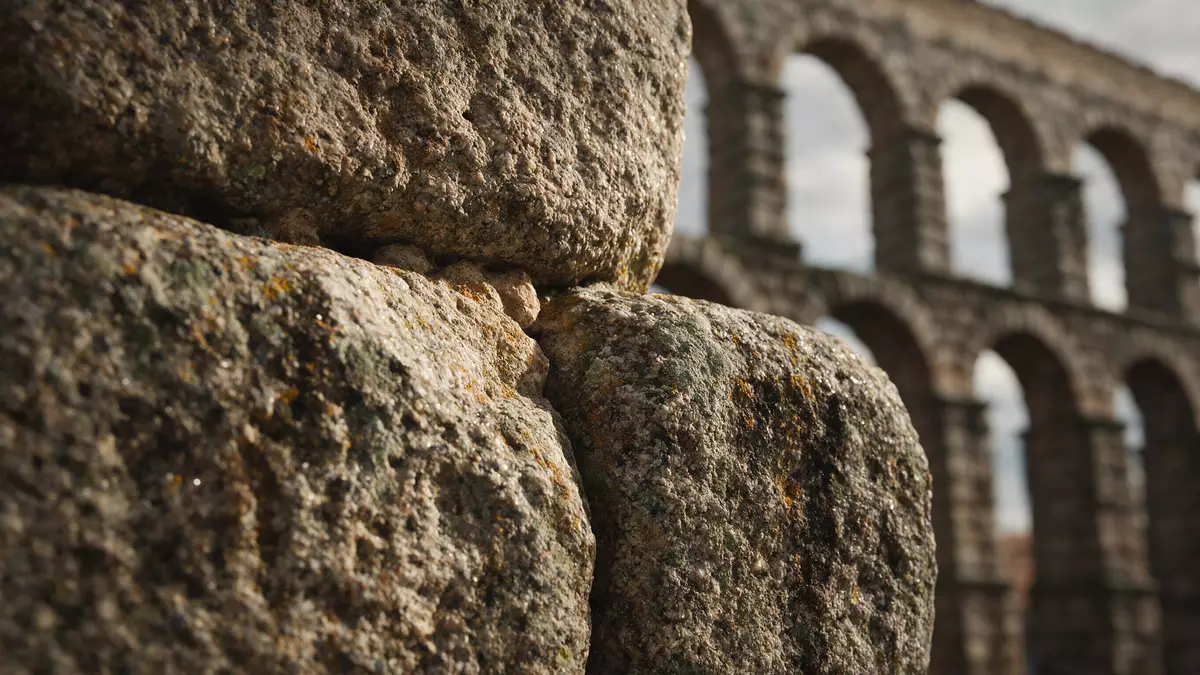
Acueducto de Segovia and its stacked arches
Published on 08/12/2026 at 14:31 | Editorial responsibility: Rafael Müller, Editor-in-Chief AD HOC NEWS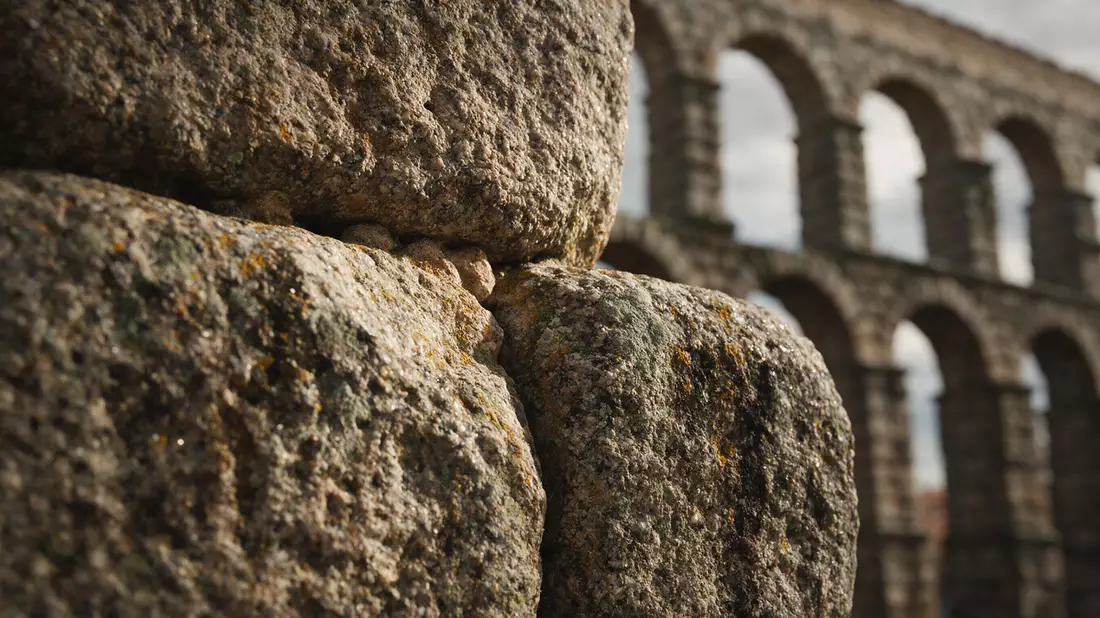
Acueducto de Segovia rises in two tiers of arches above Segovia, with the Roman structure carrying the city’s clearest historical silhouette. It is a stone aqueduct linked to Roman engineering and to the long story of the old town.
Two tiers of Roman arches in Segovia
The aqueduct is built from granite blocks and sits with a dry, precise rhythm across the urban edge. Its most recognisable stretch is the double arcade, a form that gives the monument its strong profile.
That profile belongs to the Roman period, with the structure commonly placed in the early imperial age. The aqueduct was part of Segovia’s civic fabric for centuries and remained a defining part of the town’s water history.
Roman work, later recognition
The monument is associated with the reign of Trajan, and some accounts place its construction around the opening years of the second century AD. UNESCO lists the old town and the aqueduct together, with inscription in 1985.
Acueducto de Segovia also carries a formal Spanish heritage designation from 1884. Those dates anchor the monument in both Roman and modern heritage history, with the aqueduct named as part of Segovia’s protected identity.
A city landmark shaped by stone and scale
The aqueduct reaches a maximum height of 28.5 m (94 ft). At street level, its stacked arches create a hard contrast with the lower buildings around Plaza del Azoguejo.
Granite gives the monument its severe colour and texture, while the repeated arches keep the eye moving across the frontage. The effect is architectural rather than ornamental: an infrastructure surviving as a public image.
Visiting Acueducto de Segovia: what travellers from Western Europe should know
- The aqueduct stands in Segovia, Spain, in the city’s historic centre. Plaza del Azoguejo is the best-known urban reference point.
- The monument is an open-air structure at street level, so no staircase or interior route is involved. Its scale is read from the square and nearby streets.
- The fabric is granite, and the double arcade is the key feature to look for. The upper tier carries smaller arches above the broader lower span.
- The site forms part of the old town’s UNESCO-listed ensemble. That status places it among the city’s core historical monuments.
- The official language is Spanish and the currency is the euro.
Searching for Acueducto de Segovia on social platforms
These links open searches for Acueducto de Segovia on each platform.
Frequently asked questions about Acueducto de Segovia
Where is Acueducto de Segovia?
It stands in Segovia, in central Spain, and the best-known urban setting is Plaza del Azoguejo. The aqueduct is part of the city’s historic core.
What does a visit involve?
It is an outdoor monument seen from the surrounding streets and square. The main experience is the scale of the masonry and the double line of arches.
What makes it distinctive?
The aqueduct’s two-tier arcade and granite construction give it a strong, unmistakable form. Its Roman origin and 1985 World Heritage status add historical weight.