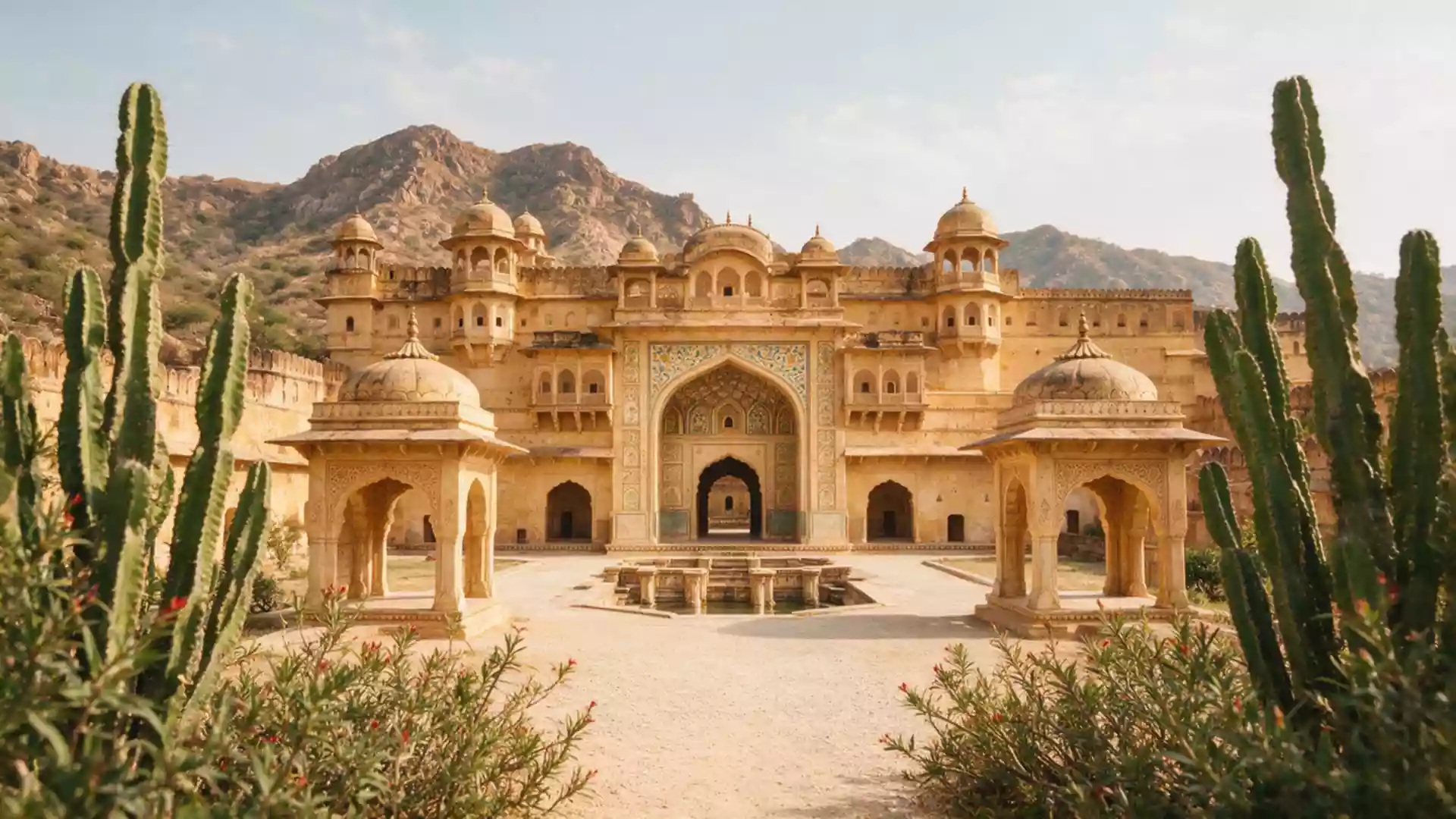
Amber Fort records visitor surge on 10 November 2026
Published on 11/14/2026 at 13:50 | Editorial responsibility: Rafael Müller, Editor-in-Chief AD HOC NEWSVisitor figures after Diwali
- Rajasthan Tourism recorded 10,923 visitors at Amber Fort on 10 November 2026.
- The fort received 19,109 visitors across 9 and 10 November 2026.
- Amber Fort stands about 11 km from Jaipur and contains four courtyard sections.
- Rajasthan Tourism identifies Suraj Pol and Chand Pol as entrances to the complex.
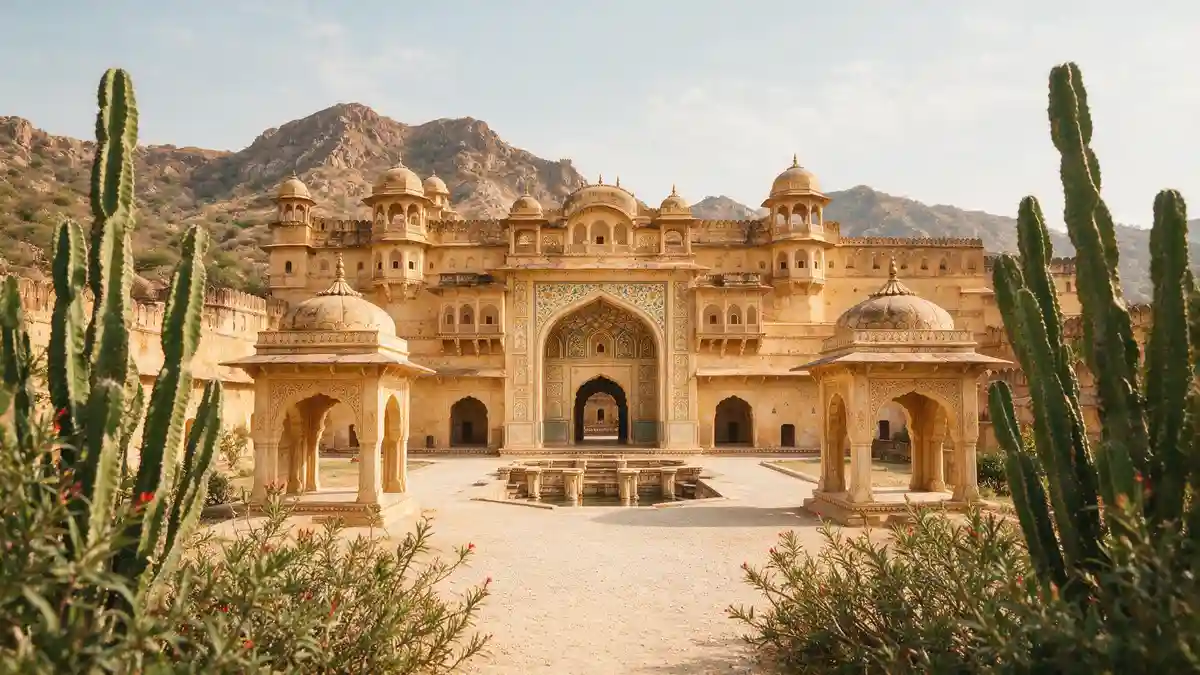
Amber Fort (Amber Palace) in Jaipur recorded its strongest recent visitor figures on 10 November 2026, when 10,923 people entered the hilltop heritage complex. The result formed part of a two-day total of 19,109 visits after the Diwali holidays, making the Rajasthan landmark the main focus of a wider rise in heritage tourism.
Post-Diwali visitor figures put Amber Fort first in Jaipur
Figures attributed to the Rajasthan Tourism Department show that 8,186 visitors came on 9 November 2026. The number rose to 10,923 on 10 November, producing the combined total of 19,109 visits across the two days. The figures were reported by ThePrint in a PTI report.
The increase followed Diwali and was recorded across several Jaipur attractions. Hawa Mahal rose from 5,994 visitors on 9 November to 9,200 on 10 November, while Jantar Mantar reached 7,327 visitors on the second day, compared with 5,423 on the first. For travellers planning a visit in the second half of November, the figures indicate that the fort is part of a busy post-festival period rather than an isolated attraction.
Rajasthan Tourism describes the fort above Maota Lake
The destination stands on a small hill about 11 km from central Jaipur and is built from pale yellow and pink sandstone with white marble. Its palace complex is arranged in four main sections, each with its own courtyard, and includes the Sheesh Mahal, audience spaces, temples, gardens and the former royal quarters.
The official Rajasthan Tourism description connects the visitor figures with the physical layout travellers encounter. The combination of several courtyards and named entrances helps explain why the 10 November total describes a substantial flow through a broad palace complex, not a single room or viewpoint. The same page also states that part of the underground tunnel connection towards Jaigarh Fort has been restored and opened to the public.
Suraj Pol remains the main arrival point for the palace complex
Rajasthan Tourism lists Suraj Pol as the entrance used on arrival, while visitors travelling by car use Chand Pol. The authority says buses leave from Ajmeri Gate and MI Road, and that an auto-rickshaw or car can also be used from elsewhere in Jaipur.
Visiting Amber Fort: what travellers from Western Europe should know
- The relevant visitor figures cover 9 and 10 November 2026, with 10,923 visits recorded on 10 November and 19,109 across both days.
- The figures describe visitor numbers, not a special closure or a changed entrance; Suraj Pol and Chand Pol are the named access points in the Rajasthan Tourism information.
- The complex is about 11 km from Jaipur, with buses from Ajmeri Gate and MI Road and road access by auto-rickshaw or car.
- The fort occupies a hill and contains courtyards, palace sections, gardens, temples and underground passages, so the visit includes uneven historic circulation and changes in level.
- Entry requirements depend on your nationality; UK travellers can check the FCDO travel advice at gov.uk/foreign-travel-advice, Irish travellers the Department of Foreign Affairs at ireland.ie.
Searching for Amber Fort on social platforms
These links open searches for Amber Fort on each platform.
Frequently asked questions about Amber Fort
What happened at Amber Fort on 10 November 2026?
The fort recorded 10,923 visitors on 10 November 2026, following 8,186 visitors on 9 November.
Where is Amber Fort and how do you get there?
It stands about 11 km from Jaipur. Rajasthan Tourism lists buses from Ajmeri Gate and MI Road, as well as auto-rickshaws and cars.
What is Amber Fort?
It is a hilltop palace complex built with sandstone and white marble, with four courtyard sections, the Sheesh Mahal, temples, gardens and restored underground passages.