
Bahia de Samana, where a broad Caribbean bay meets green hills
Published on 09/05/2026 at 16:18 | Editorial responsibility: Rafael Müller, Editor-in-Chief AD HOC NEWS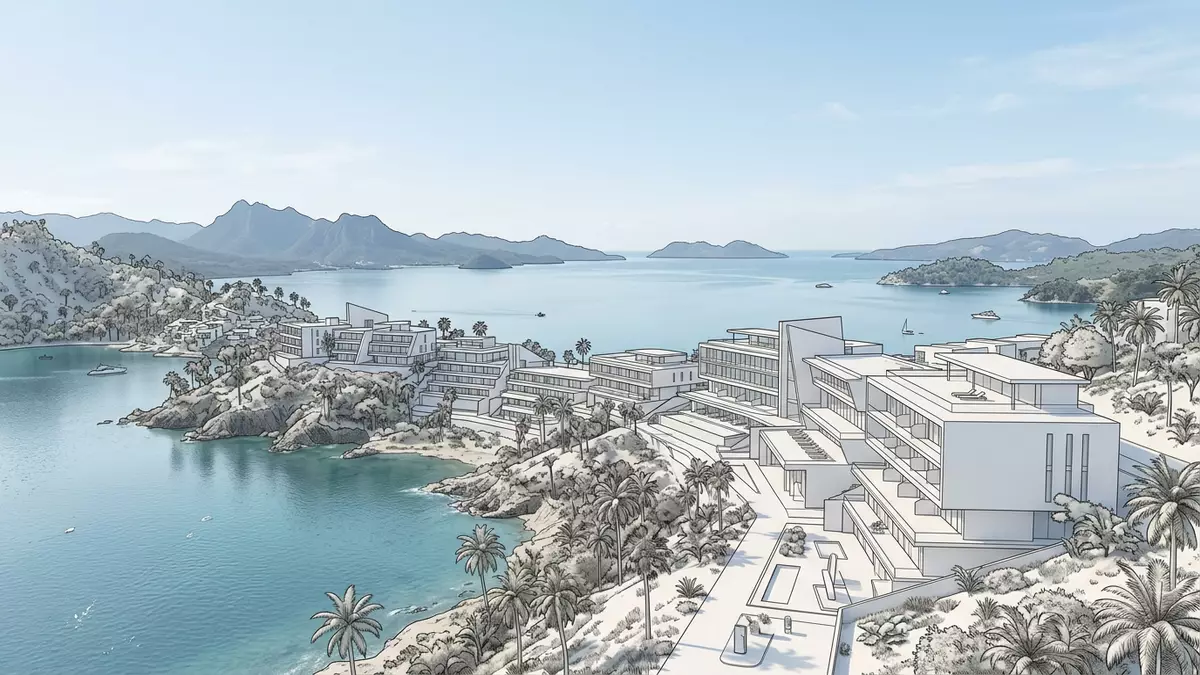
Bahia de Samana, known in English as Samaná Bay, is the broad, sheltered bay on the north?eastern coast of the Dominican Republic that shapes the landscape around the town of Samana. Its waters lie south of the Samaná Peninsula and form a wide opening towards the Mona Passage, the strait between the Atlantic Ocean and the Caribbean Sea that links two great bodies of water in the northern Caribbean. The bay’s scale, its green hillsides and its scattering of offshore islands give this corner of Samana a distinct maritime character that visitors notice as soon as they approach the shoreline.
The long bay in the Mona Passage
Bahia de Samana is first and foremost a geographic feature: a long bay cupped between the Samaná Peninsula to the north and the coastal plains and hills of Samaná Province to the south. Encyclopaedic descriptions place its extent at about 65 km (40 miles) from east to west and around 25 km (15 miles) from north to south, figures that underline how large an area of water it occupies on the country’s north?east side.measures about 40 miles east-west The bay lies along the Mona Passage, the stretch of sea between Hispaniola and Puerto Rico that carries deep Atlantic waters towards the Caribbean basin.lies along the Mona Passage
On maps, Bahia de Samana appears as a clearly defined inlet south of the Samaná Peninsula, its length running roughly east?west and its width forming a generous inner sea. Descriptions in reference works emphasise that the bay’s deep water and protected setting make it one of the better natural anchorages in the West Indies, a feature that has long supported fishing boats and visiting ships.one of the finest natural harbours The Yuna River, one of the country’s major rivers, flows into the inner reaches of the bay from the west, bringing freshwater and sediments into a zone where sea and river meet.The Yuna River flows into Samaná Bay
Islands, mangroves and green hills
For visitors approaching Bahia de Samana from the town of Samana or from the surrounding hills, one of the most striking aspects is the mix of water, low islands and deeply green slopes that frame the bay. Travel accounts and destination guides describe small karst islands rising from the water, sandy stretches along portions of the coast, and significant stands of mangroves along sheltered shores and river mouths.karst islands and pristine beaches Behind the waterline, hills and mountains of the Samaná Peninsula and inland Samaná Province provide a green backdrop that remains visible from many points around the bay.bay, surrounded by green mountains
The combination of mangrove channels, low forested islands and open water gives Bahia de Samana a varied coastline, with sections of mainland shore broken into coves and inlets. Some descriptions mention that the southern side of the bay touches areas that form part of Los Haitises National Park, a protected zone known for its limestone formations and rich bird life, while the northern side runs along the length of the Samaná Peninsula.Samana Bay is the largest bay in the country This setting makes the bay a point where sea, coastal wetlands and upland forest are all visible in a single sweep of the horizon.
Samana, whales and the bay’s role in the region
Bahia de Samana lies beside the town of Santa Bárbara de Samana, often called simply Samana, which serves as the main urban centre on this part of the coast.town is known as Santa Barbara de Samana The town’s harbour gives direct access to the bay, and coastal roads link Samana with other communities along the peninsula and across the province.gehört zur Provinz Samana Guides to the wider region describe Samaná as a destination for nature and beach tourism, with the bay forming a central element of that landscape.
Bahia de Samana has also become widely associated with marine life, particularly humpback whales that migrate into the bay’s warm, sheltered waters during part of the year. Cruise lines and tour operators describe the bay as an important breeding and calving area for these whales, highlighting boat excursions that head into the open bay to observe them from the water.crucial winter breeding and calving ground These seasonal movements, together with dolphins and other marine species reported in travel reviews, add a layer of ecological interest to what visitors otherwise see as a broad expanse of Caribbean water framed by hills.
Visiting Bahia de Samana: what travellers from Western Europe should know
- Bahia de Samana lies beside the town of Santa Bárbara de Samana in Samaná Province, on the north?eastern coast of the Dominican Republic, south of the Samaná Peninsula.
- Access to the bay comes along coastal roads that follow the peninsula and by boats operating from Samana’s harbour, with views of green hills and offshore islands from the water.
- The shoreline around Bahia de Samana includes sections of mangrove, low forested slopes and sandy stretches, so walking routes and viewpoints often involve uneven ground rather than formal promenades.
- The official language is Spanish and the currency is the Dominican peso.
- Entry requirements depend on your nationality; UK travellers can check the FCDO travel advice at gov.uk/foreign-travel-advice, Irish travellers the Department of Foreign Affairs at ireland.ie.
Searching for Bahia de Samana on social platforms
These links open searches for Bahia de Samana on each platform.
Frequently asked questions about Bahia de Samana
Where is Bahia de Samana?
Bahia de Samana is on the north?eastern coast of the Dominican Republic, south of the Samaná Peninsula and beside the town of Santa Bárbara de Samana.
What can visitors expect on a visit to Bahia de Samana?
Visitors encounter a broad bay of Caribbean water framed by green hills, offshore islands, mangrove?lined sections of coast and a working harbour at Samana.
What makes Bahia de Samana distinctive among Caribbean bays?
Its combination of large scale, sheltered deepwater, the setting within the Mona Passage and the regular presence of humpback whales gives Bahia de Samana a distinctive profile in the region.


