
Belize Barrier Reef, a living wall of coral off Belize City
Published on 09/17/2026 at 07:49 | Editorial responsibility: Rafael Müller, Editor-in-Chief AD HOC NEWS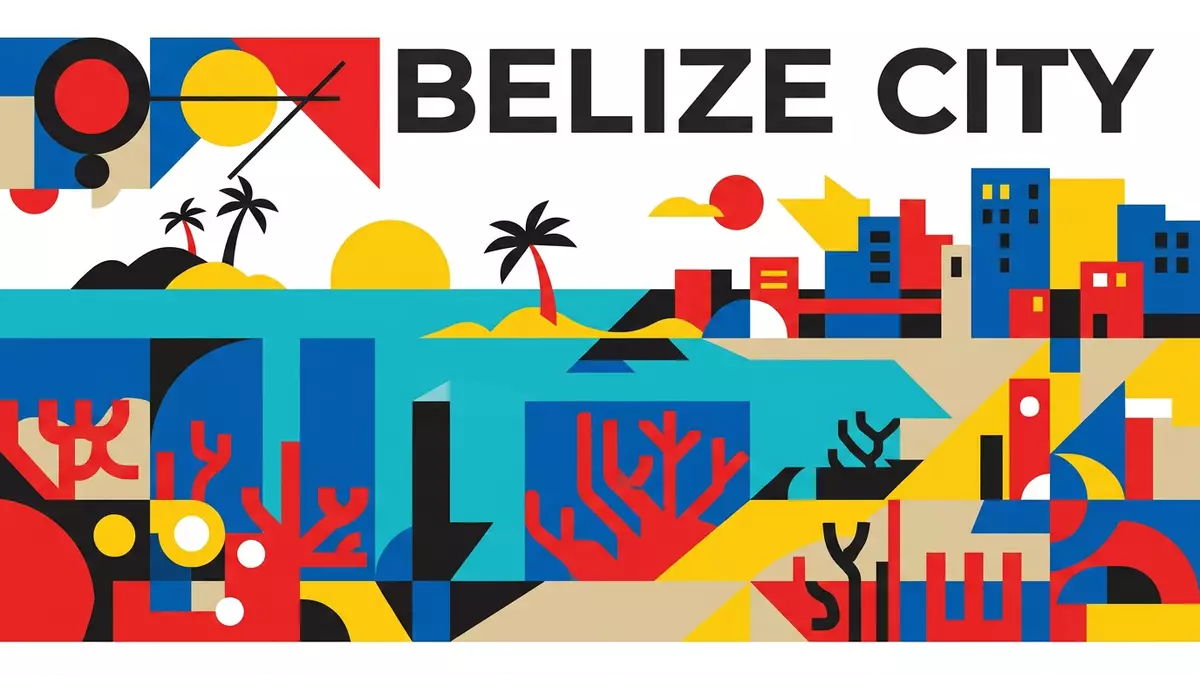
Belize Barrier Reef runs off the Caribbean coast of Belize, forming a long chain of coral structures and shallow lagoons that define the seaward edge of the country’s marine landscape. It lies offshore from Belize City and has been recognised as part of a UNESCO World Heritage Site since 1996, reflecting its outstanding biodiversity and range of reef formations.
A reef system on a national scale
Rather than a single ridge of coral, Belize Barrier Reef is part of a wider reserve system that extends along much of the country’s coastline, with individual reef segments, offshore atolls and hundreds of small cays scattered across the shallow shelf. The UNESCO-listed Belize Barrier Reef Reserve System comprises seven protected areas, including Bacalar Chico National Park and Marine Reserve, the Blue Hole Natural Monument, Half Moon Caye Natural Monument, South Water Caye Marine Reserve, Glover’s Reef Marine Reserve, Laughing Bird Caye National Park and Sapodilla Cayes Marine Reserve.seven protected areas These sites show the full spectrum of reef development, from fringing formations near shore to barrier reefs and circular atolls rising from deeper water.
The reef complex runs along the Caribbean coast between the borders with Mexico and Guatemala, forming the largest barrier reef in the northern hemisphere and one of the most extensive reef systems in the Atlantic-Caribbean region.largest barrier reef in the northern hemisphere Along this length, the reef lies relatively close to the mainland in the north and further offshore in the south, enclosing shallow lagoons where mangroves, seagrass meadows and sand cays form a mosaic of habitats. From Belize City, boats thread through these sheltered waters toward the outer reef, passing low-lying islands that sit barely above sea level.
Coral, cays and atolls: the architecture of a marine landscape
Belize Barrier Reef is built by living coral colonies that accumulate calcium carbonate skeletons over generations, constructing a complex framework of ridges, pinnacles and platforms. Within the broader reef system, scientists have identified dozens of hard coral species and many forms of soft coral, together forming thickets, plates and massive heads that create niches for invertebrates, fish and other marine life.array of reef types These reef structures are interspersed with sandy channels and patches of seagrass, where conch and other molluscs inhabit the quieter seabed.
Above the waterline, the reef system includes approximately 450 sand and mangrove cays, many little more than narrow strips of beach backed by low vegetation.sand and mangrove cays Further offshore, three atolls rise from deeper water, encircling lagoons that contrast sharply with the open Caribbean beyond.offshore atolls and lagoons These atolls, together with the barrier reef itself, give the marine landscape a layered structure: inner coastal shallows, mid-shelf coral patches and outer walls that face the deeper sea.
Biodiversity in the waters off Belize City
The waters around Belize Barrier Reef support a broad community of marine species, many of which depend on the combination of coral structures, mangroves and seagrass meadows for different stages of their lives. Surveys within the reserve system have recorded hundreds of fish species, including reef-dwellers that occupy the crevices of the coral and more mobile species that patrol the outer slopes. Marine flora is also varied, with many taxa of algae and other plants contributing to the productivity of the shallow lagoons.hundreds of fish species Together, these communities make the reef one of the more intact examples of a Caribbean coral ecosystem.
Several threatened animals use parts of the Belize Barrier Reef Reserve System as habitat, notably the West Indian manatee, marine turtles such as the green, hawksbill and loggerhead species, and the American crocodile, which can be found in certain coastal lagoons and mangrove-fringed channels.habitat for threatened species Seabirds and other coastal birds breed on some of the cays and atolls, nesting in littoral forests and shrubs. This combination of marine and terrestrial life forms part of the reason the reef complex was inscribed on the World Heritage List under natural criteria that highlight scenic value, ecological processes and conservation of biological diversity.natural criteria vii, ix and x
Visiting Belize Barrier Reef: what travellers from Western Europe should know
- Belize Barrier Reef lies off the Caribbean coast of Belize, with many excursions departing from Belize City and other coastal settlements by boat toward nearby cays and reef areas.
- Approaches to the outer reef often involve travel across shallow lagoons where navigation channels wind between sandbanks and mangrove islands, and landings on cays may be via simple jetties or beach approaches.
- Snorkelling and diving sites around the reef usually involve entering the water from small vessels or from beaches on low cays, with sandy seabeds and coral structures rising nearby.
- The official language is English and the currency is the Belize dollar.
- Entry requirements depend on your nationality; UK travellers can check the FCDO travel advice at gov.uk/foreign-travel-advice, Irish travellers the Department of Foreign Affairs at ireland.ie.
Searching for Belize Barrier Reef on social platforms
These links open searches for Belize Barrier Reef on each platform.
Frequently asked questions about Belize Barrier Reef
Where is Belize Barrier Reef in relation to Belize City?
Belize Barrier Reef lies offshore along the Caribbean coast, with Belize City acting as one of the main urban gateways to nearby cays and reef areas.
What can visitors expect when reaching the reef from the city?
Travellers encounter shallow lagoons, mangrove-fringed channels and low sand cays, with coral formations rising beneath clear water suitable for snorkelling and diving.
What makes Belize Barrier Reef distinctive among coral reefs?
It combines barrier reefs, atolls, cays, mangroves and seagrass meadows across a single coastal system, recognised as the largest barrier reef in the northern hemisphere and inscribed on the UNESCO World Heritage List in 1996.


