
Big Ben and the vertical clock tower of Westminster
Published on 09/16/2026 at 21:17 | Editorial responsibility: Rafael Müller, Editor-in-Chief AD HOC NEWS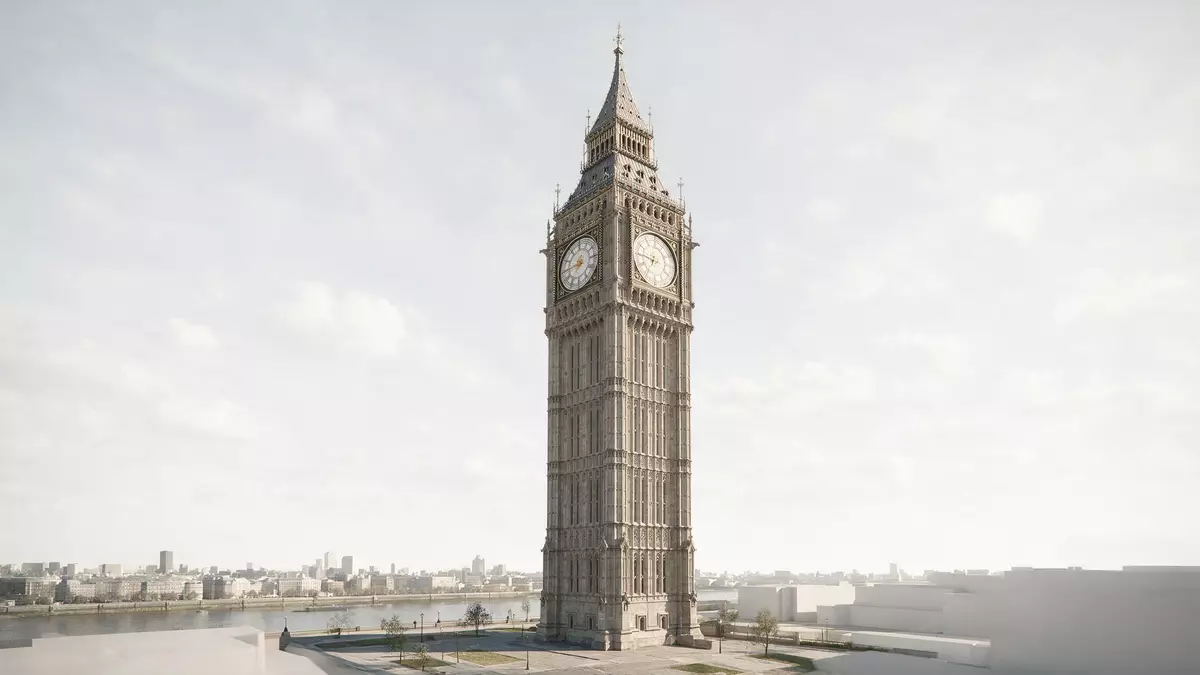
Big Ben is the nickname for the Great Bell of the clock in the Elizabeth Tower at the north end of the Palace of Westminster, and it has become the shorthand name for the entire tower and clock that rise above the Thames in central London. The tower’s Victorian Gothic profile, completed in 1859, gives Westminster one of its most recognisable vertical landmarks.
The Elizabeth Tower and its nineteenth?century silhouette
The clock tower that houses Big Ben is officially called the Elizabeth Tower and stands beside the river Thames at the Palace of Westminster in the district of Westminster in London. The structure is part of the Houses of Parliament complex, forming a vertical counterpoint to the long riverside frontage of the palace.Palace of Westminster The tower is a Victorian Gothic design associated with architect Augustus Pugin, and its completion in 1859 places it firmly in the high nineteenth century of British parliamentarian architecture.completed in 1859
The tower rises to about 96 m (315 ft), a height that makes the clock faces and the upper stages visible from bridges and river craft along this reach of the Thames.96 metres Its upper stages carry clock faces on four sides framed by an ornate stone and iron surround, while the belfry above them holds the Great Bell known as Big Ben and several smaller quarter bells. Internally, the tower is organised into a series of floors linked by narrow staircases that climb hundreds of steps from the base to the clock room and onward to the belfry.
A nineteenth?century clock and the Great Bell called Big Ben
The name Big Ben strictly refers to the Great Bell that hangs in the belfry of the tower, though in everyday language it also denotes the entire clock and tower ensemble.Great Bell The bell weighs about 13.7 tonnes and forms the core of a ring of bells that provide the hour and quarter chimes associated with Westminster. It was installed in the later 1850s, following casting and testing that form part of the broader history of the Great Clock of Westminster.Great Clock of Westminster
The clock mechanism that drives the four faces is a large turret clock designed in the mid?nineteenth century by Edmund Beckett Denison, using a gravity escapement intended for reliable timekeeping in public service.gravity escapement Each dial of the clock is several metres in diameter and filled with multiple pieces of translucent glass held in a cast iron frame, creating a luminous grid when lit from behind in low light. The ensemble of four dials, combined with the regular quarter chimes and hourly strikes, gives the tower one of the most distinctive audible and visual presences among European parliamentary buildings.four clock faces
Names, renaming and the place of Big Ben in London
The tower containing Big Ben has carried more than one official name. It was known as the Clock Tower for much of its history and in 2012 was formally renamed the Elizabeth Tower to mark the Diamond Jubilee of Queen Elizabeth II, a change recorded by the UK Parliament.renamed Elizabeth Tower The nickname Big Ben for the bell dates back to the later nineteenth century and has been associated with different origin stories, including links to Sir Benjamin Hall and the boxer Benjamin Caunt, though the exact naming remains part of the tower’s lore.nickname Big Ben
Big Ben’s chimes have become a regular time signal far beyond Westminster, with broadcasts by the BBC helping to carry the sound of the bell well outside London in the twentieth century.BBC chimes On the ground, the tower stands beside the Thames embankment and the Westminster Bridge approaches, so its stone base and lower stages rise directly above busy riverside streets and parliamentary entrances. The proximity to other landmarks such as Westminster Abbey and bridges across the Thames places Big Ben within a dense cluster of civic and religious architecture that frames many views of central London.
Visiting Big Ben: what travellers from Western Europe should know
- Big Ben stands at the north end of the Palace of Westminster beside the Thames, reached on foot from Westminster Bridge and from Westminster Underground station on the London rail network.
- The tower is built as a tall stone and iron structure with internal staircases that involve several hundred steps between the base, clock room and belfry, reflecting the overall height of about 96 m (315 ft).
- The Palace of Westminster complex lies close to Westminster Abbey and the government offices along Whitehall, so a visit to the area combines parliamentary architecture, riverside views and neighbouring historic buildings within a short walking radius.
Searching for Big Ben on social platforms
These links open searches for Big Ben on each platform.
Frequently asked questions about Big Ben
Where is Big Ben located in London?
Big Ben is part of the Elizabeth Tower at the north end of the Palace of Westminster in the district of Westminster beside the river Thames.
What can visitors expect when seeing Big Ben?
Visitors encounter a tall Victorian Gothic clock tower rising above the parliamentary buildings and the Thames embankment, with four large clock faces and the bell housed in the belfry above.
What makes Big Ben distinctive among London landmarks?
The combination of a nineteenth?century Gothic tower, a large Great Bell named Big Ben and a four?sided clock overlooking the Thames gives Westminster a singular vertical focus on the riverside skyline.


