
Blue Lagoon’s mineral-blue waters in a Reykjanes lava field
Published on 08/15/2026 at 14:12 | Editorial responsibility: Rafael Müller, Editor-in-Chief AD HOC NEWS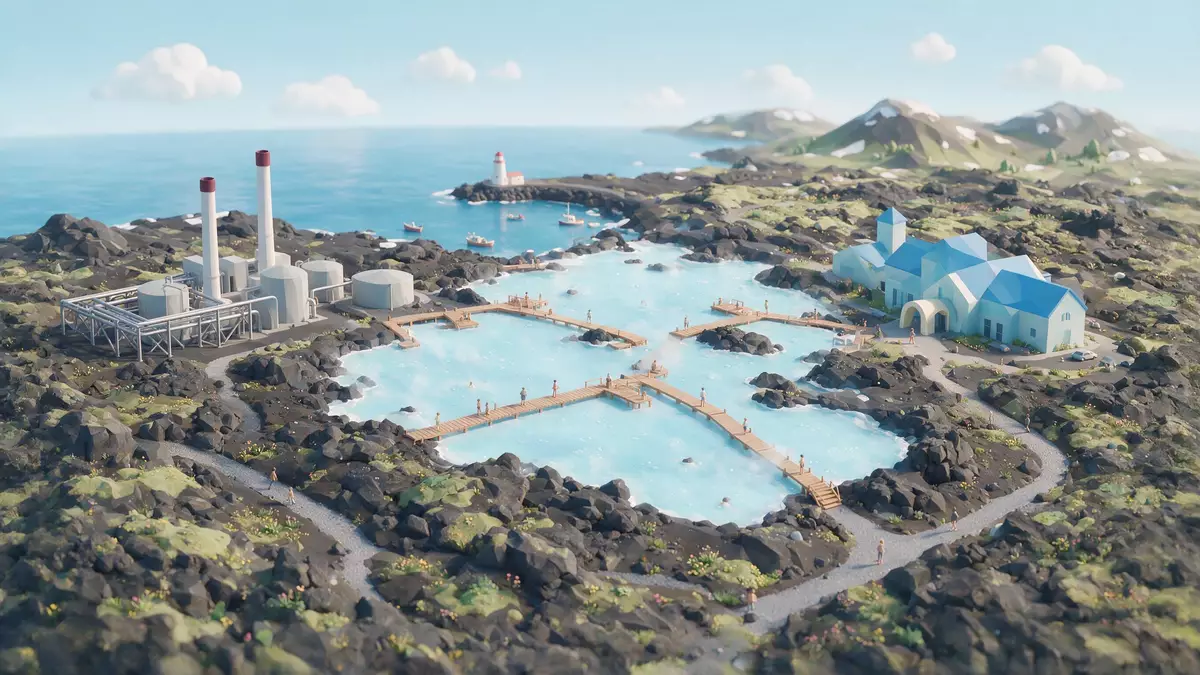
Blue Lagoon in southwest Iceland is a man?made geothermal spa where mineral?rich, milky?blue water fills a bathing lagoon in a black lava landscape near Grindavik. Set on the Reykjanes Peninsula, the lagoon draws its geothermal seawater from the Svartsengi power station and has grown since the early 1990s into one of Iceland’s defining spa destinations.
Geothermal seawater in a lava landscape
Blue Lagoon stands in a lava field on the Reykjanes Peninsula, a geothermally active corner of Iceland shaped by eruptions that created wide expanses of rough volcanic rock.The lava field around the lagoon forms a dark, textured backdrop for the pale water. The setting lies a short distance from the fishing town of Grindavik and Mount Þorbjörn, giving the spa a distinctly coastal and volcanic feel.The Reykjanes Peninsula location places the lagoon within the UNESCO?listed Reykjanes Geopark, where lava, geothermal steam and Atlantic winds meet.
The lagoon’s water is not a natural hot spring pool but geothermal seawater routed from the Svartsengi geothermal power station, where steam and hot water are used to generate electricity before being released into the surrounding lava.The adjacent Svartsengi plant feeds the lagoon and the water is renewed regularly. In the early years, runoff formed a warm pond between the jagged rocks; over time, this water was shaped into a planned bathing lagoon with clearly defined edges, access paths and facilities. The contrast between industrial energy infrastructure and leisure spa is part of what makes Blue Lagoon distinctive.
Mineral chemistry and the colour of the lagoon
The hallmark of Blue Lagoon is the opaque, pale blue water that fills its bathing areas, a colour created by the interplay of geothermal seawater and dissolved minerals. The water is a mixture of seawater and freshwater that meets under high pressure and heat deep below the surface before rising to the plant and the lagoon.Geothermal seawater beneath Reykjanes provides a high concentration of silica which forms a white mud coating on the rough lava. When light passes through the mineral?rich water, it takes on the characteristic soft blue tone that visitors associate with the site.
The lagoon covers a sizeable area, measured in square kilometres, with bathing zones of varying depth and terraces stepping down towards the water.Descriptions of the bathing area emphasise that the water remains warm enough for outdoor bathing even in cold weather, maintained by constant geothermal input rather than by surface heating. The combination of warmth, mineral content and open?air exposure has helped frame Blue Lagoon as both a recreational and wellness destination, and the silica mud has become part of the spa’s identity through masks and treatments.
From improvised pond to planned spa complex
Geothermal activity at Svartsengi began in the late twentieth century, and the first pools of warm runoff water formed in the lava field before the lagoon took shape as a formal spa.Accounts of the lagoon’s origins note that in the early days it was little more than an accessible pond where locals experimented with bathing. Blue Lagoon opened as an organised facility in 1992, marking the transition from informal bathing to a designed geothermal spa linked with skincare, wellness and hospitality.
Over three decades, the site has developed into a broader resort complex with spa buildings, changing facilities, a clinic, accommodation and a restaurant built partly into the lava. The architectural language tends to emphasise horizontal forms, dark exteriors and large glass surfaces that frame views of the lagoon and moss?covered rocks. Bridges, platforms and walkways cross the water, connecting different bathing areas and reinforcing the impression of a carefully managed man?made environment within an otherwise raw volcanic landscape.
Visiting Blue Lagoon: what travellers from Western Europe should know
- Blue Lagoon lies on the Reykjanes Peninsula in southwest Iceland, close to Grindavik and within driving reach of both Keflavík International Airport and Reykjavík via Route 41 and Route 43.
- The spa occupies uneven lava terrain, with stepped paths and bathing areas reached by walkways; the rough rock and changes in level demand steady footing, especially in wet conditions.
- Blue Lagoon sits outdoors in an exposed Atlantic climate, so weather on site can shift quickly, with wind, precipitation and low winter temperatures combining with the constant geothermal warmth of the water.
- The official language is Icelandic and the currency is the Icelandic króna.
- Entry requirements depend on your nationality; UK travellers can check the FCDO travel advice at gov.uk/foreign-travel-advice, Irish travellers the Department of Foreign Affairs at ireland.ie.
Searching for Blue Lagoon on social platforms
These links open searches for Blue Lagoon on each platform.Frequently asked questions about Blue Lagoon
Where is Blue Lagoon in relation to Grindavik and Reykjavík?
Blue Lagoon stands in a lava field near Grindavik on the Reykjanes Peninsula in southwest Iceland, within driving distance of both Keflavík International Airport and Reykjavík.
What should visitors expect during a visit to Blue Lagoon?
Visitors encounter outdoor geothermal bathing in mineral?rich, milky?blue water, surrounded by black lava rocks, with spa buildings, walkways and terraces integrated into the volcanic terrain.
What makes Blue Lagoon distinctive among geothermal spas?
The lagoon combines man?made geothermal seawater sourced from the Svartsengi power station with a dramatic lava?field setting, creating a large warm bathing area whose pale blue colour is tied to silica?rich water.


