Bulguksa and the stone terraces of Silla
Published on 08/07/2026 at 15:08 | Editorial responsibility: Rafael Müller, Editor-in-Chief AD HOC NEWS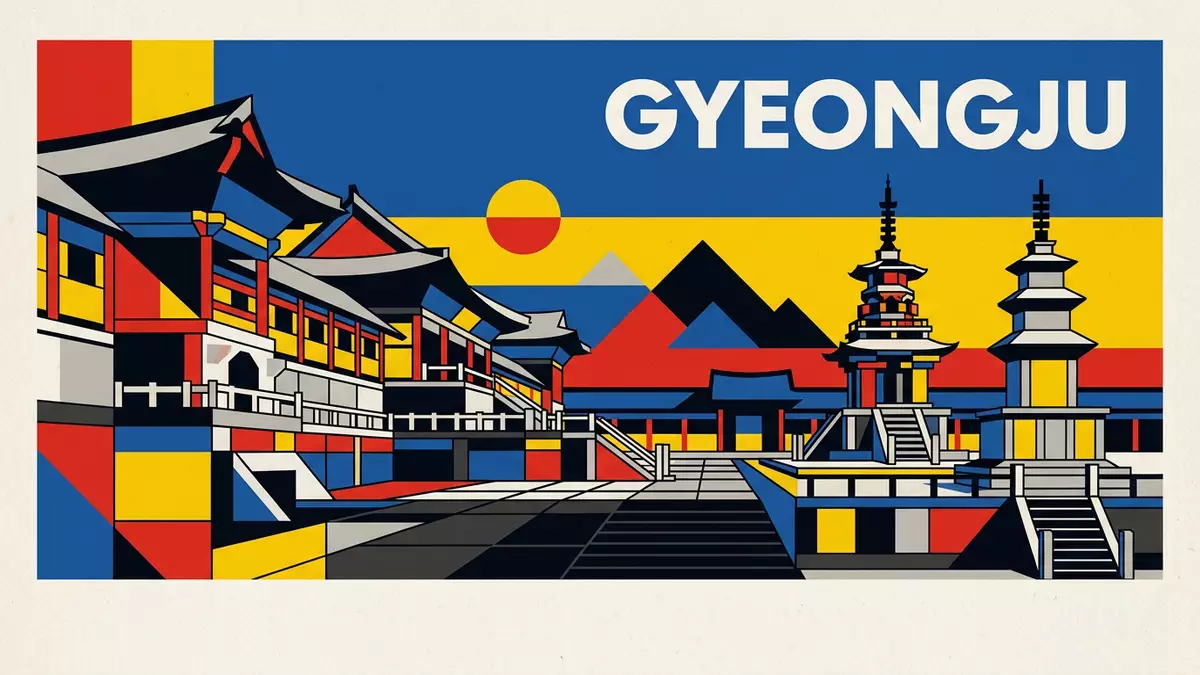
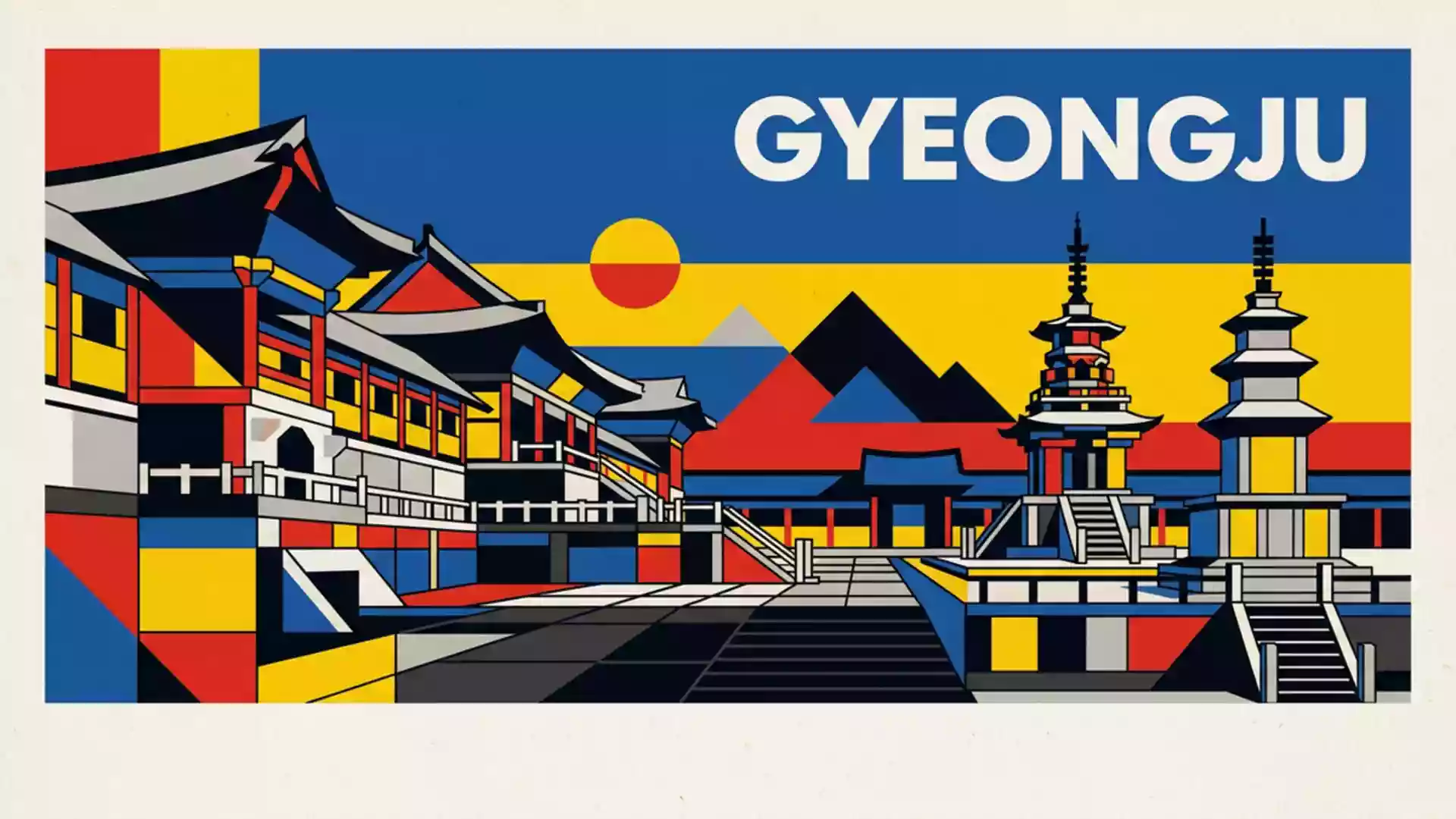
Bulguksa in Gyeongju is a Buddhist temple complex where timber halls rise above stone terraces and stairways from the Silla period. The contrast between wood, granite and open courtyards gives the site a clear structure from the first approach.
Bulguksa and the Silla temple landscape
The temple is associated with the Unified Silla kingdom and with the late eighth century, when the present complex took shape. Its main halls and platforms sit within a carefully ordered compound, with steps, gateways and courtyards linking one level to the next.
Stone balustrades, stair flights and terrace walls create a strong frame for the wooden buildings. The effect is measured rather than monumental, with carved details and structural lines carrying as much presence as the buildings themselves.
Stone, timber and ritual space
Bulguksa is known for the way its stonework and timberwork meet. Granite supports, stairs and platforms give the temple a firm base, while painted wooden halls sit above them in the traditional Korean style.
Among the best-known elements are Cheongungyo and Baegungyo, the stone stairways that lead towards the temple precinct, and the pagodas Dabotap and Seokgatap. Their placement gives the compound a sequence of thresholds rather than a single open court.
What survives in the temple grounds
The surviving complex reflects centuries of rebuilding and care within a sacred setting. The halls, pagodas and terraces belong to different functions within Buddhist worship, yet they read together as one ensemble.
Visitors encounter surfaces that shift from rough stone to lacquered wood, with carved ornament concentrated around brackets, railings and rooflines. The site remains one of the clearest places in Gyeongju to read Silla-period religious architecture through standing structures.
Visiting Bulguksa: what travellers from Western Europe should know
- It lies in Gyeongju, in South Korea, and is reached by road from the city centre.
- Admission arrangements and opening hours are set by the site's operator and change with the season; the official website is the only binding source.
- Spring and autumn bring the most comfortable walking conditions for the temple grounds.
- The site includes steps, stone terraces and uneven ground, so sturdy footwear is sensible.
- On site, Korean signage is common, and card payment is widely accepted in South Korea, though small cash can still be useful.
- Entry requirements depend on your nationality. UK travellers should check the FCDO travel advice at gov.uk/foreign-travel-advice; Irish travellers the Department of Foreign Affairs at ireland.ie; EU and EEA citizens their own national foreign ministry.
Searching for Bulguksa on social platforms
These links open searches for Bulguksa on each platform.
Frequently asked questions about Bulguksa
Where is Bulguksa?
Bulguksa is in Gyeongju, South Korea, on a temple site linked with the Unified Silla kingdom. It sits within a landscape of hills and historic Buddhist places.
What should I expect on a visit?
Expect stone steps, terraces, courtyards and wooden halls arranged across a layered compound. A visit is best for travellers who enjoy architecture, religious sites and historic landscapes.
What makes Bulguksa distinctive?
Its granite platforms, stairways and pagodas set off timber halls in a single religious ensemble. The temple gives a strong sense of Silla craftsmanship through forms that are both structural and ceremonial.