
Bwindi Impenetrable National Park and its forested ridges
Published on 09/21/2026 at 23:30 | Editorial responsibility: Rafael Müller, Editor-in-Chief AD HOC NEWS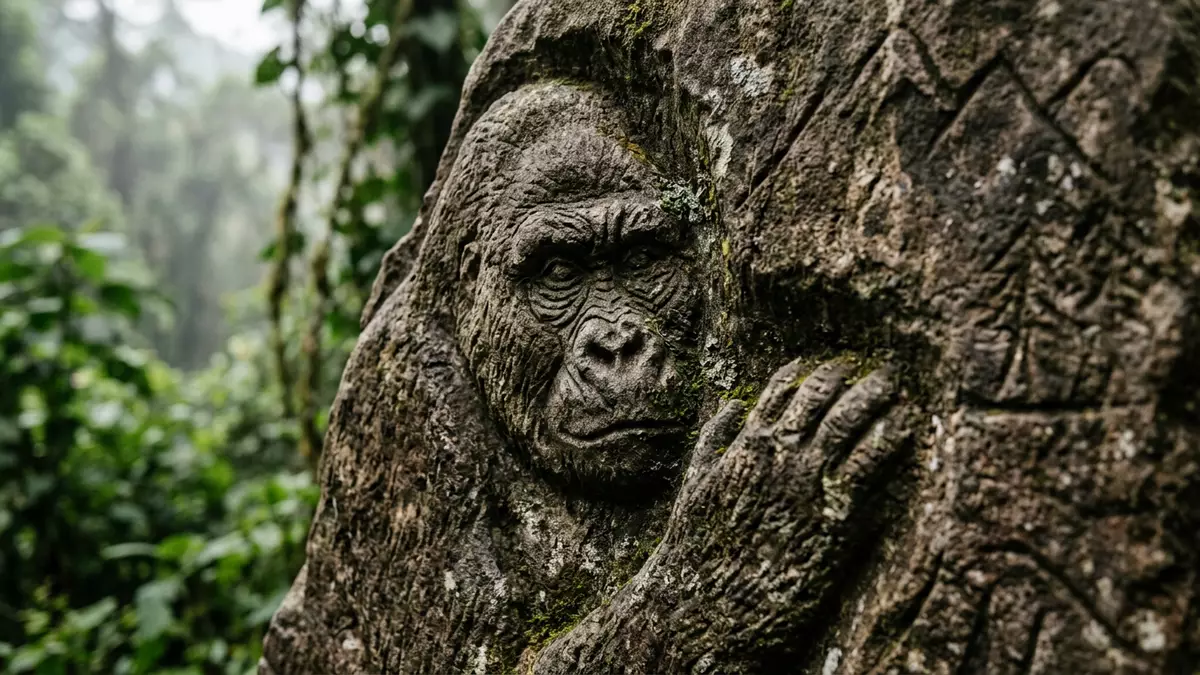
Bwindi Impenetrable National Park in south-western Uganda is a UNESCO-listed forest reserve of ridges, valleys and dense vegetation. Its formal recognition in 1994 places it among Uganda’s protected landscapes with a clearly defined historical identity.
A forest of steep relief and deep cover
The park extends across a broken landscape where narrow valleys cut through a high, forested plateau. That terrain gives the place its name: the vegetation forms a thick cover over slopes and gorges, with little open ground between the trees.
The forest is part of the Albertine Rift zone and sits close to the borders with Rwanda and the Democratic Republic of the Congo. The setting explains the cross-border mountain scenery around it, but the park itself remains a clearly bounded protected area.UNESCO-listed forest
From crown forest to national park
The site’s protected history began under colonial forest management, before it became a national park in 1991. Two years later, the area was placed under a stronger conservation status that reflects its ecological importance and the survival of mountain gorillas.
The World Heritage inscription in 1994 added another layer to that identity. Uganda Wildlife Authority manages the park, and the name Bwindi has become inseparable from the forest itself.national park in 1991
Wildlife, forest layers and mountain gorillas
Bwindi is known for its dense vegetation, but the forest is more than a wall of green. It supports montane and lowland forest, along with a rich range of plants, birds and mammals that depend on the same layered habitat.
Mountain gorillas remain the animal most closely associated with the park, and the forest is one of the main places where they survive in the wild. That makes the park a rare meeting point between broad biodiversity and a single flagship species.World Heritage Site
Visiting Bwindi Impenetrable National Park: what travellers from Western Europe should know
- The park lies in south-western Uganda, with Kabale as a main reference point in the east. Road access runs through the region’s hill country and forested highlands.
- The terrain is steep and heavily wooded, with valleys and ridges across the park. Footwear and clothing need to suit damp ground and uneven slopes.
- The official language is English and the currency is the Ugandan shilling. Entry requirements depend on your nationality; UK travellers can check the FCDO travel advice at gov.uk/foreign-travel-advice, Irish travellers the Department of Foreign Affairs at ireland.ie.
- The park sits within the Kigezi Highlands and near the western Rift Valley. That geography shapes the wider forested landscape around the reserve.
Searching for Bwindi Impenetrable National Park on social platforms
These links open searches for Bwindi Impenetrable National Park on each platform.
Frequently asked questions about Bwindi Impenetrable National Park
Where is Bwindi Impenetrable National Park?
It lies in south-western Uganda, near Kabale and close to the borders with Rwanda and the Democratic Republic of the Congo. The park forms part of the Kigezi Highlands.
What does a visit involve?
The park is a steep, forested landscape rather than a flat reserve. Visitors encounter dense vegetation, uneven ground and a protected mountain habitat.
What makes it distinctive?
Its World Heritage status, mountain gorillas and thick montane forest define the place. The combination of biodiversity and dramatic relief gives it a strong sense of place.


