
Bwindi Impenetrable National Park’s ancient rainforest world
Published on 08/15/2026 at 14:31 | Editorial responsibility: Rafael Müller, Editor-in-Chief AD HOC NEWS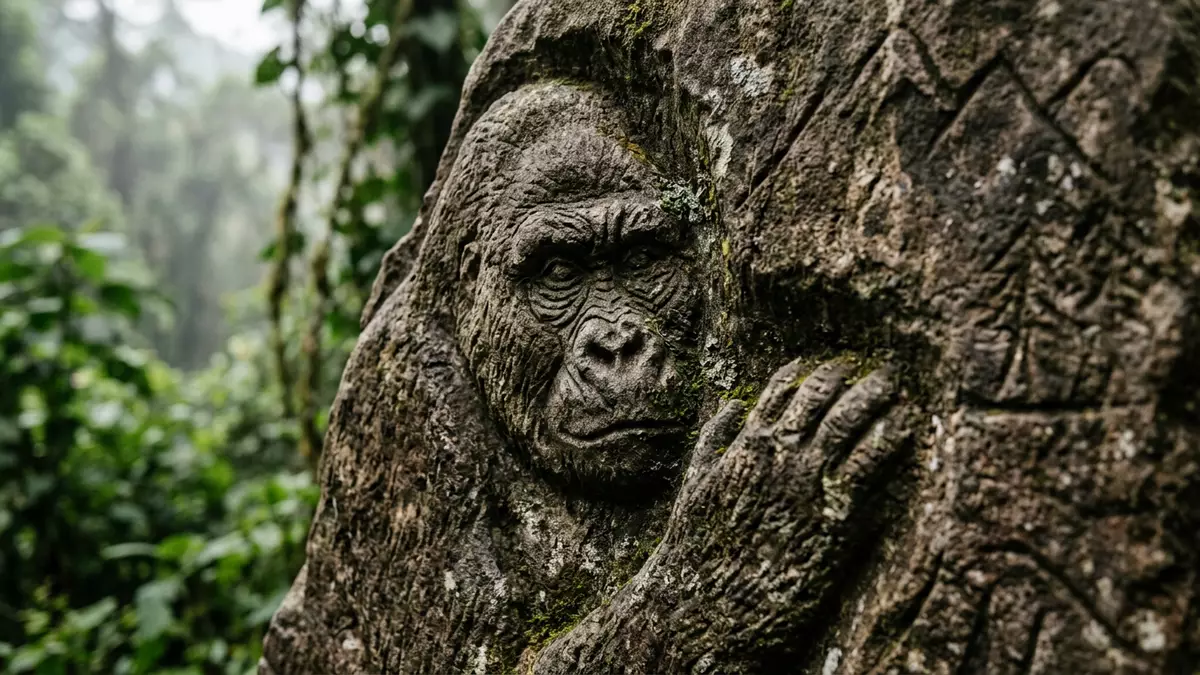
Bwindi Impenetrable National Park in south-western Uganda is a dense Afromontane rainforest where steep slopes, tangled vegetation and rich wildlife create one of Africa’s most intense forest landscapes.Bwindi Impenetrable National Park was established as a national park in 1991 and inscribed as a natural UNESCO World Heritage Site in 1994, recognised for its exceptional biodiversity and dramatic setting at the junction of lowland and montane forest.natural World Heritage values
An ancient Afromontane forest on the Albertine Rift
The core of Bwindi Impenetrable National Park is a block of ancient forest draped over rugged hills on the eastern flank of the Albertine Rift, overlooking the western rift valley.rugged uplands on the Albertine Rift The protected area lies within the Kigezi Highlands, in districts that include Kabale, and extends from elevations around 1,160 m up to roughly 2,600 m (3,800–8,500 ft) above sea level.elevations between 1,190 and 2,607 metres This altitude range compresses lowland and montane forest zones into a relatively compact area, producing sharp vertical shifts in vegetation and climate over short horizontal distances.
The UNESCO inscription records the park area at just over 32,000 hectares, making it one of East Africa’s larger remaining tracts of continuous Afromontane forest.park covers 32,092 ha Within this steep terrain, the forest canopy forms layered crowns above a thick understorey of shrubs, lianas and tree ferns, creating the “impenetrable” character that early travellers noted. Paths and research trails thread between buttressed trunks and across streams, but away from these routes the vegetation quickly closes, reminding visitors that this is a true tropical mountain jungle rather than a manicured reserve.
Biodiversity concentrated in a compact landscape
Bwindi Impenetrable National Park is known for a high concentration of species in a relatively small area, a key reason for its World Heritage status.exceptional biodiversity with many trees and ferns More than 160 tree species have been recorded, along with over 100 fern species; this structural diversity in turn supports communities of birds, butterflies, small mammals and amphibians specialised to different forest strata.over 160 species of trees and over 100 species of ferns The forest survived climatic shifts that reduced many African forests to fragments, leaving Bwindi as a long-term refuge and genetic reservoir for montane rainforest life.
Among the mammals, the mountain gorilla is the best known inhabitant of Bwindi Impenetrable National Park.primary habitat of the endangered mountain gorilla The park forms part of the Bwindi–Sarambwe ecosystem, which shelters a significant share of the world’s remaining mountain gorillas alongside other large mammals such as forest elephants and various primate species.Bwindi-Sarambwe ecosystem Birdlife is rich, with Albertine Rift endemics among the species recorded, and butterfly diversity is similarly high, turning sunny gaps in the canopy into fleeting displays of colour when conditions suit.
Forest trails and steep terrain around Kabale
Bwindi Impenetrable National Park is reached through a network of small towns and trading centres in south-western Uganda, with Kabale providing a regional reference point for travellers from Western Europe. The park’s boundaries touch districts that include Kabale and Kisoro, and its western side meets the border with the Democratic Republic of the Congo near Virunga National Park.location in Kigezi Highlands within Kabale and neighbouring districts Approaches by road climb from cultivated valleys into forested highlands, with views shifting between terraced hillsides and closed canopy.
Inside the park, established routes follow ridges and river valleys, but the underlying terrain remains steep, with long ascents and descents on foot and frequent changes in underfoot conditions. Elevations above 2,000 m (6,600 ft) cover a substantial part of the park, and trails can involve extended sections of steps cut into soil or arranged with timber, as well as natural rock and roots.altitude between about 1,190 m and 2,607 m Footbridges span some streams, while others are crossed on stones or simple timber structures. Visitors encounter forest clearings, rivers and ridge-top viewpoints along these paths, always framed by the close presence of vegetation.
Visiting Bwindi Impenetrable National Park: what travellers from Western Europe should know
- Bwindi Impenetrable National Park lies in south-western Uganda’s Kigezi Highlands, within districts that include Kabale and Kisoro, and is reached by road from regional centres.
- The terrain is steep and uneven, with trails that climb and descend over long stretches, sections of steps, exposed roots and occasional rock, requiring sure footing over sustained periods.
- Many routes involve walking through dense vegetation at elevations above 2,000 m (6,600 ft), so visitors encounter prolonged ascents and descents rather than short, level strolls.
- The official language is English and the currency is the Ugandan shilling.
- Entry requirements depend on your nationality; UK travellers can check the FCDO travel advice at gov.uk/foreign-travel-advice, Irish travellers the Department of Foreign Affairs at ireland.ie.
Searching for Bwindi Impenetrable National Park on social platforms
These links open searches for Bwindi Impenetrable National Park on each platform.
Frequently asked questions about Bwindi Impenetrable National Park
Where is Bwindi Impenetrable National Park located?
Bwindi Impenetrable National Park lies in south-western Uganda in the Kigezi Highlands, within districts that include Kabale, on the eastern edge of the Albertine Rift valley.
What should visitors expect on a visit to Bwindi Impenetrable National Park?
Visitors encounter steep forested terrain, trails through dense Afromontane rainforest, river valleys and ridges, with extended walking at altitude and close contact with rich plant and animal life.
What makes Bwindi Impenetrable National Park distinctive among African parks?
The park combines ancient montane rainforest, exceptional biodiversity documented in its World Heritage status and the presence of mountain gorillas within a compact, steep landscape on the Albertine Rift.


