
Castelul Bran between medieval fortress and royal residence
Published on 09/24/2026 at 03:24 | Editorial responsibility: Rafael Müller, Editor-in-Chief AD HOC NEWS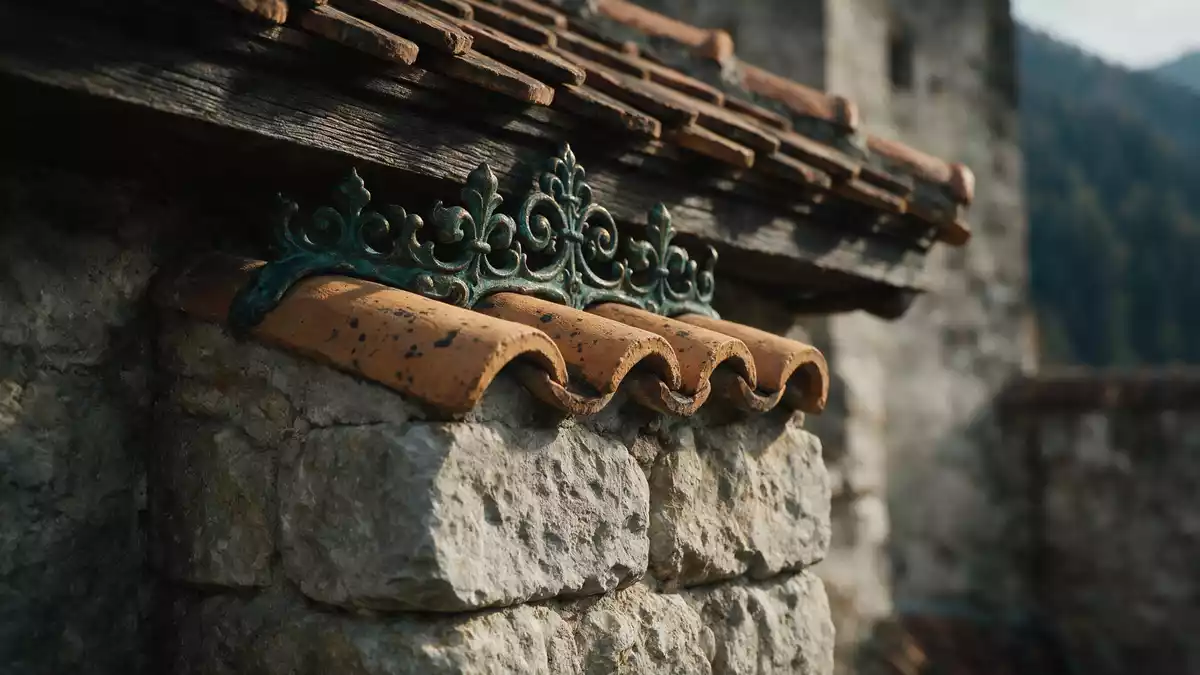
Castelul Bran rises above Bran as a medieval stone fortress with a royal interior. Its towers, courtyards and steep hillside setting belong to the fourteenth century, while Queen Marie of Romania gave the rooms a different character after 1920.
The castle is also linked to Dracula, although its documented history centres on frontier defence, customs and royal life. That meeting of solid medieval masonry and decorated domestic rooms defines Bran.
Castelul Bran begins with a fourteenth-century charter
The first documented foundation of the stone castle is a charter dated 19 November 1377. Louis I of Hungary granted the Saxons of Kronstadt, the city now called Bra?ov, the privilege to build a fortified stone structure at their own expense.
Construction was complete by 1388. The building occupied the Bran Pass between Transylvania and Wallachia, a route across the Carpathians used by merchants and armies. Its early functions included frontier defence and customs administration.
The surviving castle is a layered medieval complex. Irregular masonry walls enclose courtyards, while towers rise from the rocky site. The architecture combines defensive features with rooms intended for residence and administration. Its position above the settlement remains part of its visual identity.
The building changed under different political authorities and through successive repairs. A southern tower was added in the seventeenth century, and other alterations affected the roofs, walls and interior circulation. These changes remain visible in the uneven arrangement of spaces.
From fortified stronghold to Queen Marie’s residence
In 1920, Bra?ov gave the castle to Queen Marie of Romania. She used Castelul Bran as a royal residence and retreat, and the medieval rooms acquired furniture, textiles and objects from the royal collection.
The Czech architect Karel Liman coordinated architectural changes during Marie’s ownership. Liman also worked on Pele? and Peli?or castles. At Bran, the medieval fabric remained visible alongside domestic rooms, carved timber, plastered walls and decorated interiors.
Queen Marie’s period forms a distinct chapter in the castle’s appearance. The building is neither a preserved military shell nor a single-period palace. Its rooms bring together stone stairways, narrow passages, wooden ceilings, tiled surfaces and furnishings associated with Romanian royalty.
Castelul Bran became a museum in 1957. Its displays include royal objects, historical material and elements connected with the castle’s medieval function. The surrounding park contains an open-air ethnographic collection, extending the museum’s subject beyond the fortress walls.
Dracula belongs to Bran’s cultural afterlife
The Dracula association has made Castelul Bran a familiar name far beyond Romania. Bram Stoker’s Count Dracula is a fictional character, and the novel does not establish Bran Castle as the vampire’s residence.
Vlad III, known as Vlad ?epe?, was a fifteenth-century prince of Wallachia associated with the name Dracula. His connection with the Bran region belongs to military and political history, while direct ownership of Castelul Bran is not established.
The castle’s appearance helped sustain the association. Its high walls, timbered rooms, towers and mountain setting resemble the visual language used for Gothic fiction. The physical building, however, carries a history that reaches from the 1377 charter through royal ownership and museum use.
That contrast remains visible inside the castle. Medieval defensive spaces sit beside rooms shaped by Queen Marie’s household, while the Dracula legend exists mainly through literature, film and tourism. Castelul Bran therefore presents a real building with several distinct cultural identities.
Visiting Castelul Bran: what travellers from Western Europe should know
- Castelul Bran is in Bran, in Romania’s Bra?ov County, on the route through the Bran Pass. Road access follows DN73 from Bra?ov towards Bran.
- The castle stands on a steep rocky site. A visit includes stairs, narrow passages, uneven floors and changes in level within the medieval structure.
- The official language is Romanian and the currency is the Romanian leu.
- Entry requirements depend on your nationality; UK travellers can check the FCDO travel advice at gov.uk/foreign-travel-advice, Irish travellers the Department of Foreign Affairs at ireland.ie.
Searching for Castelul Bran on social platforms
These links open searches for Castelul Bran on each platform.
Frequently asked questions about Castelul Bran
Where is Castelul Bran?
Castelul Bran is in Bran, Romania, near Bra?ov. It occupies a rocky rise beside the Bran Pass, between Transylvania and Wallachia.
What can visitors expect inside?
The interior contains medieval stairways, courtyards, narrow passages and rooms associated with Queen Marie. Museum displays present royal furnishings, historical objects and local ethnographic material.
What makes Castelul Bran distinctive?
Its distinctive character comes from the meeting of a fourteenth-century fortress, a twentieth-century royal residence and the literary Dracula tradition.


