
Catedral de Burgos and its centuries of Gothic stone
Published on 09/24/2026 at 09:42 | Editorial responsibility: Rafael Müller, Editor-in-Chief AD HOC NEWS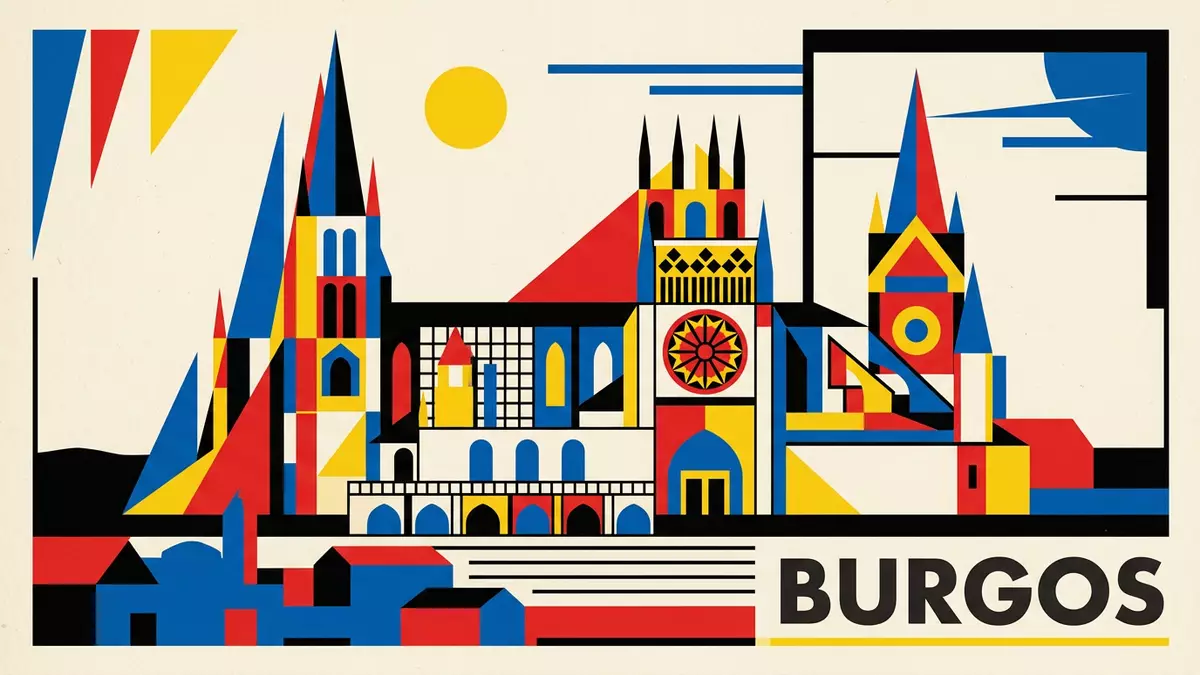
Catedral de Burgos rises from Plaza de Santa María as a layered composition of towers, chapels, cloisters and carved stone. Construction began in 1221 under Ferdinand III of Castile, and the building reached completion in 1567. Its visible character comes from Gothic architecture carried through several centuries.
Catedral de Burgos: a Gothic building in layers
The cathedral belongs to Burgos, a city in Castile and León in northern Spain. Its plan follows a Latin cross, while the exterior gathers pointed arches, pinnacles, tracery and tall towers into a dense urban silhouette. The first building campaign belongs to the thirteenth century, when French Gothic forms were spreading across the Crown of Castile.
The cathedral’s history is recorded in its changing details. Early Gothic work stands beside later Flamboyant Gothic and Renaissance elements, while chapels, portals and decorative features belong to different phases. The result is not a single-period interior, but a long sequence of architectural additions within one religious building.
From Ferdinand III to the completed cathedral
Ferdinand III of Castile and Bishop Maurice are associated with the beginning of the Gothic cathedral in 1221. The building was consecrated in 1260, while major work continued through the fifteenth and sixteenth centuries. Completion is dated to 1567, giving the cathedral a documented span from the high Middle Ages into the Renaissance.
That chronology can be read through the cathedral’s art. Carved portals, choir stalls, altarpieces, tombs and stained-glass windows occupy spaces shaped by different generations of craftsmen. The tomb of El Cid and Doña Jimena connects the cathedral with Castilian history, while the chapels preserve sculpture and painting within the larger Gothic framework.
Towers, chapels and a World Heritage interior
The western towers and their openwork spires form the most recognisable part of the exterior. Inside, the crossing, choir, chapels and cloisters create a sequence of spaces rather than a single uninterrupted hall. Stone ribs, carved screens and painted surfaces share attention with the building’s vertical architecture.
UNESCO lists the cathedral as a World Heritage Site, recognising it as a complete example of Gothic development from the thirteenth to the sixteenth century. The designation covers the building itself and its collection of paintings, choir stalls, reredos, tombs and stained-glass windows. The World Heritage description places Burgos within the wider history of European Gothic art.
The cathedral also carries the formal status of a basilica and serves as the seat of the Archdiocese of Burgos. Its setting on Plaza de Santa María places the main façade beside the historic streets of the city, with the exterior visible as part of the urban fabric. The Spanish tourism description identifies its address in the historic centre.
Visiting Catedral de Burgos: what travellers from Western Europe should know
- Burgos lies in northern Spain, in Castile and León. Catedral de Burgos stands on Plaza de Santa María, beside the historic centre.
- The cathedral is reached through the city streets around Plaza de Santa María. Burgos is connected by rail and road with other Spanish cities.
- The building contains staircases, chapels, cloisters and uneven historic surfaces. Comfortable footwear suits the stone floors and vertical interior routes.
- The official language is Spanish and the currency is the euro.
Searching for Catedral de Burgos on social platforms
These links open searches for Catedral de Burgos on each platform.Frequently asked questions about Catedral de Burgos
Where is Catedral de Burgos?
Catedral de Burgos stands on Plaza de Santa María in Burgos, Castile and León, northern Spain. The square borders the historic centre.
What can visitors expect inside?
The interior contains chapels, cloisters, choir stalls, altarpieces, tombs, paintings and stained-glass windows. Gothic architecture shares the building with later decorative forms.
What makes the cathedral distinctive?
Its construction began in 1221 and was completed in 1567. Towers, chapels and art from several centuries form one World Heritage cathedral.


