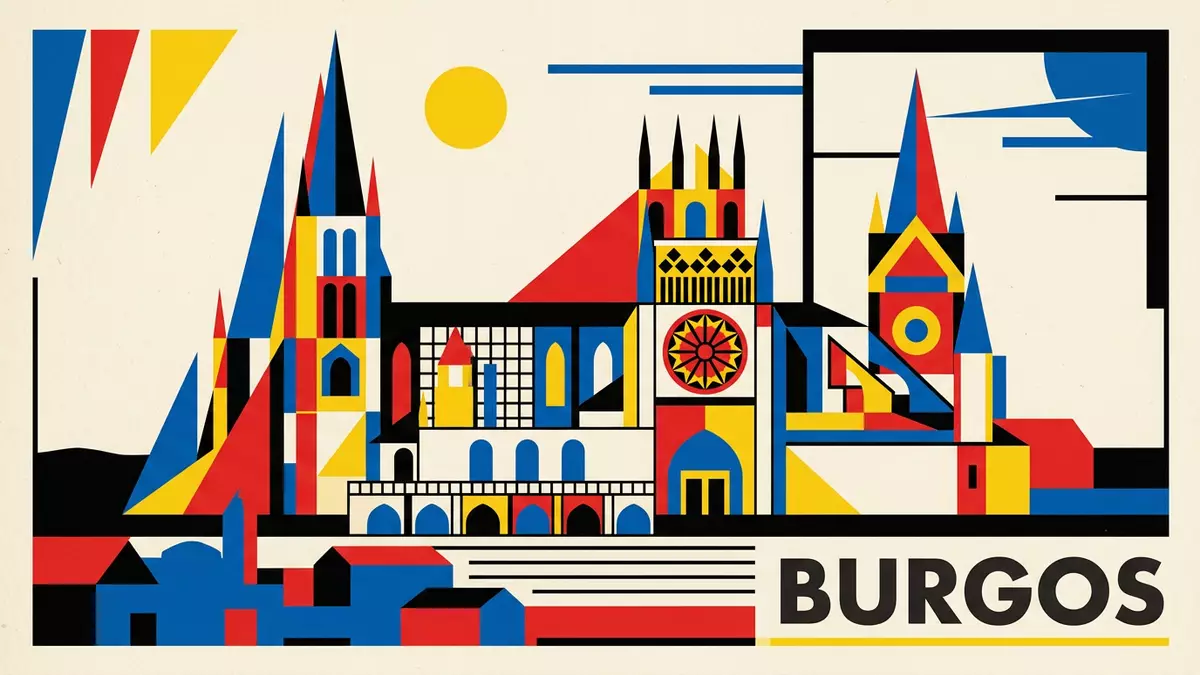
Catedral de Burgos and its lacework stone towers
Published on 08/11/2026 at 15:08 | Editorial responsibility: Rafael Müller, Editor-in-Chief AD HOC NEWS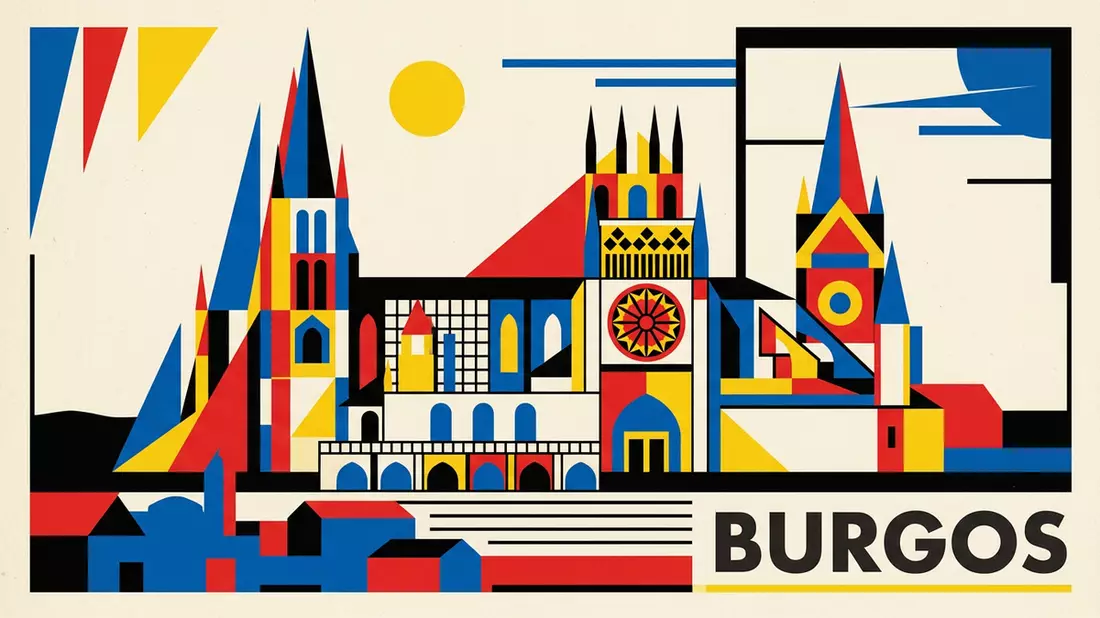
Catedral de Burgos rises above the old centre of Burgos in northern Spain as a vast Gothic cathedral of pale stone, begun in 1221 under Ferdinand III and Bishop Mauricio. Its west front, twin towers and high nave make the building read as both fortress-like mass and intricate carving.
Gothic stone and the royal city
The cathedral belongs to the great Castilian Gothic tradition, with later additions that gave it a more elaborate profile than many churches of its age. The stonework includes pinnacles, tracery and sculpted portals, while the overall mass keeps the building anchored to the city around it.
Inside, the nave rises with the long vertical lines expected of a Gothic church, and the space is organised around chapels, screens and side aisles. The building also preserves the burial setting of Rodrigo Díaz de Vivar, the Cid, and Jimena, which ties it to Burgos’s medieval memory.
From medieval core to layered monument
The cathedral’s long building history left visible layers rather than a single frozen moment. Chapels, vaults, façades and decorative elements belong to different phases, with Renaissance and later interventions sitting beside the medieval core.
That mixture is part of its character. The exterior gives a strong first impression of Gothic height, yet details reward slower looking: carved stone, delicate openwork and the rhythm of the towers against the skyline.
What to look for inside and out
The exterior is strongest where the west front meets the square, with its towers, portals and sculptural detail. On the inside, the choir, chapels and main axis create a sequence of spaces that feels more complex than a simple hall church.
The cathedral is also known for the Staircase of the Golden Stair, the Capilla del Condestable and the lantern over the crossing, each adding a distinct layer to the interior. Together they show how a single cathedral can contain medieval structure, funerary devotion and later artistic ambition.
Visiting Catedral de Burgos: what travellers from Western Europe should know
- Burgos is reached by road and rail from other Spanish cities, with the cathedral in the historic centre.
- Admission arrangements and opening hours are set by the site's operator and change with the season; the official website is the only binding source.
- Spring and autumn suit a visit well, with lighter conditions for walking around the centre and the cathedral square.
- The site involves paved streets, steps and long stretches of standing inside the building.
- Spanish is the local language, and small purchases are often handled by card as well as cash.
- Entry requirements depend on your nationality. UK travellers should check the FCDO travel advice at gov.uk/foreign-travel-advice; Irish travellers the Department of Foreign Affairs at ireland.ie; EU and EEA citizens their own national foreign ministry.
Searching for Catedral de Burgos on social platforms
These links open searches for Catedral de Burgos on each platform.
Frequently asked questions about Catedral de Burgos
Where is Catedral de Burgos?
It stands in Burgos, in northern Spain, close to the historic centre. The cathedral is one of the city’s defining landmarks and dominates the main approaches around it.
What should a visitor expect?
Expect a large Gothic church with a long interior sequence, side chapels and richly worked stone detail. The visit suits anyone interested in architecture, sculpture and Castilian history.
What makes it distinctive?
Its twin towers, layered building history and combination of medieval and later artistic work give it a varied appearance. The presence of the Cid’s burial setting adds another layer to its identity.