Cenotes de Valladolid and their limestone pools
Published on 08/07/2026 at 15:01 | Editorial responsibility: Rafael Müller, Editor-in-Chief AD HOC NEWS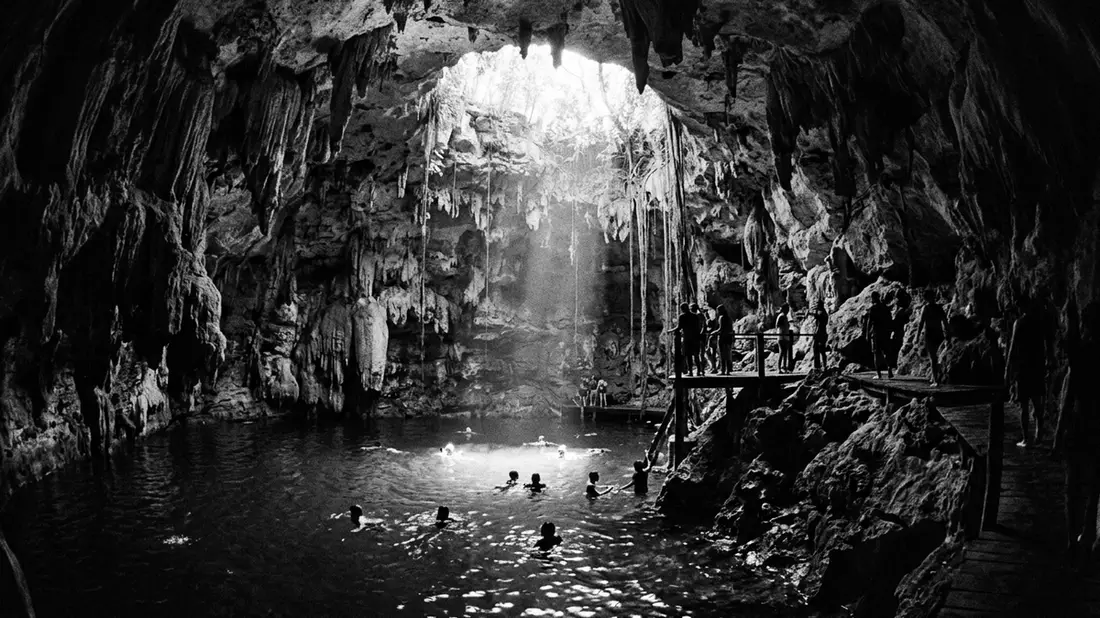
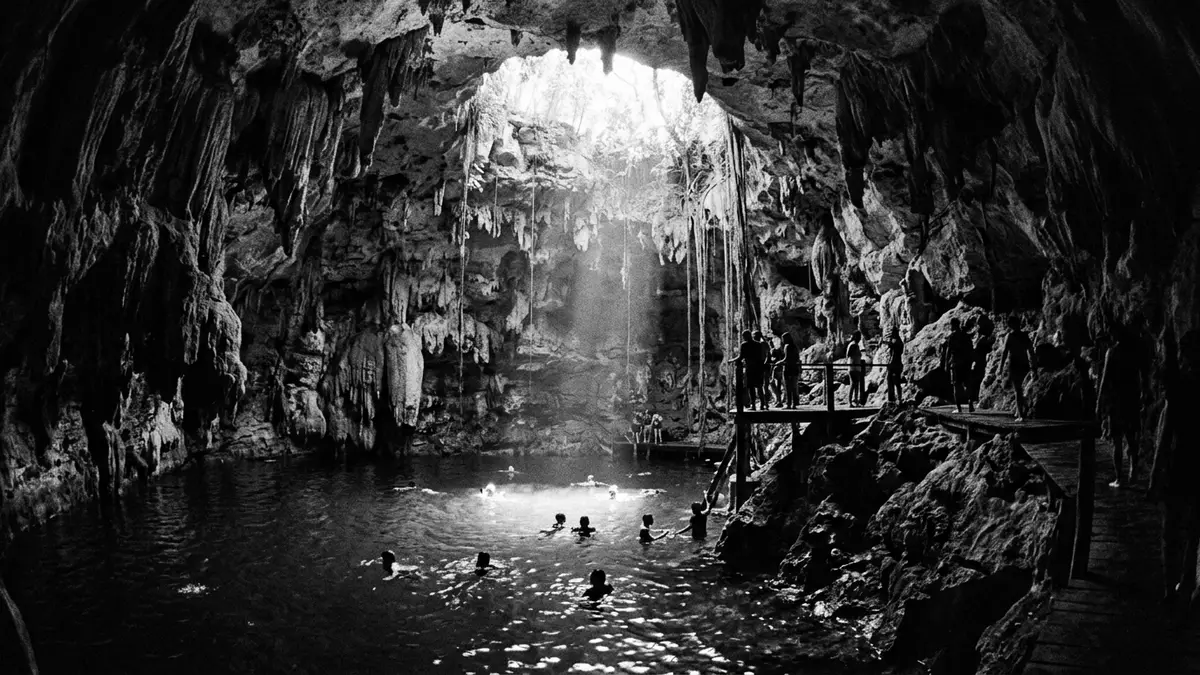
Cenotes de Valladolid are a cluster of limestone sinkholes around Valladolid in Yucatán, Mexico. Formed in the region’s porous karst landscape, they range from open pools to roofed caverns, with water set into dark stone and roots hanging from the edges.
Sinkholes, caves and water in Yucatán
The cenotes around Valladolid are part of a wider underground water system that marks much of the Yucatán Peninsula. The word cenote comes from the Maya word dzonot, and the features themselves are linked to collapsed limestone ground and groundwater-filled chambers.
In and around Valladolid, the best-known cenotes include Zací in the town, and others such as Suytun, Xkekén and Samulá in the surrounding area. Some are open to the sky, while others sit beneath low rock roofs and slender shafts of daylight.
A landscape shaped by limestone
What makes the area memorable is the contrast between the pale, dry surface of Yucatán and the water below it. The cenotes often appear in sinkholes ringed by stone walls, tree roots and hanging vines, with steps descending to the water’s edge.
That contrast gives each site a distinct visual character. Zací sits within Valladolid itself, while Suytun is known for its enclosed chamber and central platform, and Xkekén and Samulá sit in paired caverns reached by stone steps.
Maya territory and colonial Valladolid
The Valladolid area carries both Maya and Spanish colonial history. The city was founded in 1543 by Francisco de Montejo, and the cenotes form part of the older landscape that long predated the colonial grid.
For centuries, cenotes in Yucatán have been central to settlement, agriculture and ritual life. Around Valladolid, that older geography remains visible in the way town streets, rural roads and sinkholes sit close together.
Visiting Cenotes de Valladolid: what travellers from Western Europe should know
- Valladolid is in Yucatán, in south-eastern Mexico. The cenotes are reached from the city by road, often as short trips outside the centre.
- Admission arrangements and opening hours are set by the site's operator and change with the season; the official website is the only binding source.
- Dry months and the middle of the day bring brighter light in the open cenotes, while enclosed chambers keep a more subdued appearance.
- Expect stone steps, uneven ground and, at some sites, a descent into a cavern or sinkhole. Swimming areas may require care on slippery rock.
- Spanish is the main language on site, and small payments are often handled in cash. Restrictions may apply on site.
- Entry requirements depend on your nationality. UK travellers should check the FCDO travel advice at gov.uk/foreign-travel-advice; Irish travellers the Department of Foreign Affairs at ireland.ie; EU and EEA citizens their own national foreign ministry.
Searching for Cenotes de Valladolid on social platforms
These links open searches for Cenotes de Valladolid on each platform.
Frequently asked questions about Cenotes de Valladolid
Where are Cenotes de Valladolid?
They are in and around Valladolid, a city in Yucatán, Mexico. The cenotes sit within the limestone landscape of the Yucatán Peninsula.
What should a visit include?
Most visits involve steps down into a sinkhole or cavern, water at the bottom and rock walls around it. Some cenotes are open, while others are partly covered by stone.
What makes them distinctive?
The cenotes combine clear freshwater, limestone geology and Maya-country landscape in one place. Around Valladolid, that mixture appears in both urban and rural settings.