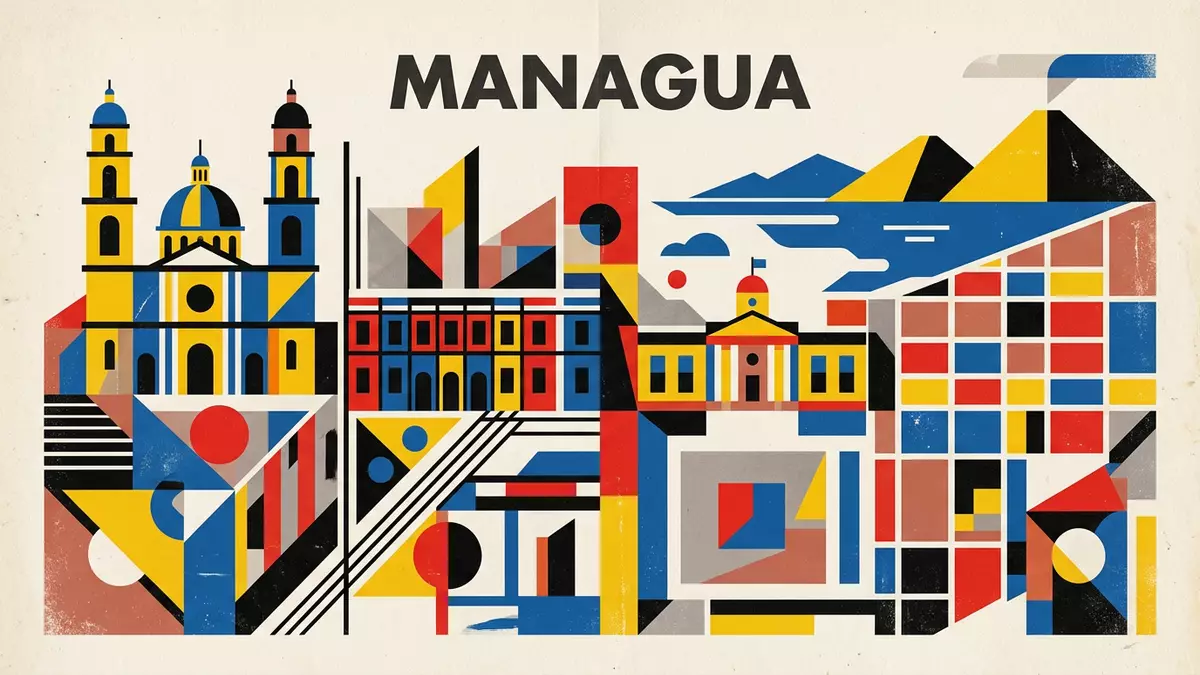
Centro Historico de Managua and its volcanic setting
Published on 08/10/2026 at 15:19 | Editorial responsibility: Rafael Müller, Editor-in-Chief AD HOC NEWS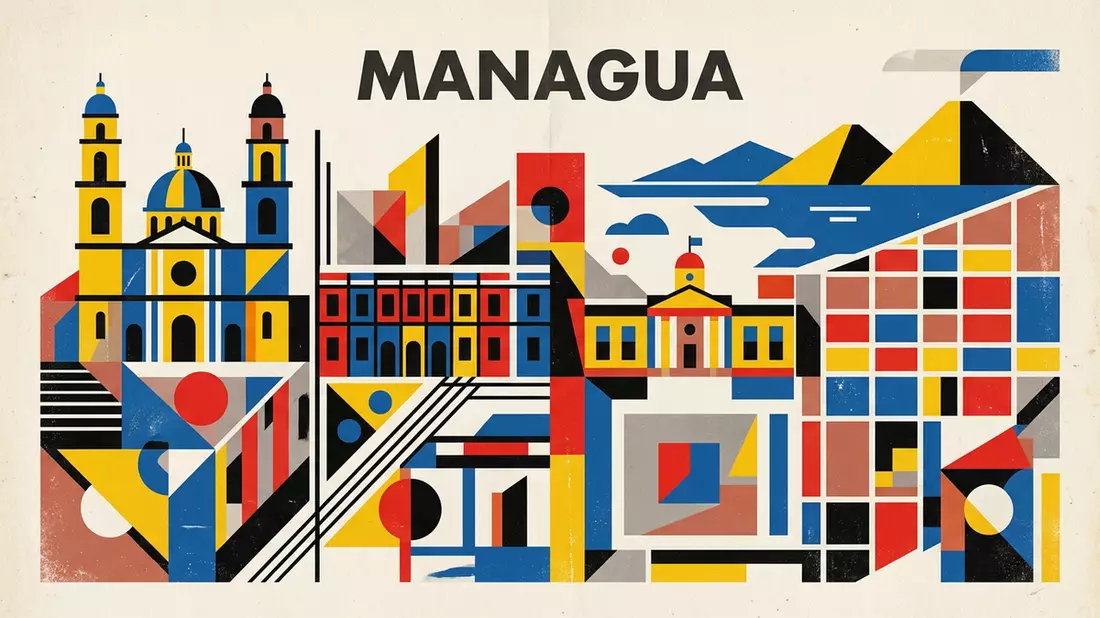
Centro Historico de Managua brings together the civic centre of Nicaragua’s capital and the memory of a city reshaped by earthquake. Its identity is tied to Managua, the national capital, and to the rebuilding that followed the 1972 earthquake.
Managua’s civic core after the 1972 earthquake
The area is associated with the former centre of Managua, where public life, government buildings and ceremonial spaces once stood in compact form. After the earthquake, the city’s centre of gravity shifted, and the historic core became a place of memory as much as administration.
That change gives Centro Historico de Managua a layered character. It is less a single monument than a district where the capital’s political and urban history remains readable in fragments.
Between memory, ruins and open ground
What survives around the historic centre varies from one block to another. Some areas hold restored facades, some preserve traces of older layouts, and some remain open civic ground with broad views across the city.
The landscape around Managua adds a strong physical setting. The city lies beside Lake Xolotlán, with volcanic hills in the wider region, and that geography is part of how the historic centre is experienced on foot.
A place shaped by public life
Centro Historico de Managua is most revealing when read as a record of civic change. It connects the modern capital with earlier urban life and with the long interruption caused by disaster.
For visitors, the area is less about one fixed landmark than about walking through a capital’s remembered centre. Government, commemoration and everyday urban movement all leave their mark there.
Visiting Centro Historico de Managua: what travellers from Western Europe should know
- Managua is reached by road and by air, with the historic centre close to the city’s main urban areas.
- Admission arrangements and opening hours are set by the site's operator and change with the season; the official website is the only binding source.
- The dry season is a practical time for walking, and early morning or late afternoon gives gentler light for exploring outdoors.
- The area includes open streets, uneven ground and stretches best explored on foot.
- Spanish is the main language in Managua, and everyday payments are usually handled in local currency, with cash useful for smaller purchases.
- Entry requirements depend on your nationality. UK travellers should check the FCDO travel advice at gov.uk/foreign-travel-advice; Irish travellers the Department of Foreign Affairs at ireland.ie; EU and EEA citizens their own national foreign ministry.
Searching for Centro Historico de Managua on social platforms
These links open searches for Centro Historico de Managua on each platform.
Frequently asked questions about Centro Historico de Managua
Where is Centro Historico de Managua?
It is in Managua, the capital of Nicaragua, within the city’s historic civic centre. The area sits within the wider urban landscape near Lake Xolotlán.
What should I expect on a visit?
Expect a walk through a district marked by memory, open space and traces of the old capital centre. It suits travellers interested in urban history rather than a single enclosed attraction.
What makes it distinctive?
Its contrast between historic civic importance and the altered post-earthquake city gives it a strong identity. The setting links public history with Managua’s broader landscape.