
Centro Historico de Managua and the city remembered in stone
Published on 09/22/2026 at 19:05 | Editorial responsibility: Rafael Müller, Editor-in-Chief AD HOC NEWS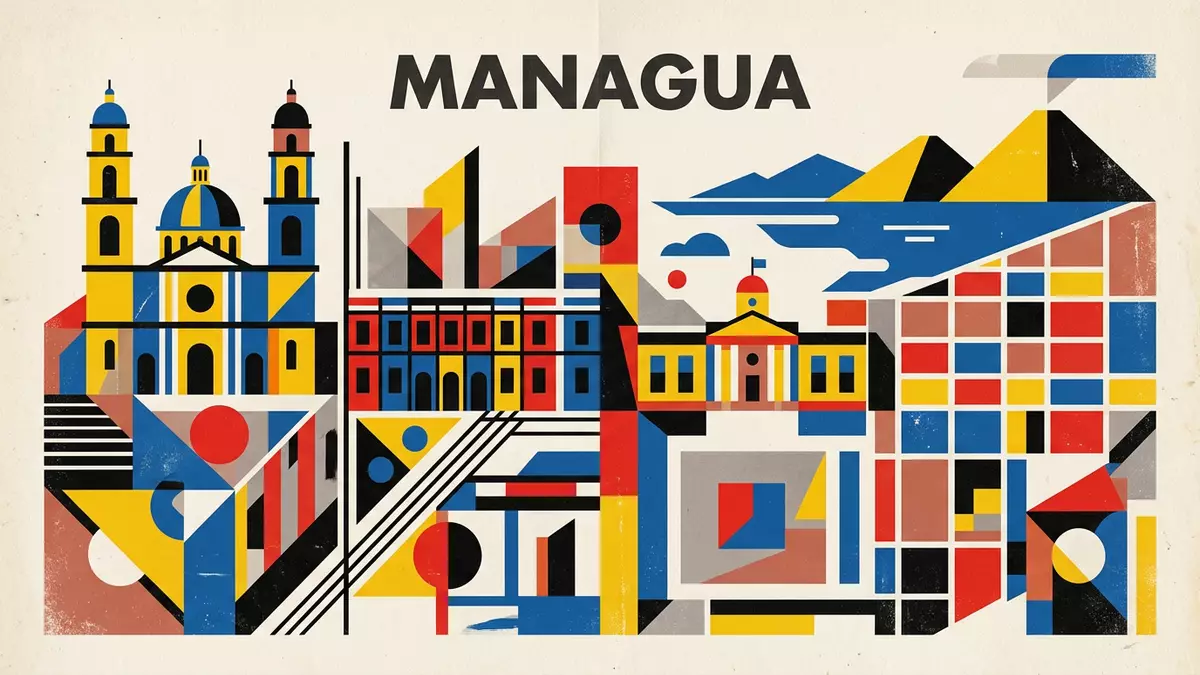
Centro Historico de Managua gathers ruined stone, civic architecture and open plazas beside Lake Managua. The district preserves the setting of the capital’s former urban core, with the Old Cathedral, Plaza de la Revolución and the National Palace of Culture forming its most recognisable group.
Plaza de la Revolución and the outline of old Managua
Plaza de la Revolución is the clearest spatial marker of Centro Historico de Managua. The broad square, formerly called Plaza de la República, lies close to the southern shore of Lake Managua and connects several buildings associated with Nicaragua’s political, religious and cultural history.
The square includes Managua Central Park and monuments linked with national figures, including the poet Rubén Darío and the revolutionary leader Carlos Fonseca Amador. Government buildings and the Casa de los Pueblos add civic functions to the surrounding urban ensemble. The result is an open centre where memorials, public architecture and the lakefront occupy the same historic landscape.
The Old Cathedral as a surviving ruin
The Old Cathedral of Managua, also known as Catedral de Santiago, is the district’s most visible historic landmark. Its neoclassical façade and towers remain standing, while the interior carries the damage caused by the earthquake that struck Managua on 23 December 1972. The Old Cathedral’s 1928 inauguration places the building within the capital’s twentieth-century civic history.
The cathedral’s weathered exterior faces the plaza as a fixed reminder of the city that surrounded it before the earthquake. The building is not simply an isolated church. Its towers, façade and position within the square connect religious architecture with the wider civic plan of old Managua.
National Palace, theatre and cultural memory
Across the plaza stands the National Palace of Culture, a neoclassical civic building that houses the National Museum of Nicaragua and other cultural institutions. Its pale façade and formal portico give the square a second architectural focus beside the damaged cathedral. The historic centre’s principal landmarks include the cathedral ruins, the Culture Palace and the Rubén Darío National Theatre.
The Rubén Darío National Theatre adds a performance venue to the district’s collection of civic and cultural buildings. It belongs to the architectural history of pre-earthquake Managua and remains part of the city’s cultural landscape. Nearby political and administrative buildings add further layers, placing different periods of Nicaraguan public life within the same central area.
The district’s significance lies in the way these elements remain legible together. A ruined cathedral, a national museum, a theatre, public squares and the lakeshore describe Managua through buildings rather than through a single monument. The lakeside civic core preserves that relationship between the square and the former city centre.
Visiting Centro Historico de Managua: what travellers from Western Europe should know
- Centro Historico de Managua lies beside Lake Managua, around Plaza de la Revolución in the capital’s central district. Managua’s urban roads connect the area with the rest of the city.
- The district is an open urban landscape of paved plazas, public buildings and lakeside spaces. The Old Cathedral’s damaged interior remains closed because of structural risk.
- The National Palace of Culture contains the National Museum of Nicaragua. The Rubén Darío National Theatre lies within the same historic district.
- The official language is Spanish and the currency is the Nicaraguan córdoba.
- Entry requirements depend on your nationality; UK travellers can check the FCDO travel advice at gov.uk/foreign-travel-advice, Irish travellers the Department of Foreign Affairs at ireland.ie.
Searching for Centro Historico de Managua on social platforms
These links open searches for Centro Historico de Managua on each platform.
Frequently asked questions about Centro Historico de Managua
Where is Centro Historico de Managua?
It lies in central Managua beside Lake Managua, around Plaza de la Revolución and the city’s principal historic civic buildings.
What can visitors expect to see?
The district contains the Old Cathedral, the National Palace of Culture, Managua Central Park, the Casa de los Pueblos and the Rubén Darío National Theatre.
What makes the district distinctive?
Its landmarks place a damaged neoclassical cathedral, national cultural institutions, public squares and the lakeshore within one historic urban landscape.


