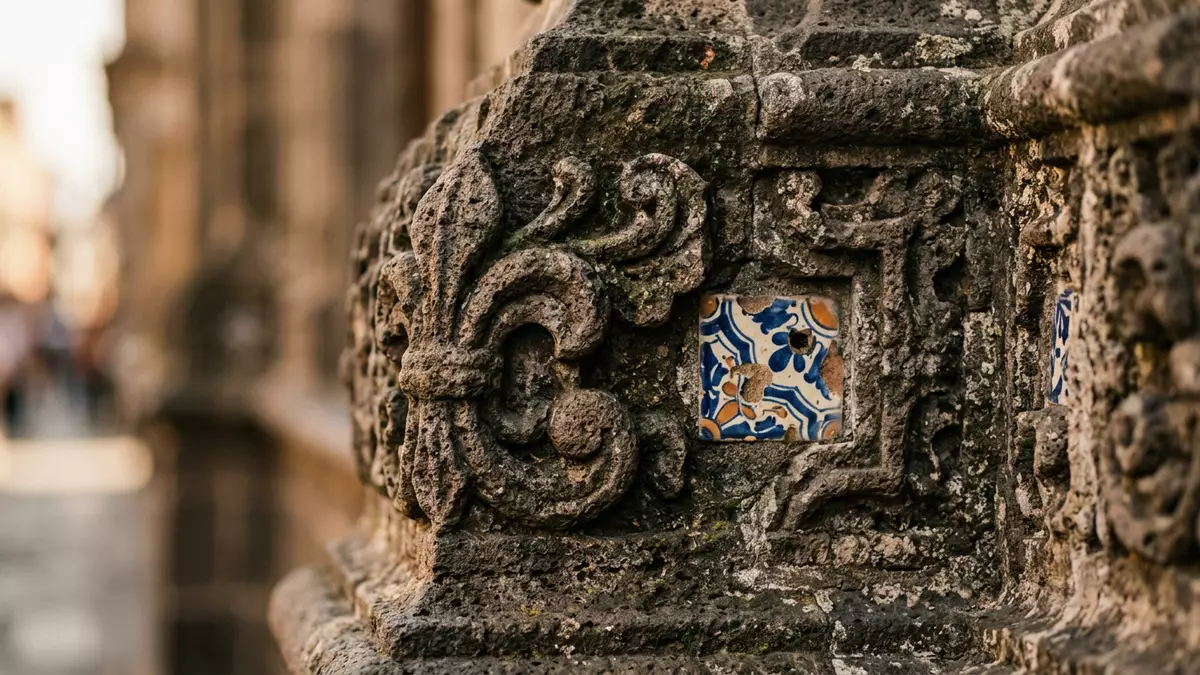
Centro Historico de Puebla and its tiled colonial core
Published on 08/09/2026 at 15:12 | Editorial responsibility: Rafael Müller, Editor-in-Chief AD HOC NEWS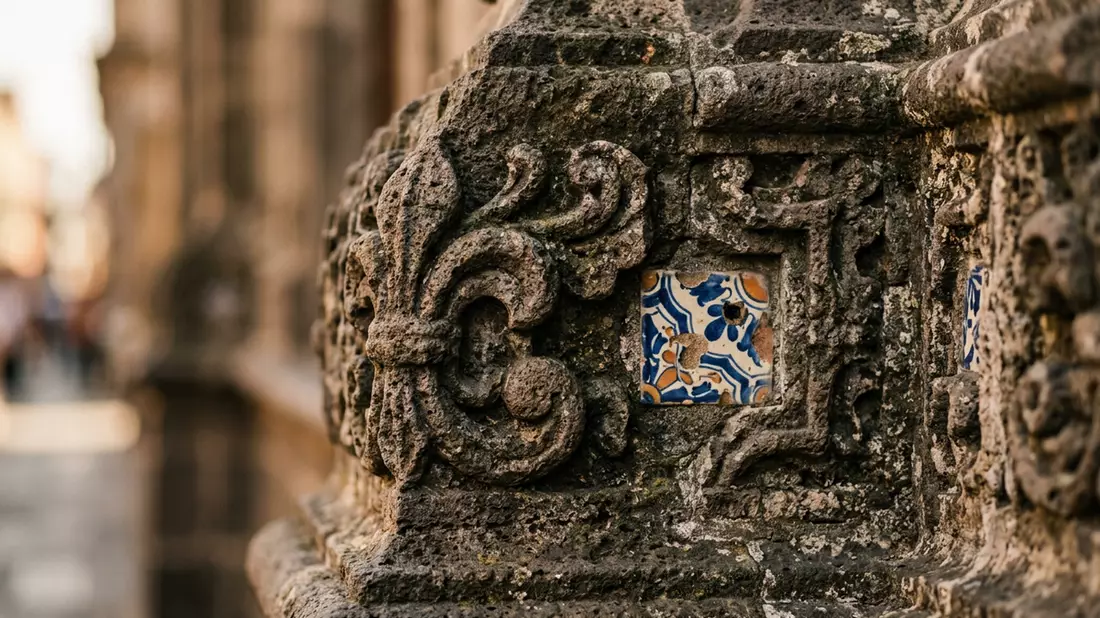
Centro Historico de Puebla is the colonial core of Puebla, laid out in the Spanish period and recognised for its dense streets, churches and tiled façades. Its most enduring image is the meeting of brick, Talavera tile and stone across a compact urban grid.
Puebla’s colonial centre in brick and tile
The centre’s streets hold civic buildings, convents and churches from the colonial era, with many façades covered in glazed ceramic detail. The city of Puebla was founded in 1531, and the historic centre preserves much of that early urban character.
Among its best-known landmarks is the Catedral de Puebla, a major Baroque church whose twin towers rise above the surrounding blocks. Nearby, the Zócalo gives the district a clear public centre, framed by arcades and long-established streets.
Churches, convents and urban streets
The historic centre is noted for the scale and concentration of its religious architecture. Santo Domingo and the Capilla del Rosario are among the places that show the richness of Puebla’s colonial Baroque tradition.
Beyond the churches, the streets themselves carry much of the area’s character. Balconies, courtyards and tiled frontages create a sequence of façades that reward slow walking and close looking.
A UNESCO-listed colonial landscape
Centro Historico de Puebla was inscribed as a UNESCO World Heritage Site in 1987. The designation reflects the survival of an important colonial city plan together with a large body of historic architecture.
The area remains one of the clearest places in Mexico to read the relationship between Spanish colonial design and local craftsmanship. Brickwork, ceramic surfaces and church spires shape the view from many streets, while the grid plan keeps the centre legible on foot.
Visiting Centro Historico de Puebla: what travellers from Western Europe should know
- Puebla is reached from Mexico City by road, and the historic centre lies in the city centre.
- Admission arrangements and opening hours are set by the site's operator and change with the season; the official website is the only binding source.
- Late afternoon and evening suit the historic streets and plazas, when the façades catch low light.
- Expect cobbled streets, frequent church steps and a walk that is easiest in comfortable shoes.
- Spanish is the main language, and small purchases are often paid for in cash as well as by card in larger places.
- Entry requirements depend on your nationality. UK travellers should check the FCDO travel advice at gov.uk/foreign-travel-advice; Irish travellers the Department of Foreign Affairs at ireland.ie; EU and EEA citizens their own national foreign ministry.
Searching for Centro Historico de Puebla on social platforms
These links open searches for Centro Historico de Puebla on each platform.
Frequently asked questions about Centro Historico de Puebla
Where is Centro Historico de Puebla?
It is the historic centre of Puebla in central Mexico, arranged around the city’s older streets and plazas. The district sits within the urban core rather than at the edge of the city.
What should visitors expect?
Expect a walkable centre of churches, civic buildings and tiled façades, with the Zócalo as a natural starting point. The area works well for slow exploration on foot.
What makes it distinctive?
Its combination of colonial street layout, Baroque churches and Talavera tile gives it a clear identity. The UNESCO listing also reflects the survival of an unusually coherent historic city centre.