
Chobe National Park and the riverfront world of elephants
Published on 09/23/2026 at 17:52 | Editorial responsibility: Rafael Müller, Editor-in-Chief AD HOC NEWS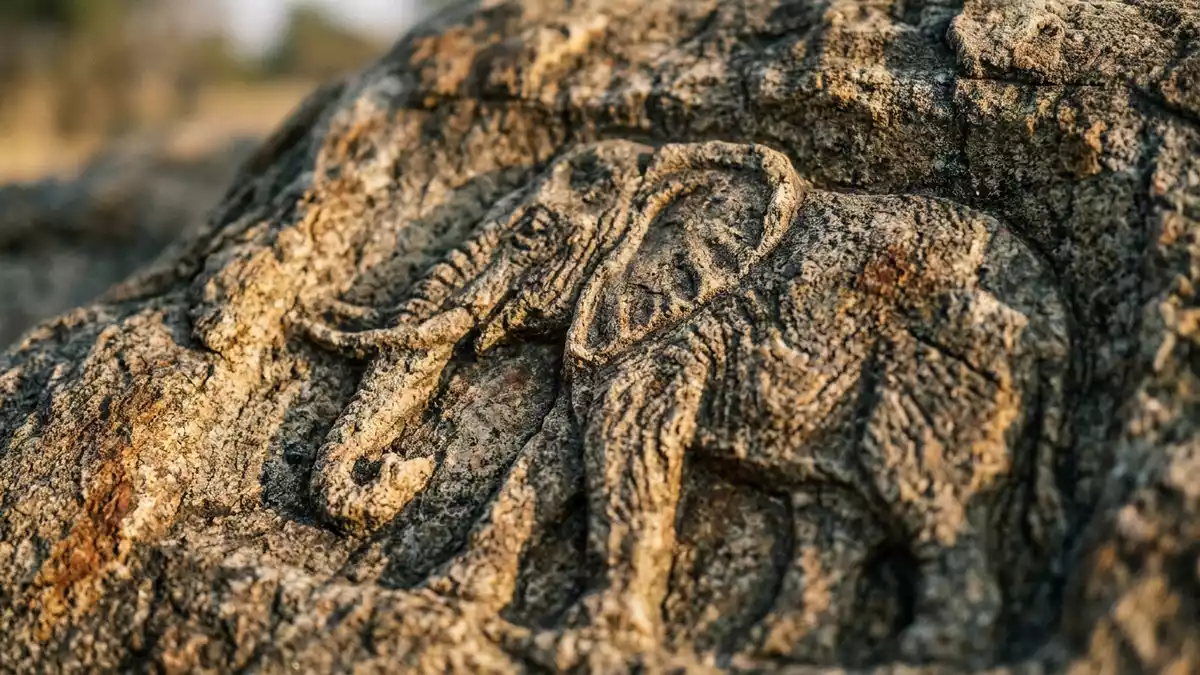
Chobe National Park is a broad protected landscape in northern Botswana, with Kasane beside its riverfront gateway. Its defining feature is the meeting of water and dry country: the Chobe River borders floodplains, woodland and open savannah, while elephants gather along the river corridor. Established in 1968, the park covers approximately 11,700 square kilometres.
Chobe National Park: where river and savannah meet
The Chobe River forms the park’s northern boundary and gives the protected area its name. It rises in the northern Angolan highlands before reaching Botswana at Ngoma, where its channels and floodplain shape a landscape of water, grass and woodland. Botswana’s Chobe landscape includes floodplains, swamps and woodland.
The park contains four named geographical areas: the Chobe Riverfront, the Ngwezumba pans, Savuté and Linyanti. These areas give Chobe a varied physical character, from riverine habitats and seasonal wetlands to drier woodland and open plains. The riverfront near Kasane is the most accessible part of this large protected region, while Savuté and Linyanti extend the park into more remote landscapes.
Across the park, vegetation changes with water and soil. Grasses occupy open ground, trees line waterways and woodland covers much of the interior. The Chobe Riverfront carries a strong visual contrast between reflective water and dry land, particularly where animals approach the banks.
Elephants, hippos and the Chobe riverfront
Chobe National Park is closely associated with large herds of African bush elephants. The animals move through woodland and floodplain, then gather near the river when water and green vegetation are concentrated along its banks. This connection between elephant country and the Chobe River defines the park’s best-known wildlife setting.
Elephants share the landscape with buffalo, giraffes, zebras, hippos and several antelope species. Waterbuck, lechwe, puku, kudu, roan, sable, impala, warthog and bushbuck are recorded among the park’s mammals. Lions, leopards, hyenas and jackals occupy the same wider ecosystem. Chobe’s wildlife habitats include river margins, floodplains and woodland.
The park also has a substantial birdlife record, with more than 460 species documented. Water-associated birds use the river and wetlands, while woodland species occupy the interior. The result is a landscape where wildlife is not confined to one setting: riverbanks, marshes, pans and dry country each carry their own groups of animals.
Boat excursions on the Chobe River present the park from the water, with islands, channels and banks forming the immediate scenery. Land-based drives cross the riverfront and adjoining woodland. The two forms of movement reveal different parts of the same protected landscape, without reducing Chobe to a single viewpoint.
From game reserve to Botswana’s first national park
The history of Chobe National Park belongs to Botswana’s developing system of wildlife protection. The region was used by Indigenous communities before becoming associated with exploration and hunting during the nineteenth century. David Livingstone passed through the wider area in the 1850s during his travels towards Victoria Falls.
The protected area was established as a game reserve in 1960 and became a national park in 1968. Chobe is Botswana’s first national park. Its boundaries now contain a set of landscapes linked by the wider Kavango–Zambezi Transfrontier Conservation Area, which connects protected regions across Botswana, Namibia, Zambia, Zimbabwe and Angola.
The park’s name comes from the Chobe River, whose northern course forms part of the boundary with Namibia. Kasane lies beside this river and functions as the principal town associated with access to the riverfront. Across the water, Namibia’s Zambezi Region occupies the opposite bank.
Chobe therefore combines a clear historical identity with a visible geographical one. Its national-park status dates from 1968, while its physical character is read through watercourses, floodplains, woodland and animals moving between them.
Visiting Chobe National Park: what travellers from Western Europe should know
- Chobe National Park lies in northern Botswana beside Kasane. The park’s riverfront is reached from Kasane by road, while river excursions depart from the Chobe River.
- The landscape includes floodplains, swamps, woodland, pans and open savannah. Game drives and river journeys cover different terrain and require movement through a large protected area.
- The Chobe River forms the northern boundary and separates the park from Namibia’s Zambezi Region. Kasane is close to the meeting area of Botswana, Namibia, Zambia and Zimbabwe.
- The official language is English and the currency is the Botswana pula.
- Entry requirements depend on your nationality; UK travellers can check the FCDO travel advice at gov.uk/foreign-travel-advice, Irish travellers the Department of Foreign Affairs at ireland.ie.
Searching for Chobe National Park on social platforms
These links open searches for Chobe National Park on each platform.
Frequently asked questions about Chobe National Park
Where is Chobe National Park?
Chobe National Park lies in northern Botswana beside the town of Kasane. The Chobe River forms its northern boundary near Namibia, with Zambia and Zimbabwe also close to the region.
What can visitors expect in Chobe National Park?
The park offers river journeys and land-based wildlife drives across floodplains, woodland, pans and savannah. Elephants, buffalo, hippos, giraffes, antelope and predators inhabit these connected environments.
What makes Chobe National Park distinctive?
Its identity comes from the relationship between the Chobe River and large elephant herds. The park also combines four named landscapes with a recorded birdlife of more than 460 species.


