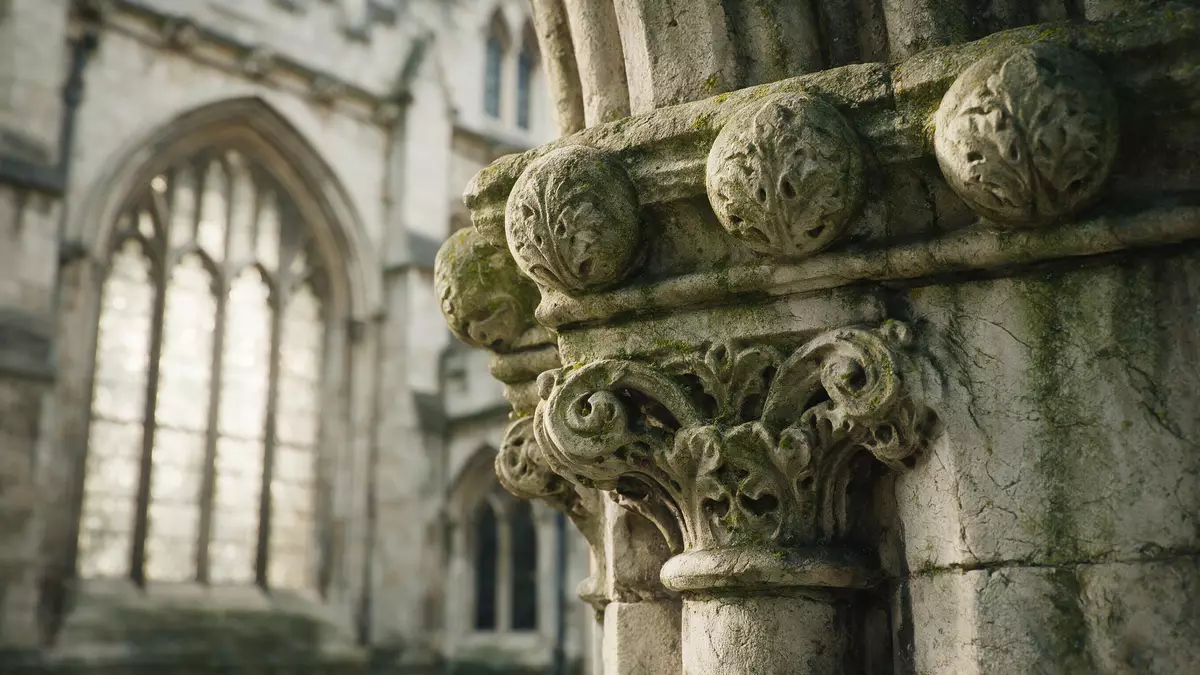
Colaiste na Trionoide and Dublin’s college greens
Published on 08/11/2026 at 15:03 | Editorial responsibility: Rafael Müller, Editor-in-Chief AD HOC NEWS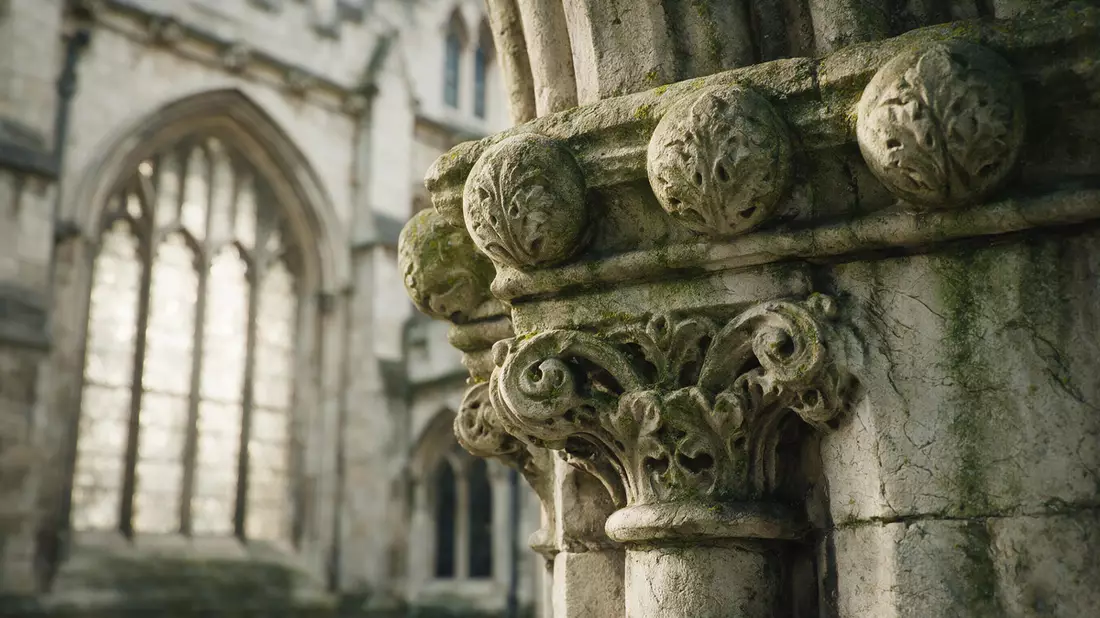
Colaiste na Trionoide in Dublin is Trinity College, the long-established university campus best known for its classical courts, stone facades and central green. Founded by Elizabeth I in 1592, it remains one of the clearest historic ensembles in the city.
Elizabethan foundations and later courts
The college began in the late sixteenth century, and its present arrangement brings together buildings from different periods around open squares. That mix gives the campus a layered look: one turn reveals older stone ranges, another a more formal academic frontage.
The name Colaiste na Trionoide points to the same institution that English speakers call Trinity College Dublin. The association with Elizabeth I and 1592 is part of the site’s core identity, alongside its role as a university in the centre of Dublin.
Stone fronts and open quadrangles
The campus is organised around courtyards, lawns and long ranges of masonry. The Old Library and the Book of Kells exhibition are among the most familiar elements, and the library’s long interior is one of the college’s defining spaces.
Many visitors come for the contrast between enclosed academic courts and broad pedestrian routes. The atmosphere shifts from formal facades to open lawns, with the city close by on every side.
A working university in the city centre
Colaiste na Trionoide is not only a historic site but a functioning university, with teaching, research and ceremonial life still centred there. That double role gives the campus a particular character, since the buildings are part monument and part daily academic landscape.
The college also remains closely tied to Dublin’s cultural life through its libraries, colleges and ceremonial spaces. Its best-known buildings belong to a long academic tradition that begins in the reign of Elizabeth I and continues through later centuries of expansion.
Visiting Colaiste na Trionoide: what travellers from Western Europe should know
- It is in central Dublin and is reached on foot, by bus, by tram and by rail connections into the city.
- Admission arrangements and opening hours are set by the site's operator and change with the season; the official website is the only binding source.
- Late morning and early afternoon bring the fullest sense of the campus courts, while quieter moments often come at the edges of the day.
- The college is mostly level underfoot, but some parts involve steps, worn paving and longer walks between buildings.
- English is the main language on site, and card payment is widely used in Dublin. Restrictions may apply on site.
- Entry requirements depend on your nationality. UK travellers should check the FCDO travel advice at gov.uk/foreign-travel-advice; Irish travellers the Department of Foreign Affairs at ireland.ie; EU and EEA citizens their own national foreign ministry.
Searching for Colaiste na Trionoide on social platforms
These links open searches for Colaiste na Trionoide on each platform.
Frequently asked questions about Colaiste na Trionoide
Where is Colaiste na Trionoide?
It stands in central Dublin, beside streets that place it close to the city’s main pedestrian routes. The campus is one of the best-known academic settings in Ireland.
What should a visitor expect?
Expect a university campus with courts, lawns, libraries and stone buildings rather than a single enclosed monument. Walking between the main spaces takes time, and some surfaces are uneven.
What makes it distinctive?
Its combination of Elizabethan origin, later collegiate architecture and an active university function gives it a strong identity. The association with 1592, Elizabeth I and the Old Library remains central to how people recognise it.