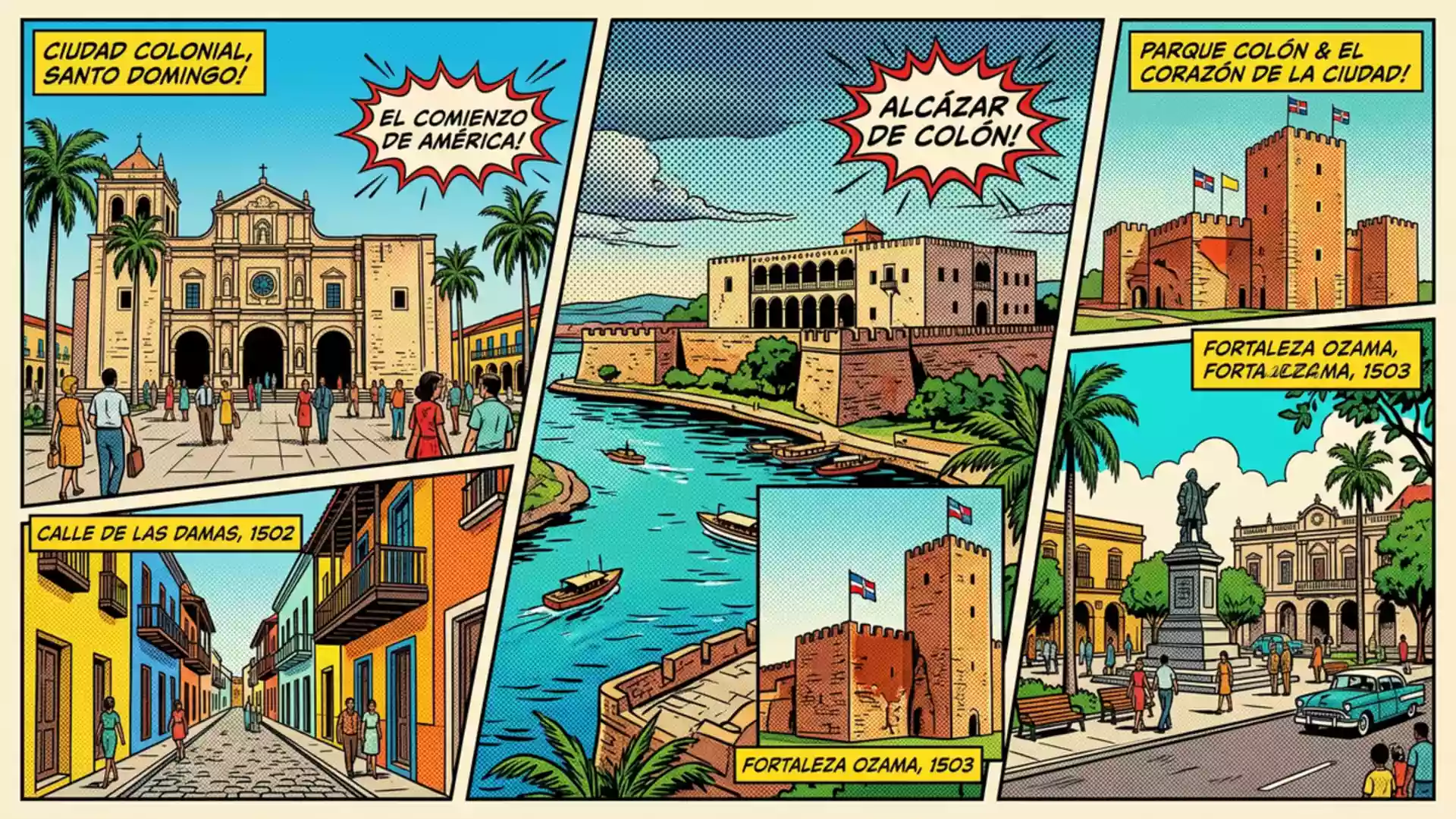
Colonial City of Santo Domingo completes works on 19 October
Published on 11/14/2026 at 13:02 | Editorial responsibility: Rafael Müller, Editor-in-Chief AD HOC NEWSRoad works and heritage setting
- Tourism Minister David Collado handed over renewed streets on 19 October 2026.
- Colón and Hostos received paving, drainage, lighting and street furniture improvements.
- UNESCO lists the historic centre as a World Heritage property inscribed in 1990.
- The site covers 106 hectares and includes 32 streets across 116 blocks.
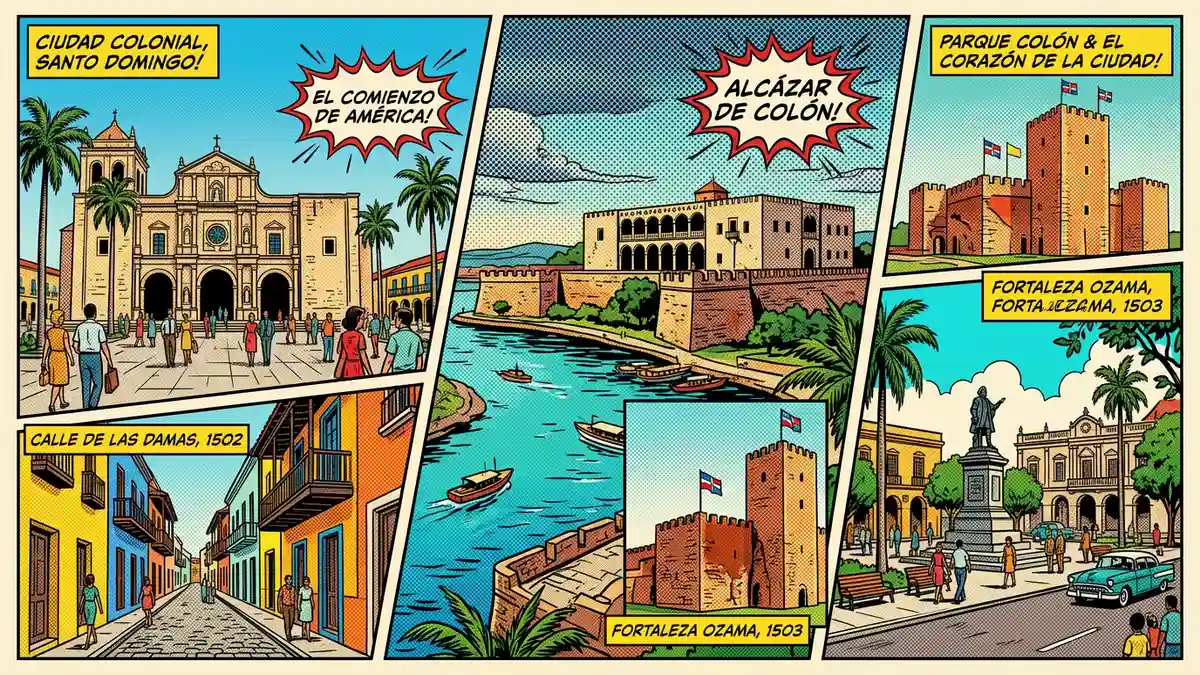
Colonial City of Santo Domingo has completed a street rehabilitation phase in Santo Domingo, with the local historic district receiving renewed sections of Colón and Hostos on 19 October 2026. Tourism Minister David Collado handed over the works as part of a wider programme addressing urban infrastructure and heritage recovery.
Street rehabilitation finished on 19 October
The completed phase covered Colón Street and northern and southern sections of Hostos Street. The Ministry of Tourism said the intervention was intended to improve pedestrian and vehicle movement while recovering the historic character of the surrounding urban fabric.
On Colón, the works covered the section between Vicente Celestino Duarte and Fuerte del Ángulo. The project included new paving, concrete pavements, stormwater drainage repairs, street drains, benches, bollards, planters and road signs. Northern Hostos received renewed pavement and red paving slabs, while the southern section gained new surfaces and drainage improvements.
The handover was part of the Priority Streets Rehabilitation Plan. The official announcement states that the final stage of the wider programme is due to conclude in December, after which the remaining construction-related street closures are expected to end. The 19 October handover announcement names both the streets and the historic district.
A 1498 grid meets a modern access project
The road works affect a place whose present urban form reaches back to the late fifteenth century. UNESCO says the town was founded in 1498 and laid out on a grid that later influenced town planning across the New World. Its position at the mouth of the Ozama places the historic centre within Santo Domingo on the southern coast of Hispaniola.
The connection between the new works and the older setting is practical rather than symbolic: paving, drainage, lighting and street furniture are being added within a street plan that UNESCO describes as substantially intact. The organisation records 32 streets crossing 116 blocks inside a World Heritage property of 106 hectares. The site was inscribed on the World Heritage List in 1990.
That scale helps explain why a small number of renewed corridors can matter to a visit. Colón and Hostos are not isolated attractions, but working streets within a compact historic centre where movement between churches, museums, squares and fortified remains forms part of the experience. The UNESCO site description records the surviving grid, walls, bastions and forts.
December works will shape remaining access
The 19 October completion does not mark the end of every intervention in the district. The Ministry of Tourism said outstanding projects are scheduled for completion in December, and that the associated street closures should then end. Travellers therefore encounter a district with newly delivered sections alongside areas still affected by the broader rehabilitation programme.
The works also sit within a longer effort to improve the setting around historic monuments, churches and museums. For visitors, the immediate change is on the named streets: renewed surfaces and drainage on Colón and Hostos, with further construction activity still relevant elsewhere in the centre.
Visiting Colonial City of Santo Domingo: what travellers from Western Europe should know
- The relevant street rehabilitation phase was handed over on 19 October 2026 in Colón Street and the northern and southern sections of Hostos Street.
- The delivered sections have renewed paving and drainage, while the wider programme continues until December 2026 and may affect other streets.
- The historic centre stands at the mouth of the Ozama in Santo Domingo and is arranged around 32 streets and 116 blocks.
- Entry requirements depend on your nationality; UK travellers can check the FCDO travel advice at gov.uk/foreign-travel-advice, Irish travellers the Department of Foreign Affairs at ireland.ie.
Searching for Colonial City of Santo Domingo on social platforms
These links open searches for Colonial City of Santo Domingo on each platform.
Frequently asked questions about Colonial City of Santo Domingo
What changed at Colonial City of Santo Domingo?
Colón Street and sections of Hostos received renewed paving, drainage, lighting and street furniture in the phase handed over on 19 October 2026.
Where is Colonial City of Santo Domingo and how do you get there?
The historic centre is in Santo Domingo at the mouth of the Ozama on Hispaniola's southern coast.
What is Colonial City of Santo Domingo?
It is the historic urban centre founded in 1498, arranged on a grid and inscribed as a UNESCO World Heritage property in 1990.