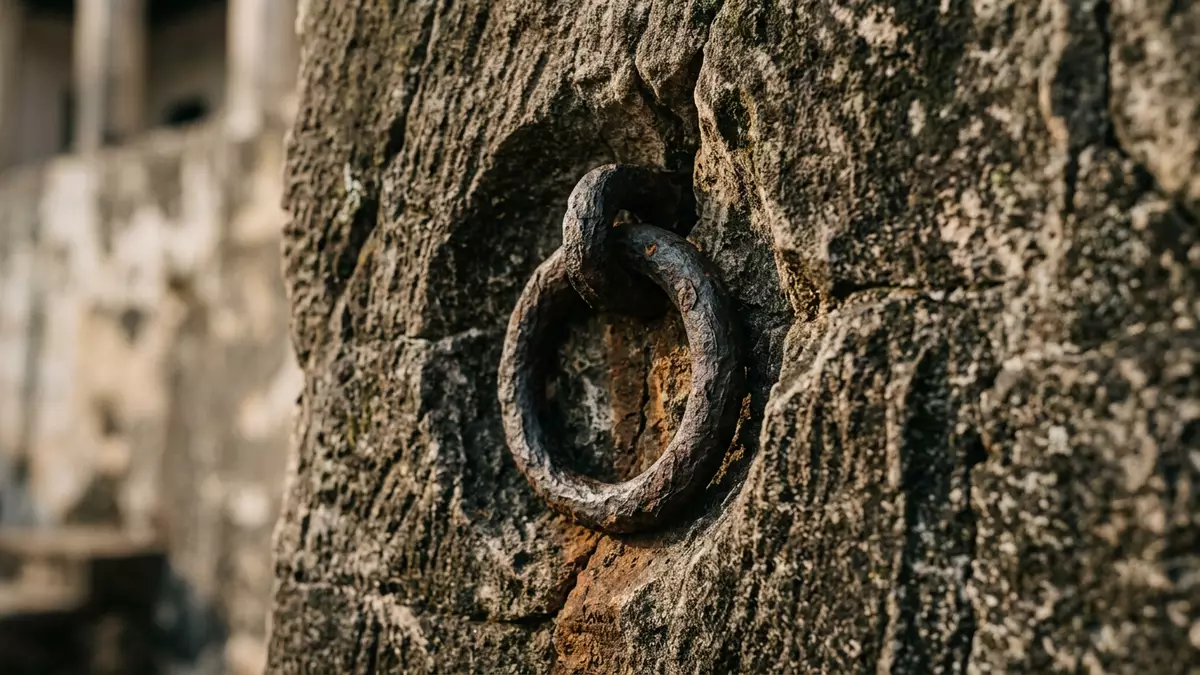
Elmina Castle and the stark Atlantic fortress on Ghana’s coast
Published on 08/09/2026 at 15:10 | Editorial responsibility: Rafael Müller, Editor-in-Chief AD HOC NEWS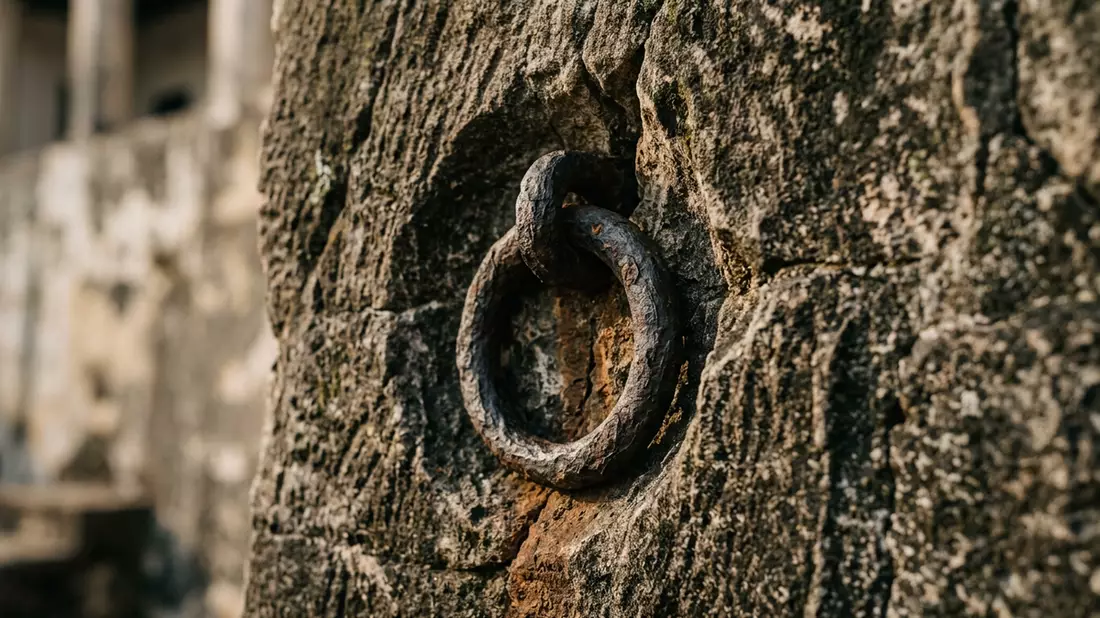
Elmina Castle rises above the harbour at Elmina as a stone Atlantic fortress associated with Portuguese rule and later Dutch control. Built in the fifteenth century, it is one of the oldest European structures in sub-Saharan Africa and remains a powerful presence on Ghana’s coast.
Portuguese stone on the Gulf of Guinea
The castle’s first Portuguese phase began in 1482 under King John II, who ordered the construction of São Jorge da Mina. The building is a whitewashed fortress of thick masonry, courtyards and ramparts, with the sea pressing close to its outer walls.
That early date matters because the place belongs to the opening chapter of European maritime expansion along West Africa. The structure still reads as a coastal stronghold, with defensive walls, chambers and a commanding position above the shoreline.
From trade post to historic monument
Elmina Castle later passed to the Dutch in 1637, and the present ensemble reflects that long period of reworking and use. The castle became part of the Atlantic trading world, and its later history is inseparable from the wider history of the Gold Coast.
The building also stands as a reminder of the transatlantic slave trade. Its courtyards, gateways and confined interior spaces carry that association into the present, giving the site a sombre character that differs from many other coastal monuments.
Rooms, walls and sea-facing heights
The visitor sees a compact fortress with high exterior walls, narrow passages and a sequence of enclosed spaces. The sea-facing position gives the castle a strong relationship with the harbour and the water beyond it.
Its materials are part of the experience too. Stone, limewash and weathered surfaces dominate, while the mass of the building gives it an austere profile against the coast.
Visiting Elmina Castle: what travellers from Western Europe should know
- The site is in Elmina, in Ghana, and is reached by road from Cape Coast and other places on the coast.
- Admission arrangements and opening hours are set by the site's operator and change with the season; the official website is the only binding source.
- The coast is a good destination in the drier part of the year, when travel conditions are often more straightforward.
- The castle has steps, uneven stone surfaces and enclosed rooms, so comfortable footwear is sensible.
- English is widely used in Ghana, and local payments may be made in Ghanaian cedi.
- Entry requirements depend on your nationality. UK travellers should check the FCDO travel advice at gov.uk/foreign-travel-advice; Irish travellers the Department of Foreign Affairs at ireland.ie; EU and EEA citizens their own national foreign ministry.
Searching for Elmina Castle on social platforms
These links open searches for Elmina Castle on each platform.
Frequently asked questions about Elmina Castle
Where is Elmina Castle?
It stands in Elmina on Ghana’s coast, facing the Atlantic near the harbour. Cape Coast lies along the same stretch of shoreline.
What should visitors expect?
Expect stone rooms, ramparts, courtyards and uneven steps inside a fortress with a serious historical atmosphere. The sea views and the enclosed spaces are part of the visit.
What makes it distinctive?
Its fifteenth-century Portuguese origin, later Dutch history and direct link to Atlantic trade give it unusual historical depth. The castle’s scale and coastal position make that history visible at a glance.