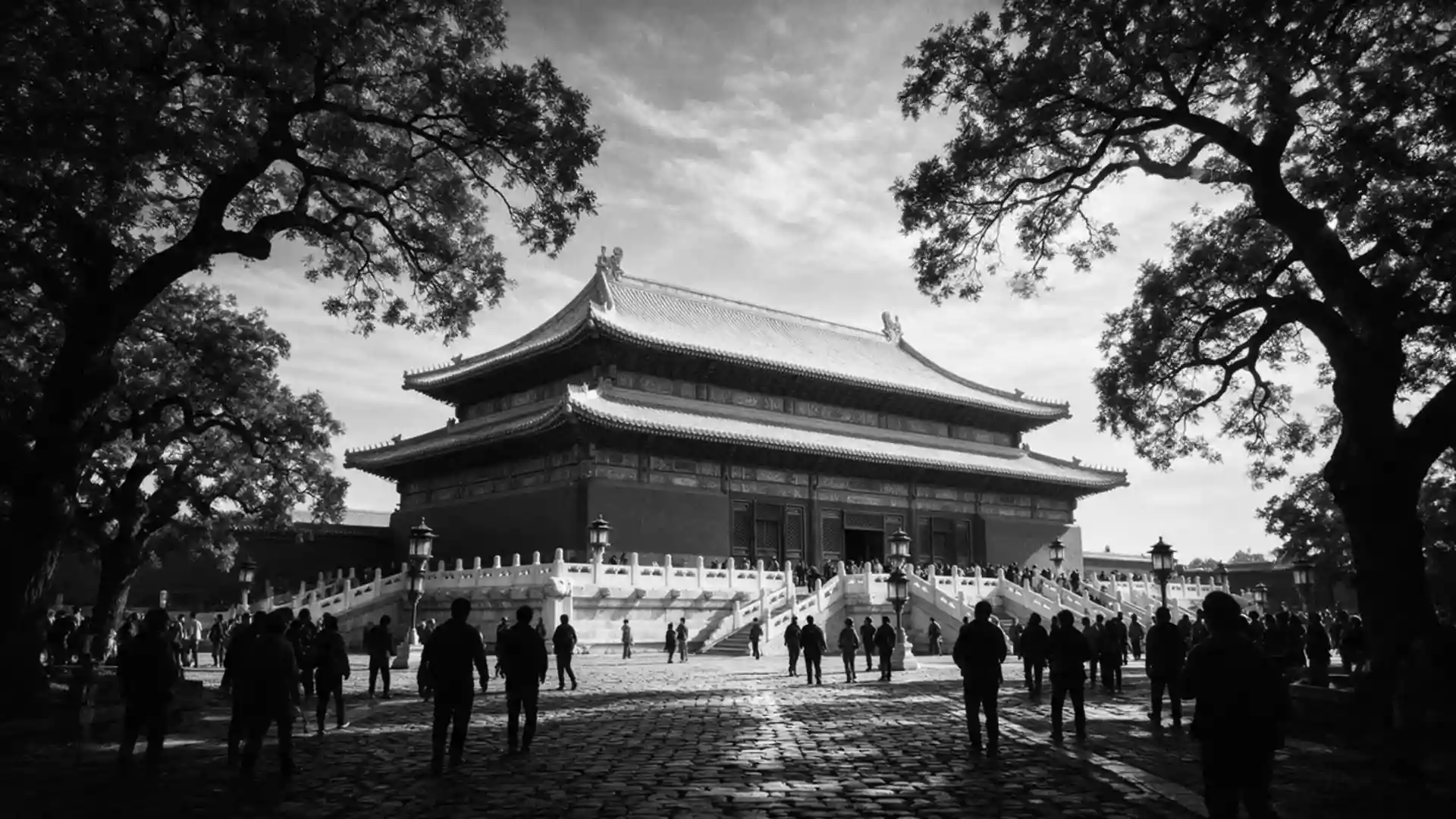
Forbidden City reopens Yanxi Palace on 1 November
Published on 10/24/2026 at 19:38 | Editorial responsibility: Rafael Müller, Editor-in-Chief AD HOC NEWSReopening and access for visitors
- The Palace Museum plans to reopen Yanxi Palace on 1 November 2026.
- Protective survey work kept Yanxi Palace closed from 1 September to 31 October 2026.
- UNESCO says the Forbidden City was constructed between 1406 and 1420.
- Visitors enter through Meridian Gate and leave through the north or east gates.
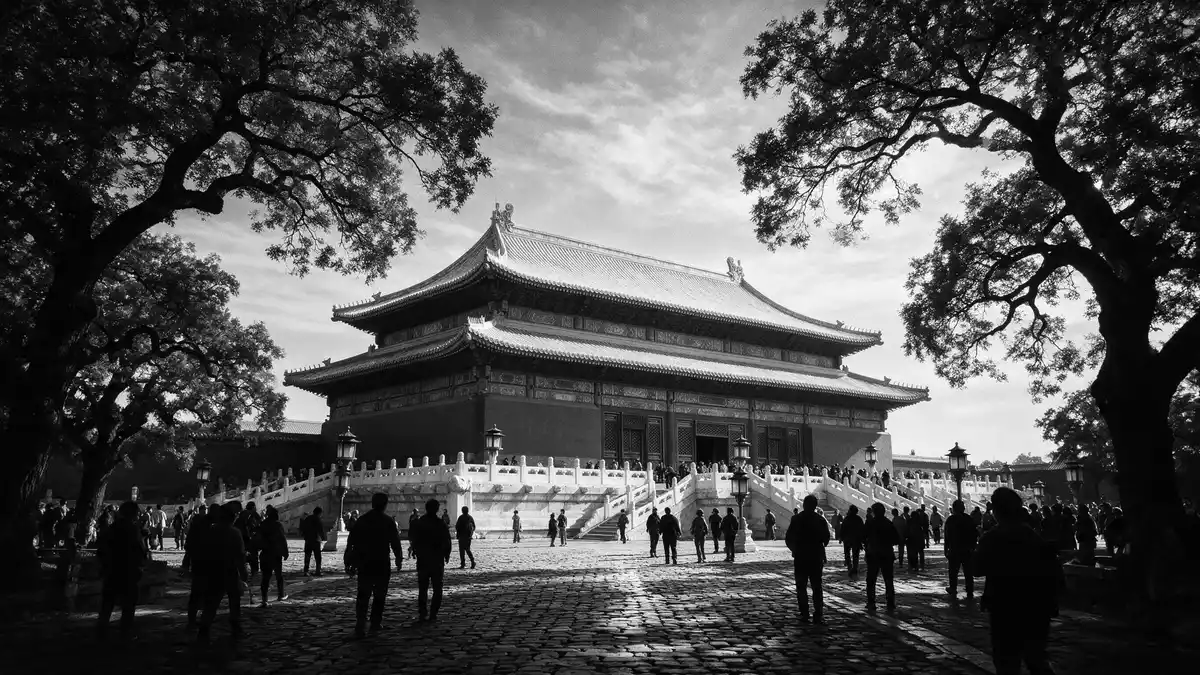
The Forbidden City is scheduled to reopen Yanxi Palace in Beijing on 1 November 2026 after a protective survey. The Palace Museum says the palace has been closed from 1 September to 31 October for conservation work.
Yanxi Palace reopening follows a two-month survey
The Palace Museum announced the closure and reopening dates on its visitor information page. The notice says Yanxi Palace, also known as the Palace of Prolonged Happiness, will reopen on 1 November 2026 after the survey ends on 31 October.
The reopening is a practical change for visitors planning a route through the eastern residential areas. It restores access to a named palace within the wider complex, while the museum continues to manage individual buildings according to its conservation programme.
The same Palace Museum page lists another current access change: Wuying Hall stopped opening to visitors on 19 October 2026 for building repairs, collection care and exhibition upgrades. That separate closure has no announced reopening date in the notice.
Forbidden City conservation meets a World Heritage setting
UNESCO describes the Forbidden City as the former imperial palace in the centre of Beijing. The Ming palace was constructed between 1406 and 1420, and the site witnessed the enthronement of 14 Ming and 10 Qing emperors over the following 505 years.
The complex forms part of the Imperial Palaces of the Ming and Qing Dynasties World Heritage property, inscribed in 1987. UNESCO records nearly 10,000 rooms across the Beijing palace, together with gardens, furniture, works of art and archival material.
Yanxi Palace sits within the inner residential part of this larger plan. Its return on 1 November therefore links a specific access change to the conservation of a complex whose central axis, courtyards and wooden buildings express the hierarchy of imperial palace design.
Visiting Forbidden City: what travellers from Western Europe should know
- Yanxi Palace is scheduled to reopen on 1 November 2026 after being closed from 1 September to 31 October for a protective survey.
- Wuying Hall has been closed since 19 October 2026 for conservation and exhibition work, and the Palace Museum notice gives no reopening date.
- The visitor route begins at Meridian Gate on the south side. The official visitor page identifies Tiananmen East and Tiananmen West as nearby transport stops served by Beijing subway Line 1.
- The museum operates a south-to-north one-way route. Visitors leave through Shenwumen or Donghuamen, while Xihuamen is normally a staff entrance.
- Mandarin Chinese is the official language of China, and the national currency is the renminbi.
- Entry requirements depend on your nationality; UK travellers can check the FCDO travel advice at gov.uk/foreign-travel-advice, Irish travellers the Department of Foreign Affairs at ireland.ie.
The Palace Museum’s visitor notice for Yanxi Palace provides the reopening date and the current route information. UNESCO records the site’s World Heritage history and construction dates.
Searching for Forbidden City on social platforms
These links open searches for Forbidden City on each platform.
Frequently asked questions about Forbidden City
When does Yanxi Palace reopen at the Forbidden City?
The Palace Museum says Yanxi Palace is scheduled to reopen on 1 November 2026 after a protective survey.
Where is the Forbidden City and how do you get there?
The palace is in central Beijing. Tiananmen East and Tiananmen West are nearby stops served by Beijing subway Line 1, and visitors enter through Meridian Gate.
What is the Forbidden City?
It is the former imperial palace in central Beijing, constructed between 1406 and 1420 and included in a World Heritage property inscribed in 1987.