
Foro Romano and the stone landscape of ancient Rome
Published on 09/22/2026 at 18:57 | Editorial responsibility: Rafael Müller, Editor-in-Chief AD HOC NEWS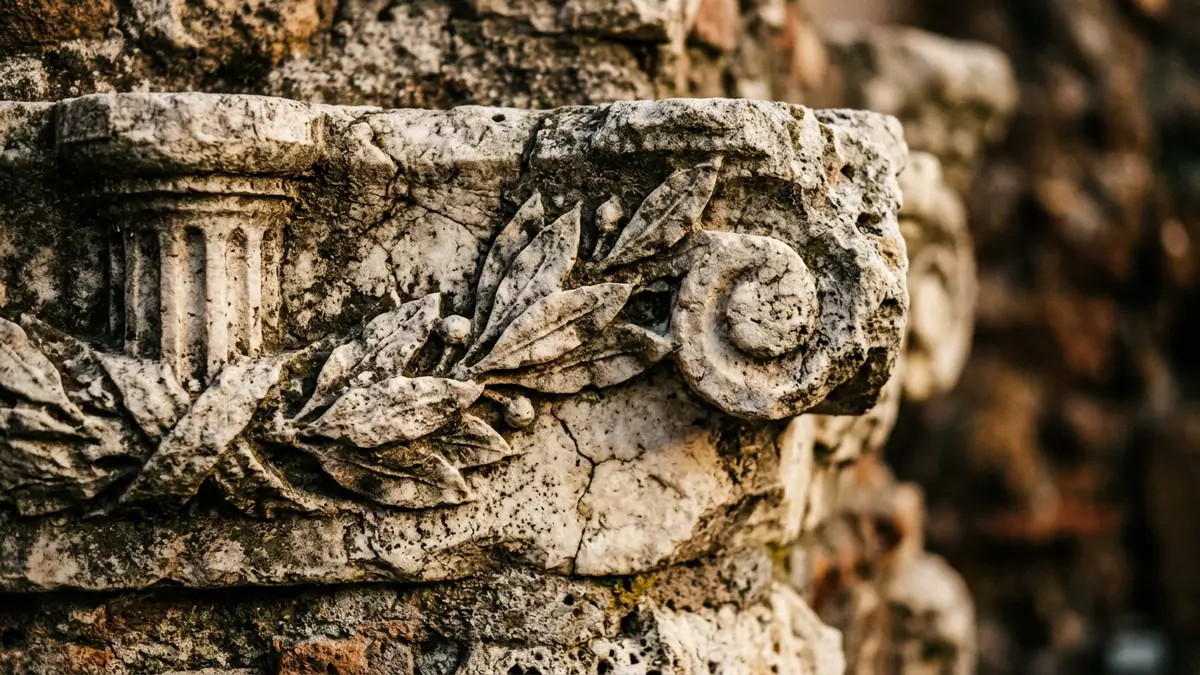
Foro Romano occupies the low valley between Rome’s Palatine and Capitoline hills. Its surviving temples, basilicas, arches and streets form a layered stone landscape, assembled across the Roman Republic and Empire.
Foro Romano between two hills
The valley began taking its monumental form in the late seventh century BC, after the ground was reclaimed. the valley’s early development belongs to a long sequence of civic construction.
For centuries, Foro Romano served as a setting for political meetings, legal proceedings, commerce, religious ceremonies and public spectacle. The surrounding hills remain visible from the archaeological area, giving the ruins a clear geographical frame.
Temples, basilicas and triumphal arches
The surviving monuments include the Temple of Saturn, the Temple of Vesta, the Temple of Castor and Pollux, the Temple of Romulus and the Temple of the Deified Caesar. Their columns, foundations and fragments show how different periods occupied the same civic ground.
The Curia marks the forum’s political history, while the Arch of Septimius Severus rises at its western end. Built in 203 CE, the arch commemorated the emperor’s victories over the Parthians. the surviving forum monuments include these structures and the Mamertine Prison.
From public centre to archaeological landscape
Foro Romano changed as Rome changed. Civil basilicas appeared during the second century CE, and imperial rulers added monuments dedicated to deified emperors, military victories and dynastic memory.
The last monument built in the forum was a column honouring the Byzantine emperor Phocas in 608 CE. Parts of the ancient buildings became churches, including Sant’Adriano in the Curia and San Lorenzo in Miranda within the Temple of Antoninus and Faustina. the Roman Forum heritage site belongs to Rome’s wider historic landscape.
Foro Romano is therefore read from ground level upwards: paving, column bases, temple platforms, arches and hill contours share the same view. The place is neither a single building nor a finished monument, but an archaeological district shaped by many centuries of Roman civic life.
Visiting Foro Romano: what travellers from Western Europe should know
- Foro Romano lies in central Rom between the Palatine and Capitoline hills. The Colosseo metro station on Line B and buses serving Largo della Salara Vecchia provide named public-transport connections.
- The archaeological area contains uneven ground, stone paving, steps and changing levels. Comfortable walking footwear suits the mixture of paths, ruins and hillside viewpoints.
- Several landmarks are identified by name, including the Curia, the Arch of Septimius Severus, the Basilica of Maxentius and the Temple of Vesta.
- The official language is Italian and the currency is the euro.
Searching for Foro Romano on social platforms
These links open searches for Foro Romano on each platform.Frequently asked questions about Foro Romano
Where is Foro Romano?
Foro Romano is in central Rom, in the valley between the Palatine and Capitoline hills. The Colosseo metro station provides a public-transport connection.
What can visitors see there?
The archaeological area contains temples, basilicas, arches, streets and political buildings. Named landmarks include the Curia, the Temple of Vesta and the Arch of Septimius Severus.
What makes Foro Romano distinctive?
Its ruins occupy the former civic centre of ancient Rome. Different periods remain visible together, from republican institutions to imperial monuments and the column of Phocas from 608 CE.


