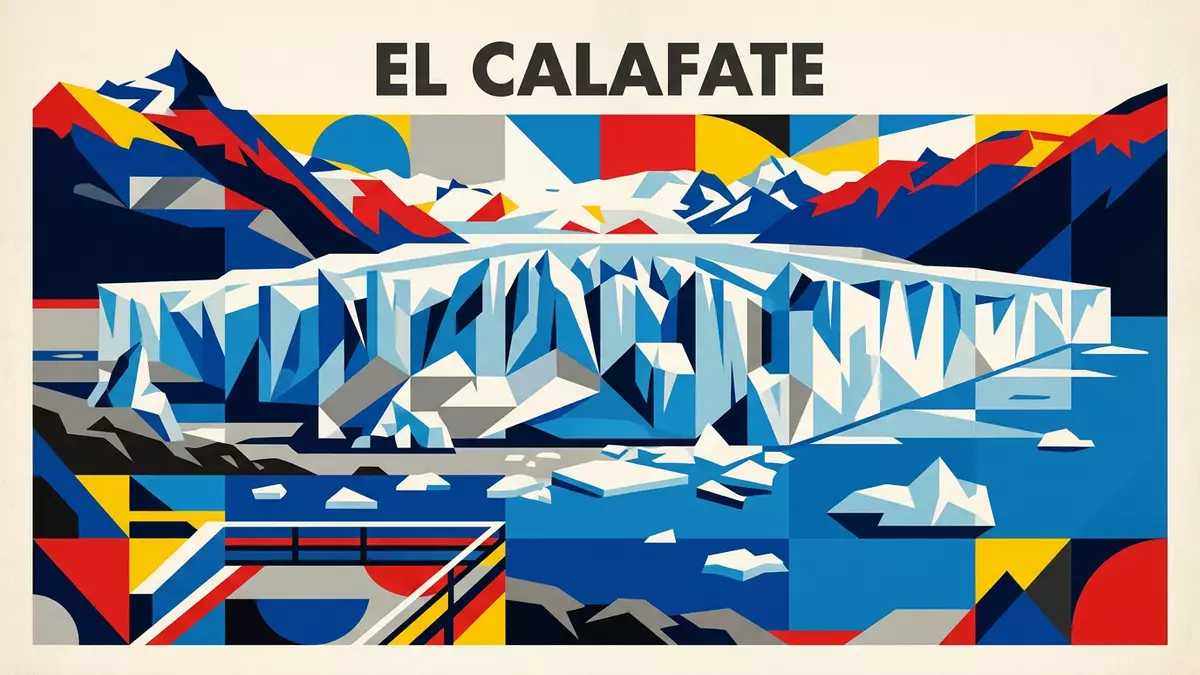
Glaciar Perito Moreno and its shifting blue front
Published on 08/11/2026 at 15:19 | Editorial responsibility: Rafael Müller, Editor-in-Chief AD HOC NEWS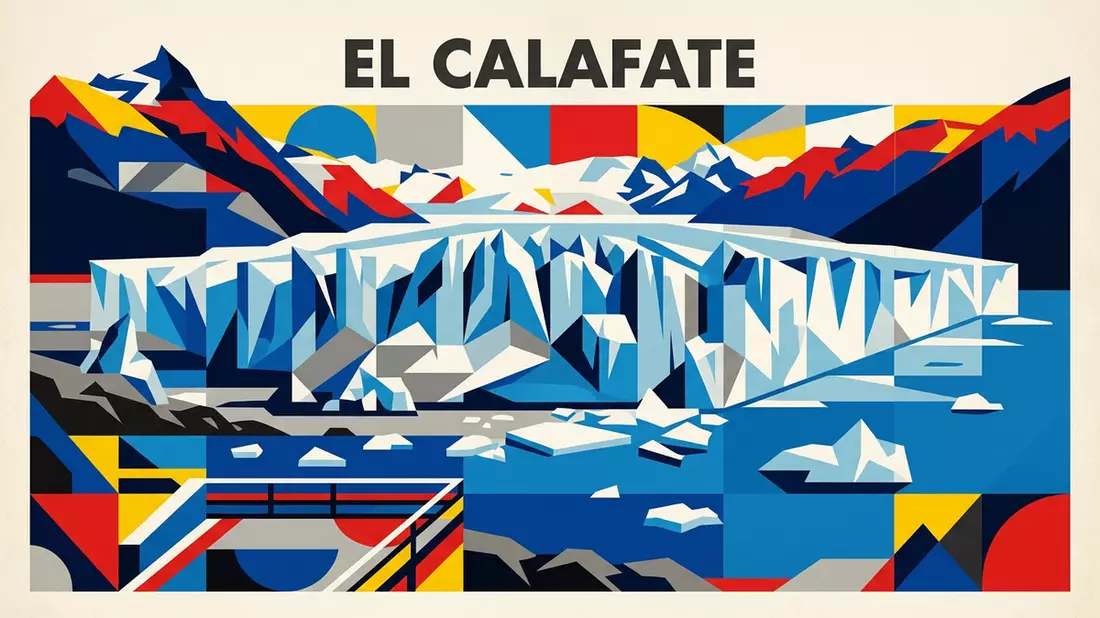
Glaciar Perito Moreno near El Calafate is one of Patagonia’s most recognisable ice masses, and its front meets the water in a long, fractured wall. The glacier is part of Los Glaciares National Park in Argentina, and the scene is defined by blue ice, dark rock and the broad surface of Lago Argentino.
Blue ice at the edge of Lago Argentino
The glacier’s face is the first thing many visitors notice: a sheer wall of ice broken by vertical cracks, blunt ridges and fallen blocks. Its colour shifts from white to deep blue where the ice is most compressed, while the lake below reflects the same tones in calmer weather.
Glaciar Perito Moreno belongs to the Southern Patagonian Ice Field, a vast reservoir of ice in the Andes. The glacier’s lower reaches descend towards the lake in a way that makes the boundary between land, water and ice unusually clear.
A named glacier in Argentine Patagonia
The glacier takes its name from Francisco Moreno, the Argentine explorer and naturalist often associated with Patagonia’s early scientific exploration. Perito means “expert” or “specialist” in Spanish, and the name has become tied to one of the best-known natural landmarks in the region.
Los Glaciares National Park was established in 1937, and Glaciar Perito Moreno sits within that protected landscape. The park is in Santa Cruz Province, in southern Argentina, where the Andes soften into high, cold valleys and large icefields.
Glacier front, icefall and changing fractures
The glacier is not a static block. Its surface is marked by crevasses, seracs and fallen ice, and the front can break with a sharp crack into the lake below. These fractures give the ice wall a rough, layered appearance rather than a smooth profile.
From different vantage points, the glacier reads as both landscape and structure: a moving mass with a visible edge, a high interior and a lake-facing cliff. That combination makes it especially easy to read from a distance, even without technical knowledge of glaciers.
Visiting Glaciar Perito Moreno: what travellers from Western Europe should know
- The site is reached from El Calafate by road and by excursions that serve Los Glaciares National Park.
- Admission arrangements and opening hours are set by the site's operator and change with the season; the official website is the only binding source.
- Late spring to early autumn brings the most comfortable conditions for road access and outdoor viewing, while winter brings colder, quieter days.
- Paths, viewpoints and exposed viewing platforms mean sturdy footwear and protection from wind are sensible, and some areas involve steps and uneven ground.
- Spanish is the main language in the area, and card payment is widely used in visitor services, though carrying some cash can help with smaller purchases.
- Entry requirements depend on your nationality. UK travellers should check the FCDO travel advice at gov.uk/foreign-travel-advice; Irish travellers the Department of Foreign Affairs at ireland.ie; EU and EEA citizens their own national foreign ministry.
Searching for Glaciar Perito Moreno on social platforms
These links open searches for Glaciar Perito Moreno on each platform.
Frequently asked questions about Glaciar Perito Moreno
Where is Glaciar Perito Moreno?
It lies in Los Glaciares National Park near El Calafate, in Santa Cruz Province, Argentina. The glacier ends at Lago Argentino.
What should a visit include?
Most visits centre on viewpoints, paths and broad views of the ice front. The terrain can be exposed and uneven, so practical footwear matters.
What makes it distinctive?
Its huge blue face, visible fractures and lake edge create a strong visual contrast. The glacier also carries a clear place in Patagonia’s geography and history.