Gobekli Tepe’s stone circles and carved pillars
Published on 08/09/2026 at 15:20 | Editorial responsibility: Rafael Müller, Editor-in-Chief AD HOC NEWS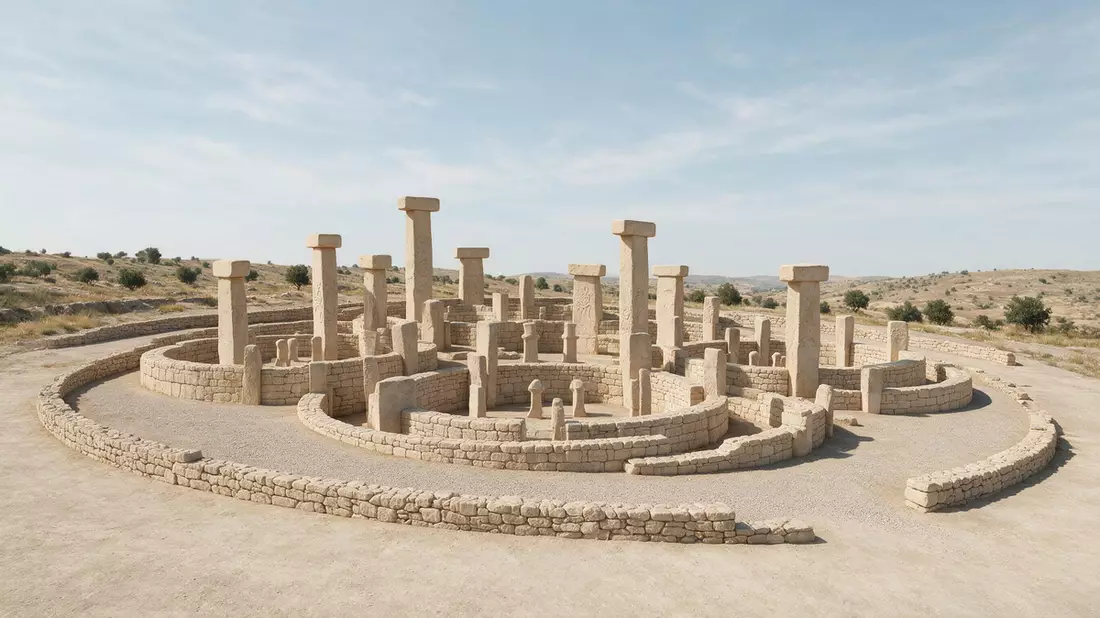
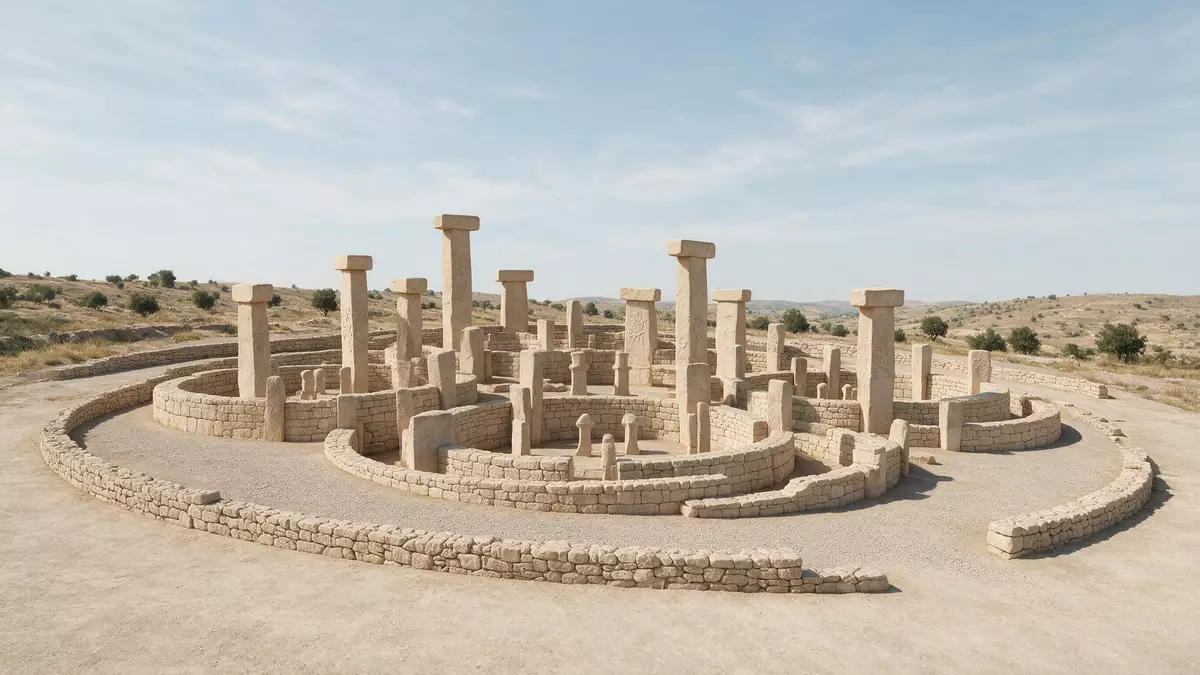
Gobekli Tepe in Sanliurfa is a hillside archaeological site defined by its massive T-shaped limestone pillars. Long before stone temples became familiar in later history, this place already carried carved reliefs, enclosures and a strong sense of deliberate monumentality.
Stone pillars on a prehistoric hill
The site is best known for its ring-like enclosures, where freestanding pillars stand around larger central stones. The carved reliefs include animals such as foxes, snakes, boars and birds, and the surfaces keep their sharp, formal lines.
That combination of scale and carving gives the place its force. Even without reconstructed buildings, the pillars read as architectural elements rather than simple standing stones.
An early Neolithic monument in southeastern Anatolia
Gobekli Tepe belongs to the early Neolithic world of southeastern Anatolia and is traditionally dated to the tenth and ninth millennia BC. Its excavations are closely associated with Klaus Schmidt, who brought international attention to the site.
The limestone setting matters as much as the sculpture. The pillars, quarry marks and enclosures create a landscape of worked rock that can be read as a whole, not just as isolated finds.
How the site is experienced on foot
Visitors encounter an exposed archaeological area with raised walkways, protective shelters and visible excavation zones. The experience is dominated by stone, open air and the vertical rhythm of the pillars.
The site also carries the tension of partial survival. What remains is substantial enough to register the scale of the work, yet incomplete enough to leave the original arrangement open to interpretation.
Visiting Gobekli Tepe: what travellers from Western Europe should know
- Gobekli Tepe lies in Sanliurfa province in south-eastern Turkey and is reached from Sanliurfa by road.
- Admission arrangements and opening hours are set by the site's operator and change with the season; the official website is the only binding source.
- Spring and autumn are the most comfortable times for an exposed archaeological site in this region, and shade is limited.
- The site itself involves an outdoor approach, uneven ground and long stretches spent on foot.
- English may be understood in basic visitor settings, but carrying payment options accepted locally is sensible.
- Entry requirements depend on your nationality. UK travellers should check the FCDO travel advice at gov.uk/foreign-travel-advice; Irish travellers the Department of Foreign Affairs at ireland.ie; EU and EEA citizens their own national foreign ministry.
Searching for Gobekli Tepe on social platforms
These links open searches for Gobekli Tepe on each platform.Frequently asked questions about Gobekli Tepe
Where is Gobekli Tepe?
It is an archaeological site in Sanliurfa province in south-eastern Turkey, on a low hill above the plain.
What does a visit involve?
Expect an exposed site with stone enclosures, protective walkways and open ground. The focus is on the pillars and carved reliefs rather than on standing buildings.
What makes it distinctive?
Its carved T-shaped pillars and early Neolithic date place it among the most important prehistoric monuments in the region. The site combines monumental form with animal reliefs and an unfinished, archaeological quality.