Grotta Azzurra and Capri’s blue-lit sea cave
Published on 08/11/2026 at 15:17 | Editorial responsibility: Rafael Müller, Editor-in-Chief AD HOC NEWS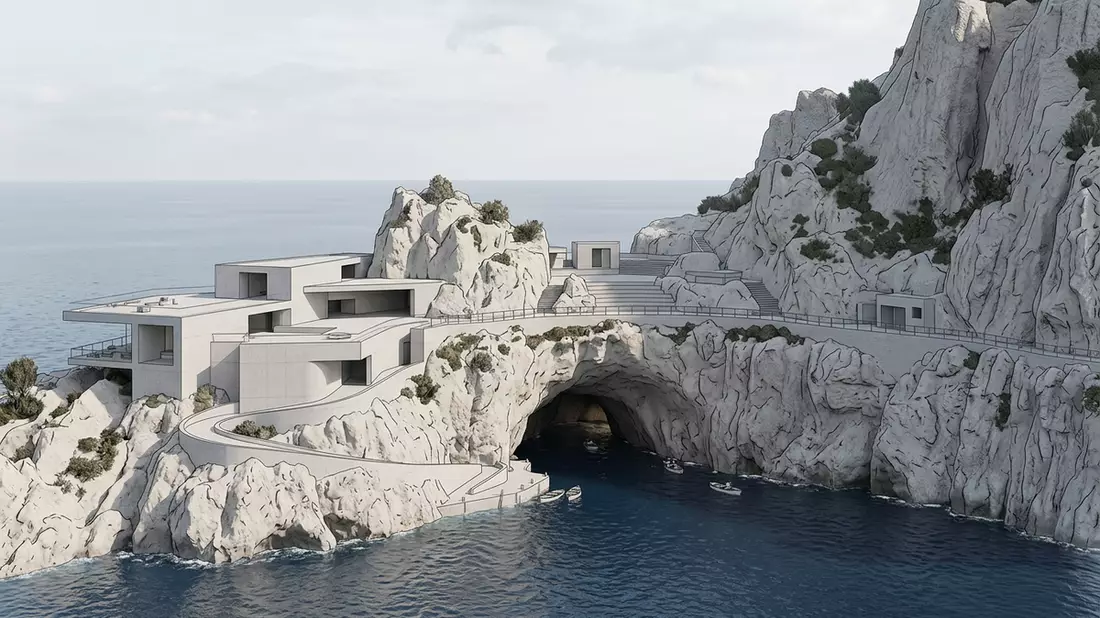
Grotta Azzurra on Capri is a sea cave entered by boat, where the rock and water create the site’s most striking feature: a blue interior beneath a low opening. The cave became a landmark of Capri after renewed attention in the early nineteenth century, and its setting on the island’s coast remains central to the experience.
Capri’s sea cave in blue light
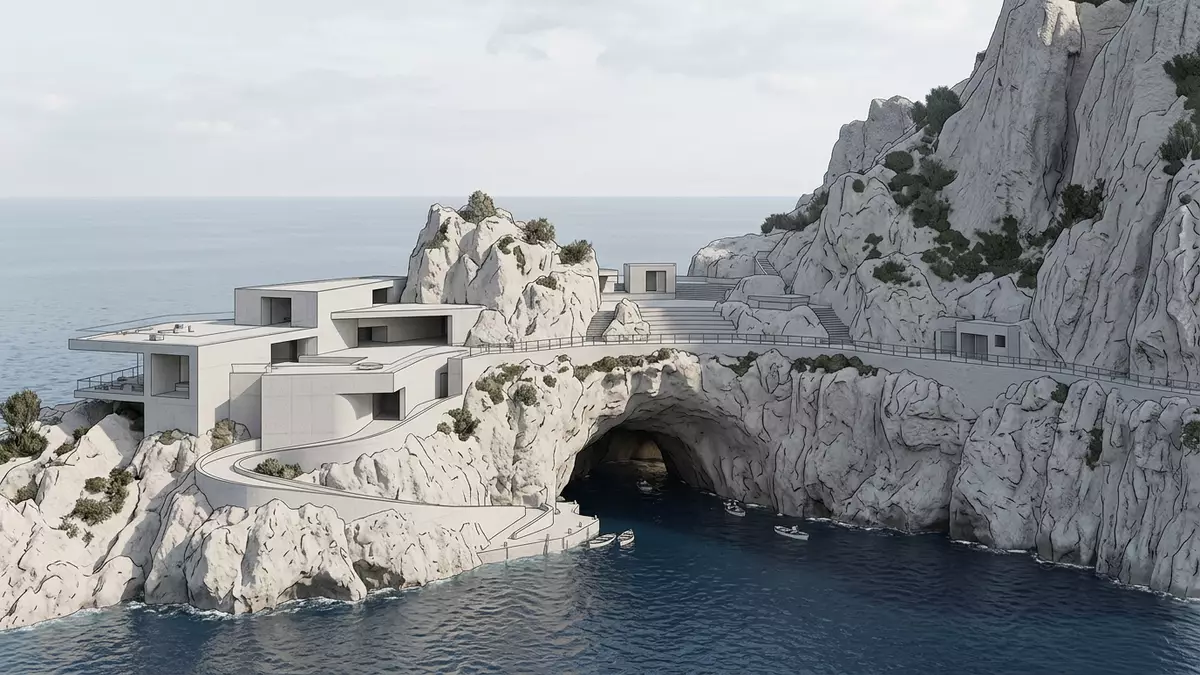
The cave is cut into limestone on Capri’s coast and opens to the sea through a narrow mouth close to the waterline. Inside, the chamber extends into darkness, with the water taking on the blue colour that gives Grotta Azzurra its name.
The setting is straightforward and memorable at once: rock above, sea below, and a confined entrance that separates the interior from the open coast. Visitors encounter a natural cavity rather than a built attraction, which is part of its appeal.
From Roman presence to island landmark
Grotta Azzurra has long carried a Roman association, and traces of that period connect the cave with Capri’s ancient landscape. In the nineteenth century, the German writer August Kopisch and the painter Ernst Fries brought it wider notice, and the cave entered the European imagination from there.
That later fame sits alongside the older island setting. Capri’s coastline is full of cliffs, coves and pale rock, and Grotta Azzurra is one of the best-known places where those features come together in a single chamber.
The cave as a boat journey
A visit centres on the transfer from the shore to the cave entrance and the brief passage into the interior. The approach is part of the place itself, since the cave is only experienced from the sea and the water level matters at the opening.
The result is a visit with a clear sequence: coast, boat, entrance, interior. The cave is not a large complex with rooms and corridors, but a single natural space whose scale is defined by rock and water.
Visiting Grotta Azzurra: what travellers from Western Europe should know
- Grotta Azzurra is on Capri, reached by boat from the island’s coast.
- Admission arrangements and opening hours are set by the site's operator and change with the season; the official website is the only binding source.
- Late morning and early afternoon are the clearest parts of the day for a sea visit around Capri.
- Access depends on the sea conditions at the cave entrance, and the transfer is short and boat-based.
- Local transactions around Capri are handled in euros, and Italian is the main language on the island.
- Entry requirements depend on your nationality. UK travellers should check the FCDO travel advice at gov.uk/foreign-travel-advice; Irish travellers the Department of Foreign Affairs at ireland.ie; EU and EEA citizens their own national foreign ministry.
Searching for Grotta Azzurra on social platforms
These links open searches for Grotta Azzurra on each platform.
Frequently asked questions about Grotta Azzurra
Where is Grotta Azzurra?
Grotta Azzurra is on the island of Capri, off the coast of southern Italy. It sits in a limestone cliff line and is reached from the water.
What should visitors expect?
Expect a boat-based visit centred on a sea cave with a low entrance and a blue-lit interior. The experience is brief and shaped by sea conditions at the mouth of the cave.
What makes Grotta Azzurra distinctive?
Its distinction lies in the contrast between the dark outer coast and the blue chamber inside the rock. The cave combines natural form, island setting and Roman-era association in one place.