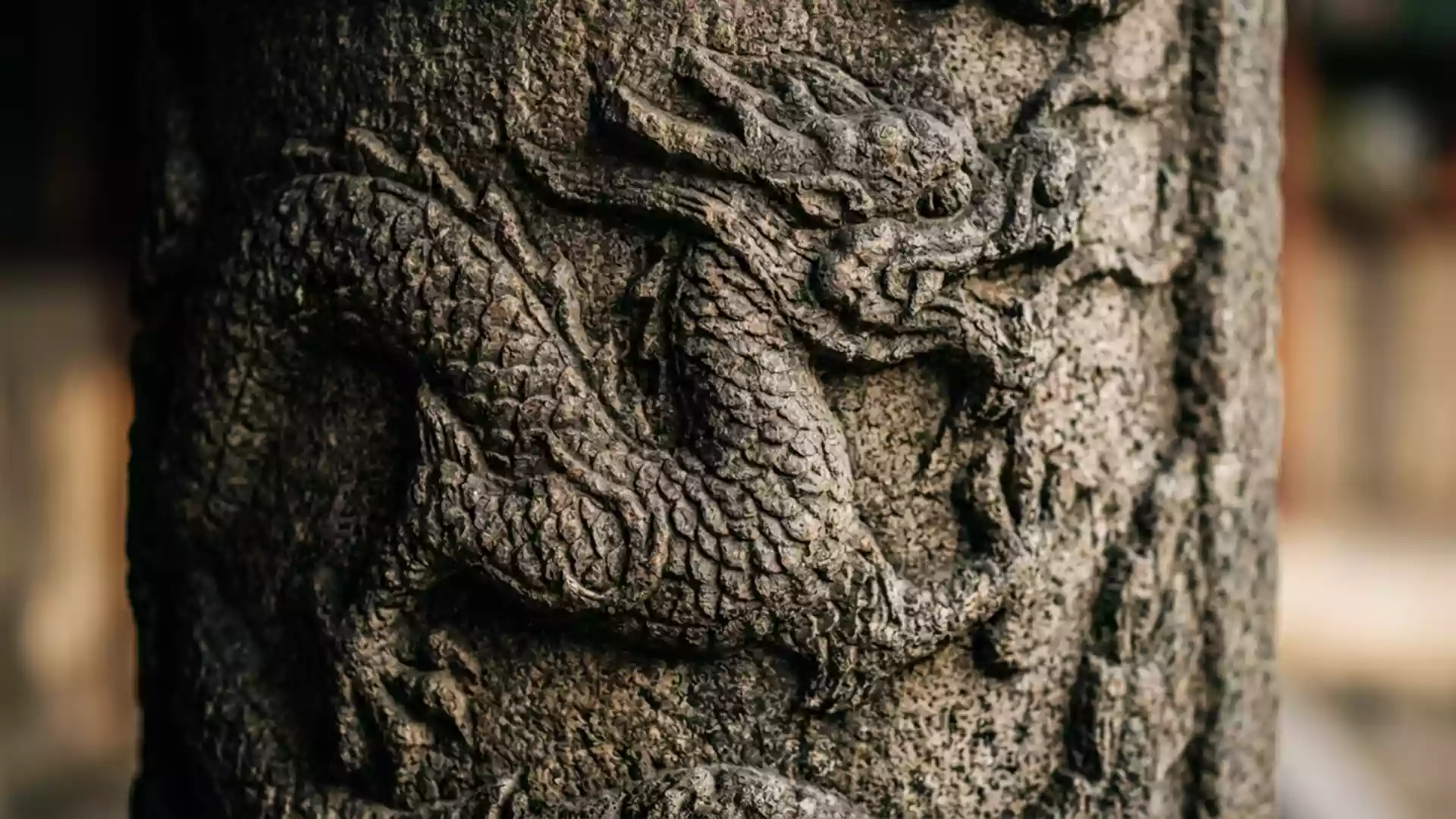
Gyeongbokgung Palace opens Janggo on 4 November
Published on 10/31/2026 at 18:36 | Editorial responsibility: Rafael Müller, Editor-in-Chief AD HOC NEWSJanggo opening and palace heritage
- The Korea Heritage Agency and National Heritage Promotion Agency run the five-day programme from 4 to 8 November 2026.
- Janggo viewing and on-site cultural activities are free for palace visitors during the November 2026 opening.
- Gyeongbokgung Palace was built in 1395 as the first and largest royal palace of the Joseon Dynasty.
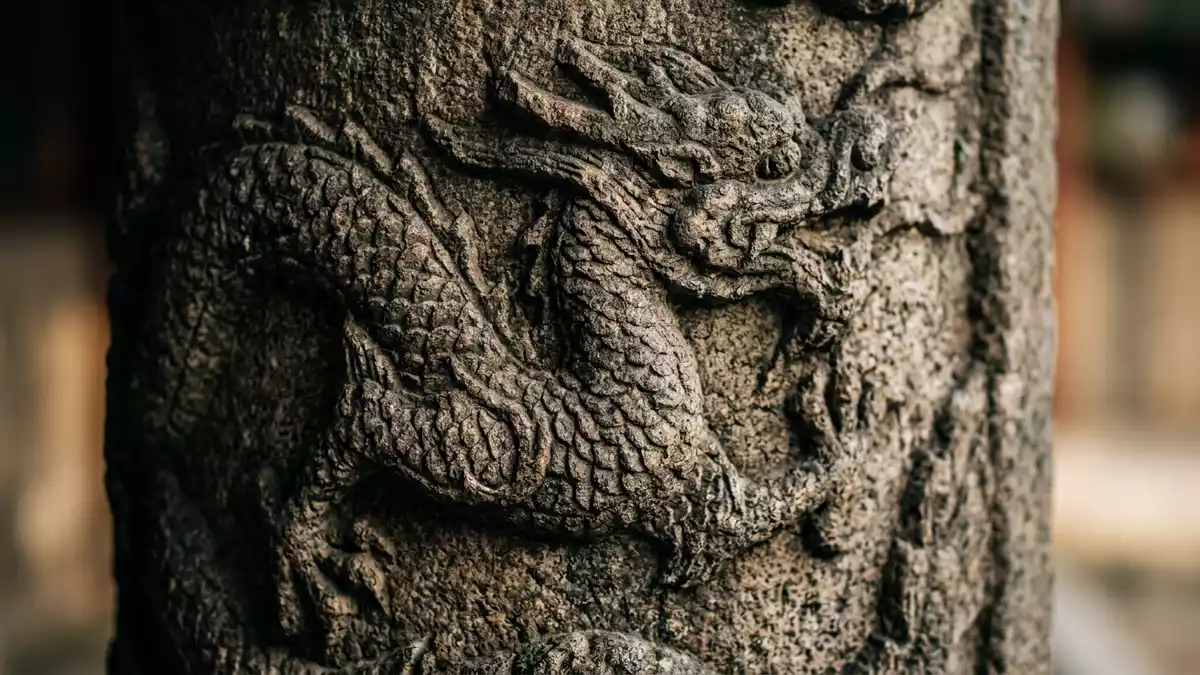
Gyeongbokgung Palace in Seoul will open its normally closed Janggo area from 4 to 8 November 2026 for a programme about Korean fermented-condiment culture. The five-day Janggo opening combines an exhibition, a photo zone and small-scale experiential performances within the historic palace grounds.
Janggo opens at Gyeongbokgung Palace from 4 to 8 November
The programme is called Recreating and Experiencing Daily Life in the Palace and is organised by the Royal Palaces and Tombs Center with the National Heritage Promotion Agency. The event runs from 10am to 5pm each day from 4 to 8 November 2026, according to the official programme announcement.
Janggo was the palace area used to manage and store earthenware jars for royal sauces. During the November opening, visitors can see an exhibition about Korean Jang-Making Culture, use a photo zone and watch small experiential performances. The announcement says that viewing the Janggo and joining the on-site activities are free for visitors to the palace.
A hands-on sauce-making programme is also scheduled from 6 to 8 November 2026. It includes instruction from traditional-food master Ki Sun-do and follows the process of placing fermented soybean blocks and brine into jars for fermentation and ageing. The official notice says the resulting sauce is intended to continue its process before a planned follow-up activity in March 2027.
Janggo connects palace food history with a living tradition
The opening gives a specific setting to a food tradition that extends beyond the palace walls. Korean Jang-Making Culture was added to UNESCO’s Representative List of the Intangible Cultural Heritage of Humanity in 2024, a status cited in the programme announcement.
That connection matters at this site because the Janggo was not a general storehouse. It was a working part of the royal food system, and the November programme uses its original function as the setting for public interpretation and activities. The palace’s official Seoul tourism guide records that the complex was built in 1395 as the first and largest royal palace of the Joseon Dynasty.
The same guide describes the site as the largest of Seoul’s Five Grand Palaces. Rebuilding and restoration have continued because many structures were destroyed during the Japanese occupation, while the palace grounds also contain the National Palace Museum of Korea and the National Folk Museum of Korea. The temporary access to Janggo therefore adds a normally closed working space to a larger historic complex.
What the November opening adds to a Seoul palace visit
For a traveller, the main change is access to an area that is not normally open. The programme is not limited to a display: the organisers describe demonstrations of palace food culture, an exhibition, a photo zone and performances. The public elements run across all five days, while the practical sauce-making activity is concentrated on 6, 7 and 8 November 2026.
The event also places a contemporary heritage designation beside a physical palace function. Visitors can encounter the history of royal storage in the Janggo while learning about a tradition recognised internationally in 2024. This gives the November dates a direct link to the building rather than making them a general Seoul food event.
Visiting Gyeongbokgung Palace: what travellers from Western Europe should know
- The Janggo programme takes place from 4 to 8 November 2026 in the Janggo area of Gyeongbokgung Palace, with the event running from 10am to 5pm.
- The Janggo viewing, exhibition, photo zone and on-site activities are free for palace visitors during the 4 to 8 November 2026 programme; the separate hands-on activity runs from 6 to 8 November.
- The palace is at 161 Sajik-ro in Jongno-gu, Seoul. Gyeongbokgung Station on Subway Line 3 and Gwanghwamun Station on Line 5 are the nearest named stations in the Seoul tourism guide.
- The complex includes historic courtyards, pavilions and palace grounds. Visitors should expect a substantial outdoor walking visit across a large heritage site.
- South Korea’s official language is Korean and its currency is the won.
- Entry requirements depend on your nationality; UK travellers can check the FCDO travel advice at gov.uk/foreign-travel-advice, Irish travellers the Department of Foreign Affairs at ireland.ie.
Searching for Gyeongbokgung Palace on social platforms
These links open searches for Gyeongbokgung Palace on each platform.
Frequently asked questions about Gyeongbokgung Palace
When does the Janggo opening take place at Gyeongbokgung Palace?
The programme runs from 4 to 8 November 2026, from 10am to 5pm, in the Janggo area.
What is Janggo at Gyeongbokgung Palace?
Janggo was the palace area used to manage and store jars for royal sauces. It is normally closed and opens to visitors for the November 2026 programme.
Where is Gyeongbokgung Palace and how do you get there?
The palace is at 161 Sajik-ro in Jongno-gu, Seoul. Gyeongbokgung Station on Line 3 and Gwanghwamun Station on Line 5 are nearby.