
Habana Vieja, the walled heart of Havanna
Published on 08/13/2026 at 14:10 | Editorial responsibility: Rafael Müller, Editor-in-Chief AD HOC NEWS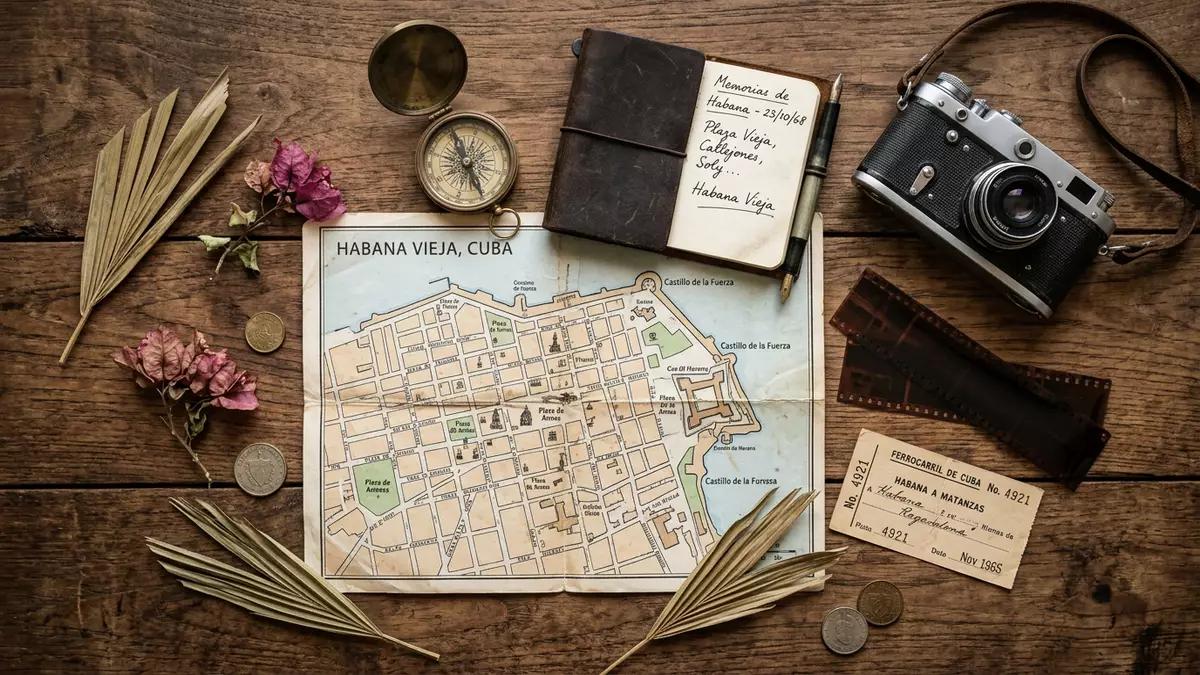
Habana Vieja, the historic centre of Havanna, is the oldest part of Cuba’s capital and the district where the city first took shape in the early sixteenth century. Its dense grid of streets, plazas and fortifications preserves the core of colonial Havana, recognised since 1982 as part of the UNESCO World Heritage site “Old Havana and its Fortification System”.
A fortified colonial port city on Havana Bay
Habana Vieja occupies the western shore of Havana Bay, where Spanish colonisers founded the town in 1519 and built it into a major Caribbean port. Within what were once stone city walls, the district formed a compact urban ensemble of civic buildings, churches, residences and military structures focused on maritime trade and defence.Old Havana and its Fortification System Massive fortifications, including castles and bastions built between the sixteenth and nineteenth centuries, guarded the entrance to the bay and protected the harbour where fleets gathered before crossing the Atlantic.extensive defensive network
Behind these defences, Habana Vieja developed as a port city centred on shipping, administration and religion. Five principal plazas articulated the historic layout, each surrounded by stone buildings with arcades, timber balconies, wrought-iron grilles and internal courtyards that reflected Spanish colonial architecture in the Caribbean.five major plazas The historic centre and its fortifications together form a rare surviving example of a colonial town shaped by both commerce and military strategy.
Streets and plazas of Habana Vieja
Walking through Habana Vieja reveals a sequence of plazas connected by cobbled streets and narrow lanes. Plaza de Armas, laid out in the colonial period as a ceremonial square beside the harbour, became an early focal point of the city, surrounded by official buildings and shaded gardens.Plaza de Armas Nearby, Plaza de la Catedral frames Catedral de la Habana and a cluster of baroque mansions, representing one of the most intact baroque ensembles in the district.Plaza de la Catedral
Further south, Plaza Vieja presents a more varied architectural scene, where buildings from different periods surround the square with contrasting facades, while Plaza de San Francisco de Asís lies close to the harbour, long associated with mercantile activity and shipping.Plaza Vieja and Plaza de San Francisco Streets such as Obispo and Mercaderes link these spaces, lined with houses, small palaces, churches and former convents whose internal courtyards offer glimpses of tiled floors, colonnades and shaded gardens.cobblestone streets and historic buildings
Architectural character and UNESCO recognition
The architecture of Habana Vieja reflects several centuries of building, with baroque and neoclassical styles prominent among more modest urban houses. Religious structures, including cathedral and convent complexes, stand beside civic palaces and domestic residences built in stone and brick, often with wooden balconies and coloured plaster facades.Baroque and neoclassical architecture Many houses are arranged around interior courtyards, where arcades provide circulation and light reaches rooms set back from the street.private houses with courtyards
Habana Vieja, together with its fortification system, was inscribed as a cultural World Heritage site in 1982 for its combination of military and civil architecture and its role as a historic port city linking the Caribbean and Europe.UNESCO inscription in 1982 The historic centre covers an area measured in several square kilometres and retains the outlines of the former city walls, which correspond to the present district boundary.boundary of old city walls As part of Havanna’s urban fabric, it remains a residential neighbourhood as well as a place of churches, museums and restored plazas.
Visiting Habana Vieja: what travellers from Western Europe should know
- Habana Vieja lies on the west bank of Havana Bay in Havanna and is reached by road from other districts, with central streets such as Obispo connecting major plazas.
- Exploring the historic centre involves walking on cobbled streets and uneven pavements, with some churches, towers and museum buildings reached by staircases.
- Several historic plazas lie close together in Habana Vieja, so moving between squares, churches and former convents can be done on foot within the district.
- The official language is Spanish and the currency is the Cuban peso.
- Entry requirements depend on your nationality; UK travellers can check the FCDO travel advice at gov.uk/foreign-travel-advice, Irish travellers the Department of Foreign Affairs at ireland.ie.
Searching for Habana Vieja on social platforms
These links open searches for Habana Vieja on each platform.
Frequently asked questions about Habana Vieja
Where is Habana Vieja located in Havanna?
Habana Vieja is the historic district on the western side of Havana Bay, forming one of the municipalities of Havanna and corresponding to the old walled city.
What can visitors expect when walking through Habana Vieja?
Visitors encounter cobbled streets, historic plazas, churches, former convents and houses with arcades and balconies, set within a compact urban grid framed by old fortifications.
What makes Habana Vieja distinctive among historic districts?
Habana Vieja combines a fortified harbour, an early sixteenth-century town plan and baroque and neoclassical architecture, recognised as a UNESCO World Heritage site with five principal plazas.


