
Haeinsa and the wooden canon on Gayasan’s slopes
Published on 09/21/2026 at 06:17 | Editorial responsibility: Rafael Müller, Editor-in-Chief AD HOC NEWS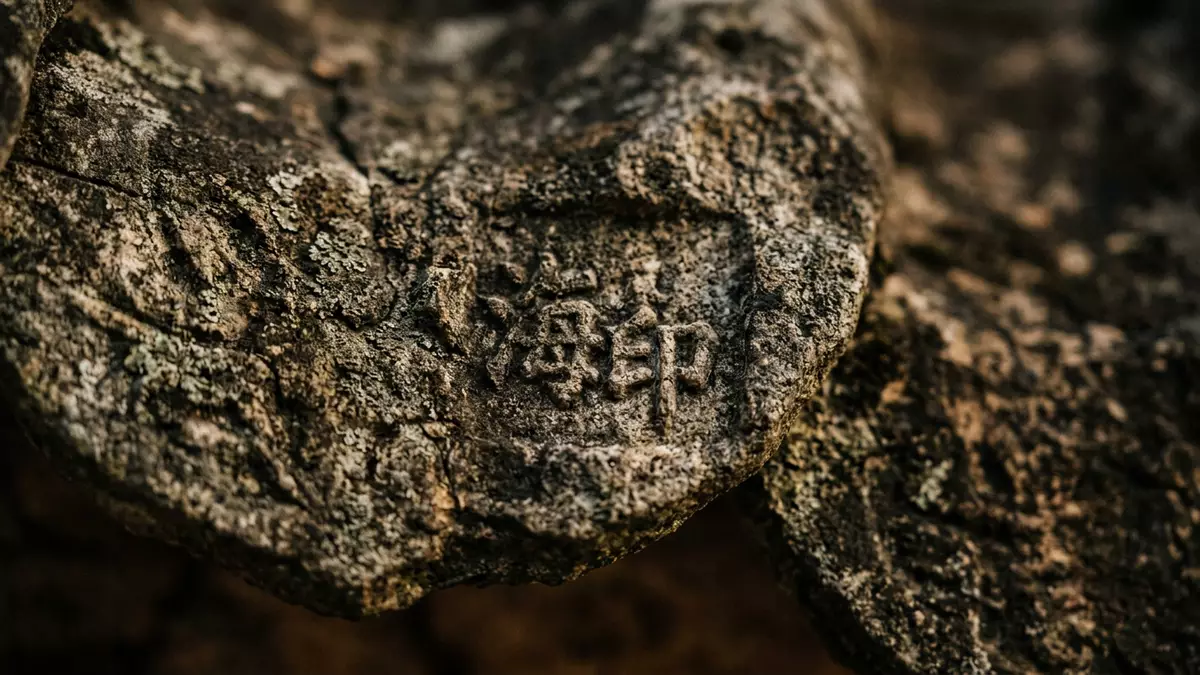
Haeinsa in Hapcheon is a major Buddhist temple complex set on the forested slopes of Gayasan in south-eastern South Korea, renowned for housing the vast Tripitaka Koreana carved on wooden printing blocks and the timber depository halls that protect them.
A mountain temple in Gayasan National Park
Haeinsa stands on the mid-slopes of Gayasan Mountain in Hapcheon County, within Gayasan National Park in South Gyeongsang Province in the south of South Korea. The temple complex is laid out along a rising valley, with successive courtyards and halls stepping up towards the higher terraces where the scripture depositories stand.
The temple was founded in 802 during the Unified Silla period, giving it a continuous history that stretches back to the early medieval formation of Korean Buddhism.Founded in 802 Haeinsa is associated with Korean Seon practice and has become one of the principal monasteries of the Jogye Order, tying the site to the broader tradition of East Asian Zen. Its mountain setting above Hapcheon brings together religious buildings and wooded ridges, with the temple courts opening towards views of Gayasan’s slopes.
The Tripitaka Koreana and its timber halls
The defining feature of Haeinsa is the Tripitaka Koreana, a complete woodblock edition of the Buddhist canon produced during the Goryeo dynasty and conserved here for centuries. Between 1237 and 1248 artisans carved the scriptures onto more than 80,000 wooden blocks, creating one of the most extensive and carefully edited textual collections in East Asian Buddhism.Tripitaka Koreana woodblocks Each block carries lines of Chinese characters, and together the rows of timber pieces form continuous shelves of scriptural text stored in purpose-built halls.
The woodblocks are housed in the Janggyeong Panjeon, a fifteenth-century wooden depository complex built on the uppermost terrace of Haeinsa.Janggyeong Panjeon complex The depositories consist of timber buildings whose interior spaces are filled with racks holding the blocks in ordered rows. Janggyeong Panjeon has been recognised both as a National Treasure of South Korea and as a cultural World Heritage site, carrying the official UNESCO inscription “Haeinsa Temple Janggyeong Panjeon, the Depositories for the Tripitaka Koreana Woodblocks”.UNESCO inscription in 1995 The halls themselves, with their timber construction and elevated position above the main courtyard, are as central to Haeinsa’s identity as the scriptures they contain.
Haeinsa in Korean religious and cultural history
Haeinsa’s long history reflects successive periods of Korean religion and state patronage. Founded in the Unified Silla era, the monastery later came under the protection of the Joseon dynasty after the royal family recognised the importance of the Tripitaka Koreana housed there.Royal protection under Joseon The woodblocks themselves have been designated National Treasure No. 32, and the Janggyeong Panjeon complex is National Treasure No. 52, placing Haeinsa at the heart of South Korea’s official heritage register.National Treasure designation
UNESCO added Haeinsa Temple Janggyeong Panjeon to the World Heritage List in 1995, recognising the combination of the extensive textual corpus and the conservation methods embodied in the timber architecture.World Heritage listing The Tripitaka Koreana woodblocks have also been inscribed on UNESCO’s Memory of the World register, so that at Haeinsa the building complex and its contents each carry separate international recognition.Memory of the World status Together these layers of heritage status underline Haeinsa’s role as a religious centre, a repository of textual culture and a carefully preserved timber ensemble in the Korean mountains.
Visiting Haeinsa: what travellers from Western Europe should know
- Haeinsa lies in Gayasan National Park in Hapcheon County in South Gyeongsang Province, reached by road from regional cities such as Daegu and Busan.
- The temple complex rises along a sloping valley, and visiting the scripture depositories involves walking uphill through successive courtyards and up stairways to the upper terrace.
- The surrounding national park brings Gayasan’s forested ridges close to the temple, so paths around the complex combine stone paving with sections of earth and rock.
- The official language is Korean and the currency is the South Korean won.
- Entry requirements depend on your nationality; UK travellers can check the FCDO travel advice at gov.uk/foreign-travel-advice, Irish travellers the Department of Foreign Affairs at ireland.ie.
Searching for Haeinsa on social platforms
These links open searches for Haeinsa on each platform.
Frequently asked questions about Haeinsa
Where is Haeinsa located?
Haeinsa is in Hapcheon County in South Gyeongsang Province, on the slopes of Gayasan within Gayasan National Park in south-eastern South Korea.
What should visitors expect at Haeinsa?
Visitors encounter a mountain monastery with multiple temple courts, timber halls and the elevated Janggyeong Panjeon depositories where the Tripitaka Koreana woodblocks are stored.
What makes Haeinsa distinctive among Korean temples?
Haeinsa combines an early medieval foundation, the complete Tripitaka Koreana carved in the thirteenth century and the fifteenth-century Janggyeong Panjeon timber complex, all recognised by UNESCO and as National Treasures.


