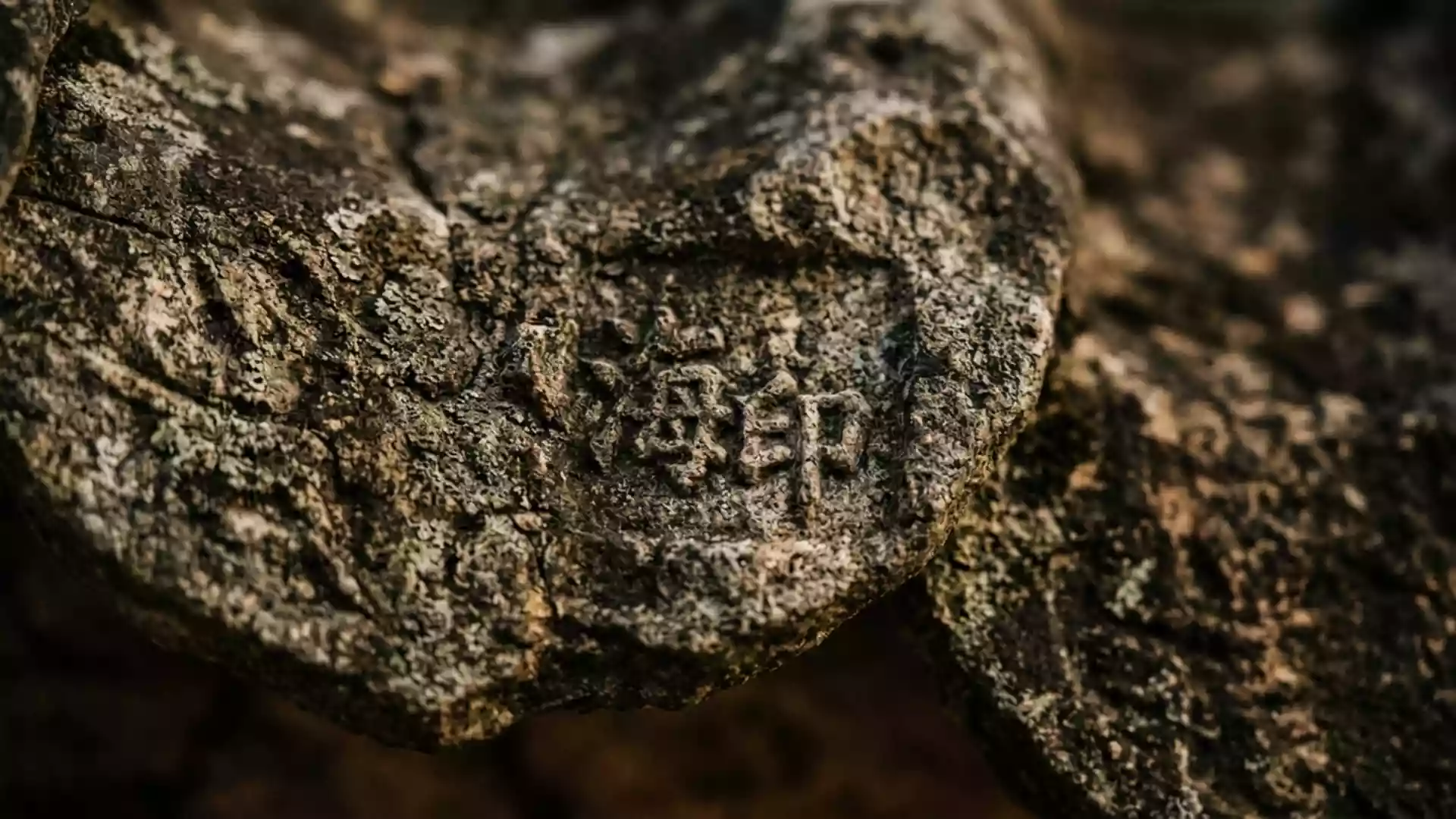
Haeinsa and the wooden library of Buddhist scripture
Published on 08/15/2026 at 14:04 | Editorial responsibility: Rafael Müller, Editor-in-Chief AD HOC NEWS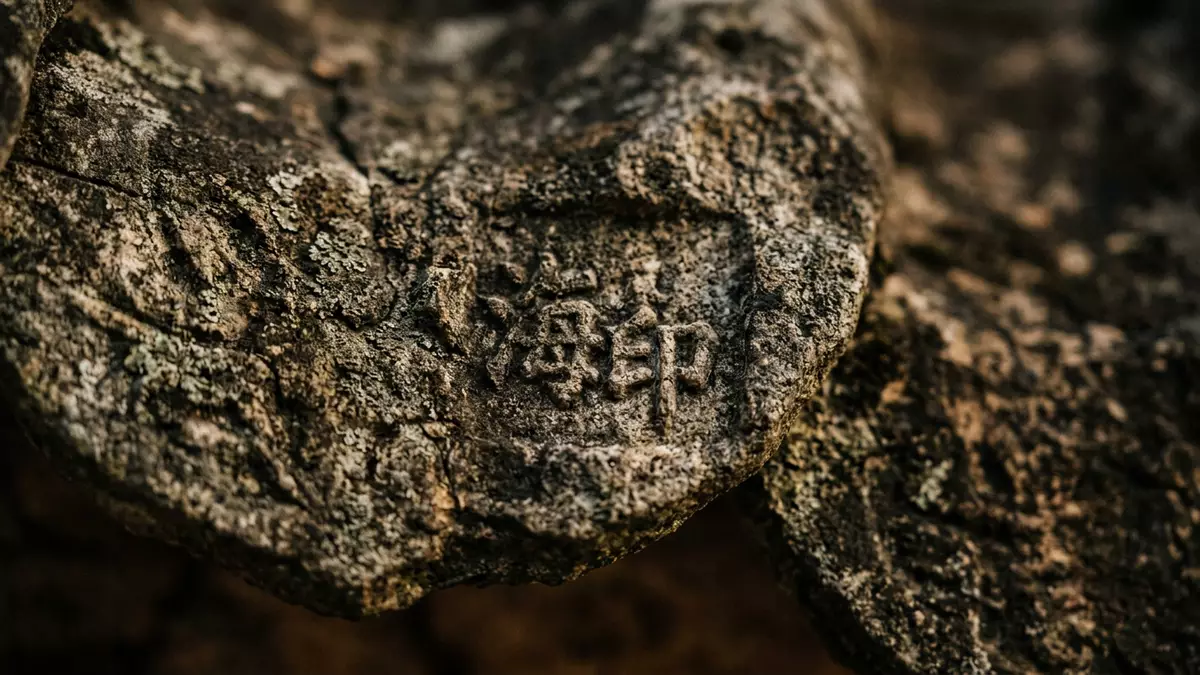
Haeinsa in Hapcheon, South Korea, is a major Buddhist temple that shelters an extraordinary wooden library of scripture high on the slopes of Gayasan Mountain. Within its compound, the Tripitaka Koreana woodblocks and the fifteenth?century Janggyeong Panjeon depository halls form one of the most remarkable combinations of religious architecture and textual heritage in East Asia.
A mountain temple in Gayasan National Park
Haeinsa stands within Gayasan National Park in South Gyeongsang Province, with the temple complex laid out on the mid?slope of Gayasan above a wooded valley. The setting brings together dense forest, granite ridges and terraced courtyards, giving the temple a layered relationship with the surrounding landscape that visitors can trace as they move uphill through its gates and courts.Gayasan National Park location
The temple is one of the great centres of Korean Buddhism, traditionally associated with the Jogye Order and recognised alongside Tongdosa and Songgwangsa as part of a triad of influential temples. Founded in 802 during the Unified Silla period, Haeinsa links the religious history of the peninsula to the wooded slopes of Gayasan, with successive dynasties adding and rebuilding halls while maintaining its role as a living monastery.built in 802 AD
The Tripitaka Koreana: a carved canon of Buddhism
The most striking feature of Haeinsa is the Tripitaka Koreana, a complete collection of Buddhist scriptures carved onto over 80,000 wooden printing blocks in the thirteenth century. The project was ordered by King Gojong of Goryeo, with carving work carried out between 1237 and 1248 after an earlier set of blocks had been destroyed during the Mongol invasions, creating a revised and carefully checked canon of Buddhist texts.engraved between 1237 and 124881,352 wooden blocks
The blocks themselves are made from carefully prepared wood, each engraved on both sides with lines of Chinese characters forming sutras, commentaries and related texts. Their accuracy and consistency have given the Tripitaka Koreana a reputation among scholars as an authoritative textual witness for the Buddhist canon, and the collection is formally designated National Treasure No. 32 in South Korea and listed in UNESCO’s Memory of the World register.National Treasure No. 32
Janggyeong Panjeon: fifteenth?century wooden depositories
To house the Tripitaka Koreana, Haeinsa developed a specialised depository complex known as Janggyeong Panjeon in the fifteenth century. These wooden halls stand slightly apart from the main worship spaces of the temple, forming a self?contained library courtyard whose architecture is carefully tuned to protect the engraved blocks from moisture and decay without modern equipment.fifteenth?century depository complex
The complex consists of several elongated storage halls arranged around a courtyard, raised on stone foundations with timber frames and earthen floors. Their status is reflected in national heritage designations: Janggyeong Panjeon is recognised as National Treasure No. 52 in South Korea, and together with the Tripitaka Koreana it forms the Haeinsa Temple Janggyeong Panjeon property inscribed on the UNESCO World Heritage List in 1995 for its cultural and religious significance.National Treasure No. 52UNESCO inscription 1995
Visiting Haeinsa: what travellers from Western Europe should know
- Haeinsa lies in Gayasan National Park near Hapcheon in South Gyeongsang Province, reached by road from regional centres such as Daegu and by local buses serving the park entrance.
- The temple complex climbs a mountain slope, with stone steps, uneven paths and terraced courtyards linking the gates, main halls and the Janggyeong Panjeon depositories.
- Within the compound, the Tripitaka Koreana depository area is separated from the main worship halls, and access routes for visitors are clearly distinguished from monastic living quarters.
- The official language is Korean and the currency is the South Korean won.
- Entry requirements depend on your nationality; UK travellers can check the FCDO travel advice at gov.uk/foreign-travel-advice, Irish travellers the Department of Foreign Affairs at ireland.ie.
Searching for Haeinsa on social platforms
These links open searches for Haeinsa on each platform.
Frequently asked questions about Haeinsa
Where is Haeinsa located?
Haeinsa is located on the slopes of Gayasan Mountain in Gayasan National Park, near Hapcheon in South Gyeongsang Province in South Korea.
What can visitors expect when visiting Haeinsa?
Visitors encounter a working Buddhist monastery with multiple stone gates, main worship halls and the specialised Janggyeong Panjeon depository area housing the Tripitaka Koreana blocks.
What makes Haeinsa distinctive among Korean temples?
Haeinsa is distinguished by the combination of its thirteenth?century Tripitaka Koreana woodblocks and fifteenth?century Janggyeong Panjeon halls, recognised together as a UNESCO World Heritage Site.