
Historisch Centrum van Brugge as a medieval canal cityscape
Published on 09/18/2026 at 17:13 | Editorial responsibility: Rafael Müller, Editor-in-Chief AD HOC NEWS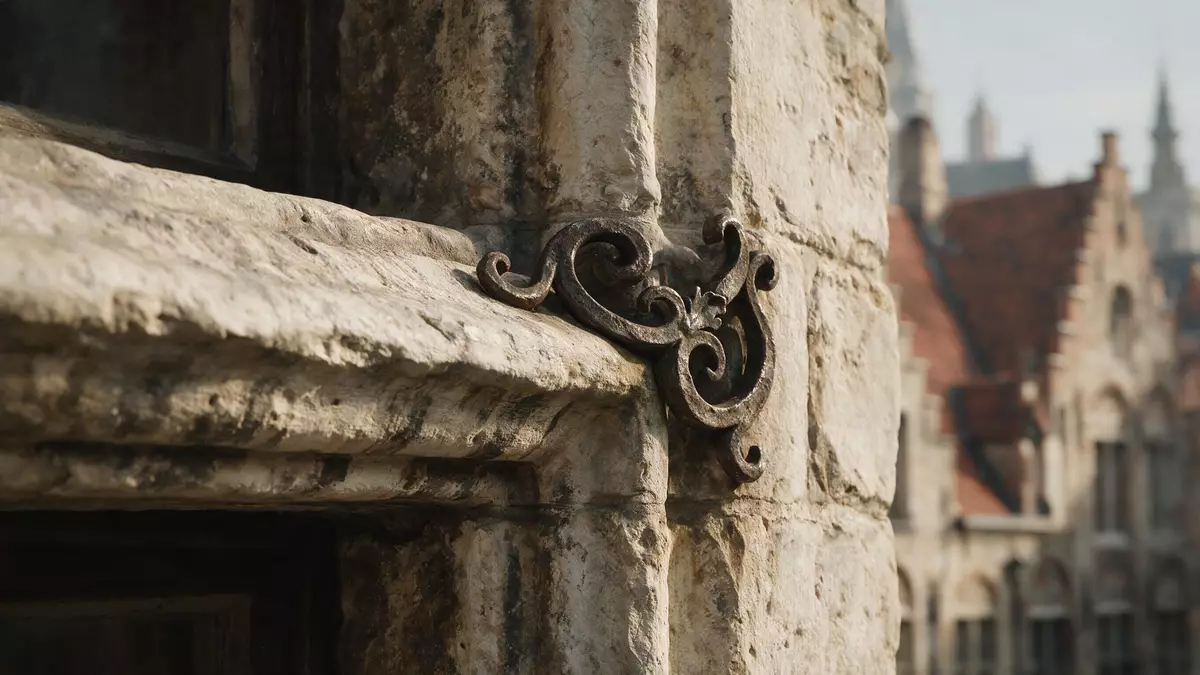
Historisch Centrum van Brugge is the medieval core of Brügge in Belgium, a compact inner city where canals, brick façades and market squares form a continuous historic fabric. Recognised as the Historic Centre of Brugge on the UNESCO World Heritage List since 30 November 2000, it preserves a dense ensemble of streets, waterways and buildings that still reflect the city’s role in medieval European trade.
Canals, streets and the medieval urban pattern
The historic centre corresponds broadly to the old city within its defensive limits, enclosed by a canal ring that follows the line of former ramparts. Within this area the street pattern is largely medieval in origin, with narrow routes connecting open squares, waterside quays and former trading districts.Historic Centre of Brugge The canal network, known locally as “reien”, threads through the inner city, creating frequent views where brick houses, warehouses and civic buildings rise directly from the water’s edge.the canal network and street pattern
Bruges developed as a major commercial centre in medieval Europe, and that mercantile past is embedded in the layout of its historic core. Market squares occupy central positions, linked to waterways that once carried goods to and from the city. The overall urban fabric illustrates successive stages of growth, with early Gothic constructions standing alongside later infill, yet the ensemble remains coherent enough for the medieval structure to be legible on foot.a medieval historic settlement
Brick Gothic architecture and civic landmarks
One of the defining features of Historisch Centrum van Brugge is its brick Gothic architecture, visible in churches, civic buildings and domestic façades across the inner city. The use of brick as a principal material in northern Europe gives Bruges a distinct texture, from stepped gables on merchants’ houses to the taller silhouettes of towers and spires.brick Gothic constructions Together, these structures form an architectural ensemble that records how commerce, religion and civic administration shared the same urban space.
Among the prominent monuments within the historic centre are the Belfry on the main market square and the Beguinage near the southern edge of the old city, both individually recognised on the World Heritage List before the entire centre was inscribed in 2000.Belfry and Beguinage recognition Religious buildings such as the Church of Our Lady rise over lower rooflines, marking the skyline along canals and streets.Church of Our Lady above the canal These landmarks, however, sit within a wider field of everyday houses, guild buildings and warehouses, underlining that the World Heritage status applies to the entire historic centre rather than isolated sites.
World Heritage recognition and cultural context
The Historic Centre of Brugge was inscribed on the UNESCO World Heritage List in 2000 as a cultural property of exceptional universal value. The inscription highlights Bruges as an outstanding example of a medieval historic settlement that has maintained its historic fabric while continuing to function as a living city.inscription year and description Within the Flemish region of Flanders in north-west Belgium, the centre forms part of a broader urban area but retains boundaries that closely follow its medieval limits.urban core in West Flanders
UNESCO’s recognition draws attention not only to architecture and urban form but also to Bruges’ cultural history. The city held a significant position in medieval commerce and is closely associated with the Flemish Primitives, a school of painting whose works reflect the same world of civic pride, religious life and mercantile wealth found in the streets and buildings.association with Flemish Primitive painting The historic centre encapsulates that period, offering an urban landscape where canals, squares and brick façades still align with the patterns set in the thirteenth century and later medieval centuries.
Visiting Historisch Centrum van Brugge: what travellers from Western Europe should know
- Historisch Centrum van Brugge occupies the inner city of Brügge in the province of West Flanders in north-west Belgium. It is reached by rail services to Bruges railway station, from where streets and canal-side routes lead into the historic core.
- The terrain within the historic centre is largely flat, but many viewpoints involve cobbled streets and stepped access inside towers or between canal bridges.
- Canals and the line of former city walls shape a roughly ring-like boundary around the historic centre, with bridges giving frequent crossing points between neighbourhoods.
- The official languages of Belgium include Dutch, and the national currency is the euro (EUR).
Searching for Historisch Centrum van Brugge on social platforms
These links open searches for Historisch Centrum van Brugge on each platform.
Frequently asked questions about Historisch Centrum van Brugge
Where is Historisch Centrum van Brugge located?
Historisch Centrum van Brugge forms the inner city of Brügge in the province of West Flanders, in the north-west of Belgium, broadly within the old defensive limits.
What should visitors expect on a visit?
A visit centres on walking through cobbled streets, crossing canals and exploring market squares, churches and civic buildings set within a dense medieval urban fabric.
What makes Historisch Centrum van Brugge distinctive?
It is distinctive because the entire medieval city fabric, including streets, canals and buildings, is recognised as a single UNESCO World Heritage site for its brick Gothic architecture and preserved trading-era structure.


