
Hopewell Rocks and the tide-sculpted coast of Hopewell Cape
Published on 09/05/2026 at 15:22 | Editorial responsibility: Rafael Müller, Editor-in-Chief AD HOC NEWS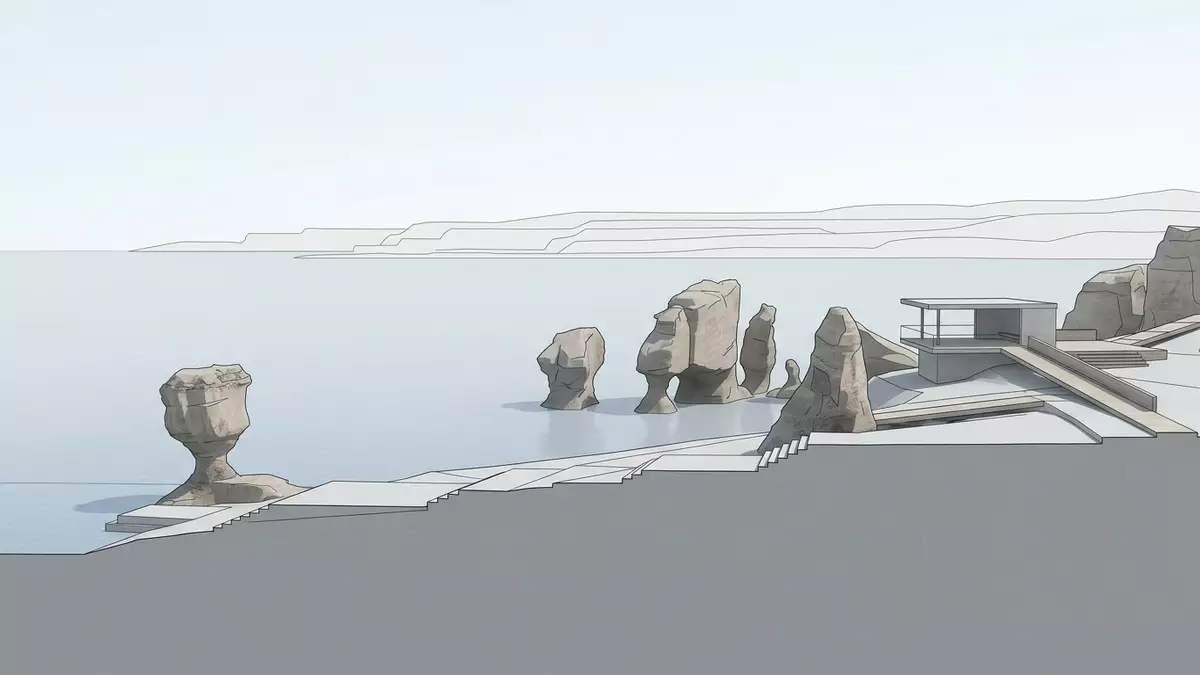
At Hopewell Cape on the coast of New Brunswick, Hopewell Rocks form a series of tide-carved pillars that rise from the shore of the Bay of Fundy and change character with every turn of the tide. The formations stand on the ocean floor of Shepody Bay, where the sea withdraws and returns through one of the world’s most dramatic tidal ranges, exposing sandstone stacks that have become a defining image of Atlantic Canada.
Sandstone stacks on the Bay of Fundy shore
Hopewell Rocks lie along the upper reaches of the Bay of Fundy, in a stretch of coastline where the tide in places rises and falls by more than 10 m (33 ft) between low and high water. The formations stand on the shore of Shepody Bay, a northern arm of the Bay of Fundy, beside the small settlement of Hopewell Cape in eastern New Brunswick.upper reaches of the Bay of Fundy The provincial park around them is reached by road along Highway 114 from Moncton and forms part of a sequence of Fundy coastal destinations that also includes Fundy National Park and the Fundy Trail Parkway.Hopewell Cape is on Highway 114
The rock pillars at Hopewell are widely known as “flowerpot” rocks, a term that refers to the way trees and vegetation stand on top of narrow sandstone bases. At high tide the stacks appear as scattered islets, their trunks partly submerged and their crowns forming small wooded caps above the water. When the tide retreats, visitors can walk on the exposed ocean floor between the bases of the stacks, looking up at walls that reach heights comparable with multi-storey buildings and seeing how the sea has carved arches, coves and recesses into the cliff line.walk on the ocean floor
Geology shaped over millions of years and extreme tides
The bedrock at Hopewell Rocks belongs to the Hopewell Cape Formation, a Lower Carboniferous sequence of sedimentary rock that has been moulded by the sea and earlier glacial processes. The formations are sandstone sea stacks: pillars detached from the main cliff, separated by erosion along joints and weaknesses in the rock and sculpted into slender forms that carry trees and soil on their tops.Hopewell Cape Formation Weathering and the swing of the tide have undercut the bases, creating narrow necks that contrast with the wider caps above.
The Bay of Fundy is known for having one of the largest tidal ranges on Earth, and that difference between high and low tide is clearly visible at Hopewell Rocks. In parts of the bay, the water level can shift by over 10 m (33 ft) through a single cycle, and the exposed shore at Hopewell reflects that amplitude in the height of the cliffs and the staining on the rock. The tides have carved channels between the stacks and left patterns in the sandstone that reveal layers, pebbles and cross-bedding from the original sediments.extreme change in the tide The contrast between high and low water gives the site a double character: a bay with scattered towers at high tide and a broad expanse of ocean floor with cliffs and isolated pillars at low tide.
A coastal park framing a changing landscape
Hopewell Rocks form the centrepiece of Hopewell Rocks Provincial Park, a coastal park that preserves the sea stacks and the surrounding forested cliffs. Paths and viewpoints run along the top of the escarpment, looking out over Shepody Bay and down onto the pillars. From above, visitors can watch the tide flooding around the bases of the stacks and see how the shapes of the formations align along the curve of the shore.Hopewell Rocks Provincial Park
The provincial park lies within a wider region that has drawn attention for its geology and coastal scenery, including the designation of the area as part of a geopark programme recognising its stratigraphy, fossils and landforms.most photographed geologic features Within this setting, Hopewell Rocks stand out for the way the forest grows directly on top of narrow sandstone columns and for the opportunity to view the same formations from the clifftop and from the ocean floor.
Visiting Hopewell Rocks: what travellers from Western Europe should know
- Hopewell Rocks are in Hopewell Cape in eastern New Brunswick, on the coast of Shepody Bay, reached by road along Highway 114 from Moncton.
- The terrain includes a clifftop path and an approach to the ocean floor, with stairways and shore sections on packed sediment and rock that can be uneven underfoot.
- The surrounding region forms part of the Bay of Fundy coast, so coastal viewpoints, forested trails and small settlements sit within a short drive of the park.
- The official language is English and the currency is the Canadian dollar.
- Entry requirements depend on your nationality; UK travellers can check the FCDO travel advice at gov.uk/foreign-travel-advice, Irish travellers the Department of Foreign Affairs at ireland.ie.
Searching for Hopewell Rocks on social platforms
These links open searches for Hopewell Rocks on each platform.
Frequently asked questions about Hopewell Rocks
Where are Hopewell Rocks located?
Hopewell Rocks are on the shore of Shepody Bay at Hopewell Cape in eastern New Brunswick, on the upper Bay of Fundy coast.
What can visitors expect during a visit?
Visitors can view sandstone sea stacks from clifftop lookouts and, when conditions permit, walk on the exposed ocean floor between the bases of the pillars.
What makes Hopewell Rocks distinctive?
Hopewell Rocks are distinctive for their narrow sandstone columns topped with trees and for the pronounced tidal range that alternately isolates and exposes the formations.


