Hwange National Park’s wide horizons and restless wildlife
Published on 08/20/2026 at 08:26 | Editorial responsibility: Rafael Müller, Editor-in-Chief AD HOC NEWS
Hwange National Park in western Zimbabwe spreads across a broad, sandy plateau where elephant paths, acacia woodland and open pans share the same wide horizon. Founded as a game reserve in 1928 and later proclaimed a national park, it lies in the north-western part of the country close to the Botswana border and takes its name from a local Nhanzwa chief, Hwange Rosumbani.Founded in 1928 as a game reserve it remains the largest national park in Zimbabwe, covering roughly 14,600 km² of drought-prone bushveld.The park is Zimbabwe’s largest protected area
A Kalahari landscape on the edge of Hwange
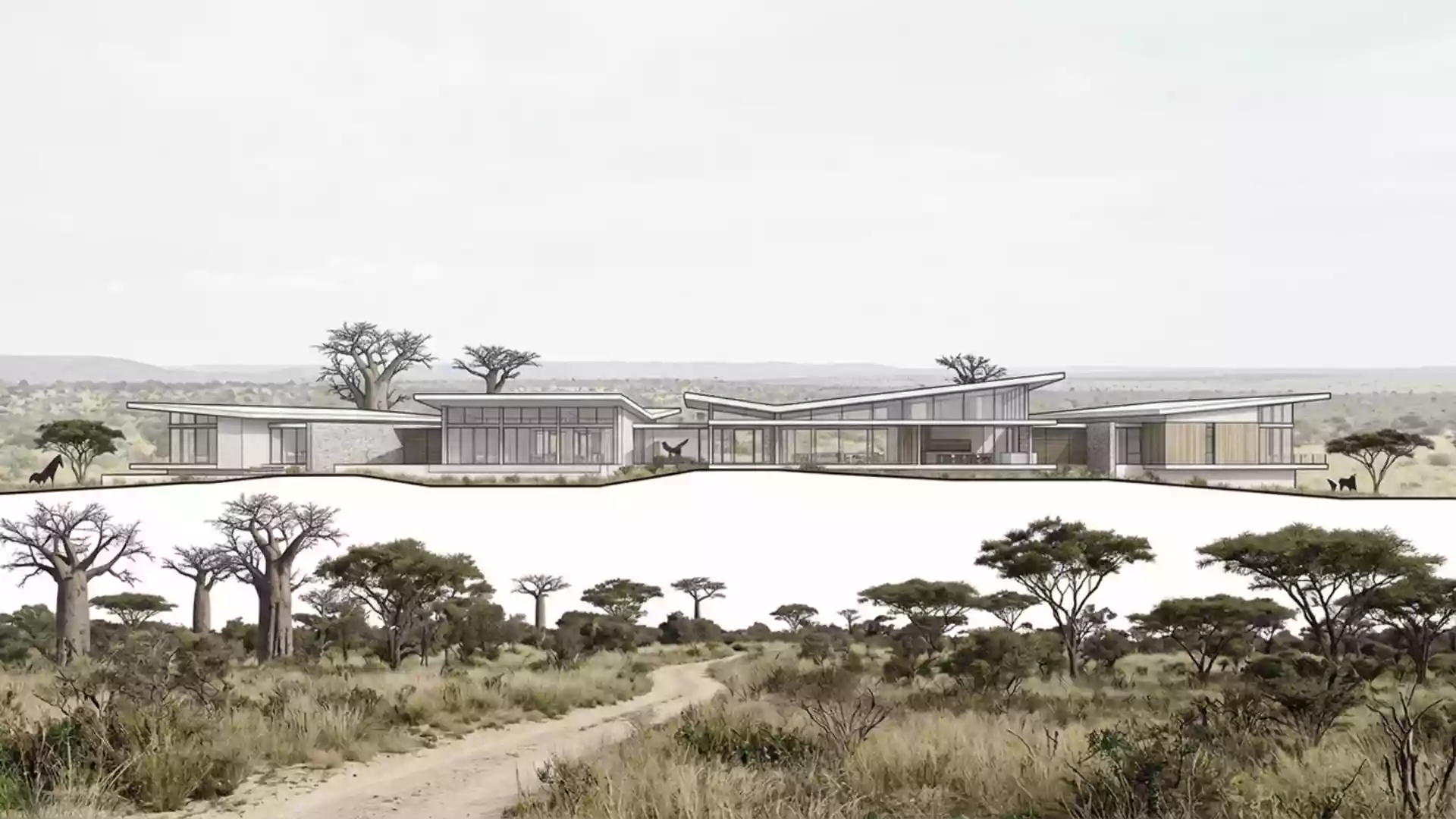
Hwange National Park occupies part of the Kalahari sand basin, and large areas of the park consist of gently undulating sandy soils with low ridges and shallow depressions.Much of the terrain is a flat, sandy plain Across these plains stretch mosaics of open grassland, patches of teak and mopane woodland and scattered seasonal pans that fill with water after the rains. The western boundary of the park forms part of Zimbabwe’s frontier with Botswana, and to the north-west the protected landscape links ecologically with other reserves across the border.The park lies on the Botswana frontier
Within this broad expanse, Hwange National Park is divided administratively into sectors, including Main Camp near the road from Bulawayo, Sinamatella to the north and Robins in the far north-west.The park is organised into Main Camp, Sinamatella and Robins Each sector combines open vleis, lightly wooded ridges and artificial waterholes, and visitors travelling between them experience long stretches of bush punctuated by viewpoints, picnic clearings and game-viewing loops. The overall impression is of a single continuous wilderness that nevertheless changes subtly in vegetation and relief from one part to another.
Elephants, predators and the drama at the pans
Hwange National Park has a recorded list of over 100 mammal species and nearly 400 bird species, making it one of the most wildlife-rich protected areas in southern Africa.Around 100 mammals and 400 birds are recorded Large herbivores include elephant, buffalo, giraffe, zebra and several antelope species such as kudu, sable and roan, while predators range from lion and leopard to spotted hyaena and cheetah. Endangered African wild dogs also roam portions of the park, using the thickets and open clearings around the pans as hunting grounds.African wild dog, roan and sable occur in the park
For visitors on game drives, the focal points of this wildlife spectacle are the natural and pumped waterholes scattered across the landscape. During the dry months, elephants arrive at many of these pans in sizeable groups, sharing the water with zebra, giraffe and herds of buffalo. Birdlife concentrates around the water as well, from fish-eating species at the larger pans to raptors circling above the open areas. Even away from the water, drives along sandy tracks through teak woodland and mixed bushveld can yield encounters with kudu, impala and smaller predators moving between the trees.
Human history and the making of a protected area
The land that became Hwange National Park carries traces of human presence long before its twentieth-century proclamation. Archaeological research in the wider area identifies Bantu-speaking communities living there between around AD 400 and 800, followed in the early nineteenth century by Ndebele groups under King Mzilikazi, who used parts of the region as royal hunting grounds.The area was a royal hunting reserve under Mzilikazi In the colonial period the territory was declared Wankie Game Reserve in 1928, with Ted Davison appointed as its first warden.
Over the following decades the reserve was expanded and eventually reclassified as a national park, while its official English name shifted from Wankie to Hwange.The former Wankie Game Reserve became a national park in the early twentieth century The park’s hardwood woodlands include valuable species such as Zimbabwean teak and mukwa, and the combination of protected forest and waterholes has created one of Africa’s major elephant sanctuaries.Hardwood species like Zimbabwean teak grow in the park The name Hwange itself commemorates Chief Hwange Rosumbani, linking the reserve not only to its wildlife but also to the people whose identity is tied to the region.The park is named after Chief Hwange Rosumbani
Visiting Hwange National Park: what travellers from Western Europe should know
- Hwange National Park lies in the north-west of Zimbabwe between Bulawayo and Victoria Falls, with main vehicle access points near the Hwange and Dete areas on the road linking these two centres.The park sits between Bulawayo and Victoria Falls
- The terrain consists largely of Kalahari sand, so many game-drive tracks and access roads are unpaved and can be sandy under tyre and underfoot.
- Game-viewing areas are spread across a wide area, and reaching different sectors by road can involve long stretches of driving through bush with sparse facilities.
- The official language is English and the currency is the Zimbabwean dollar.
- Entry requirements depend on your nationality; UK travellers can check the FCDO travel advice at gov.uk/foreign-travel-advice, Irish travellers the Department of Foreign Affairs at ireland.ie.
Searching for Hwange National Park on social platforms
These links open searches for Hwange National Park on each platform.
Frequently asked questions about Hwange National Park
Where is Hwange National Park?
Hwange National Park is in north-western Zimbabwe near the town of Hwange, between Bulawayo and Victoria Falls, with its western boundary along the Botswana border.
What can visitors expect on a visit to Hwange?
Visitors travel through Kalahari sand bushveld and open pans, with chances to see elephants, buffalo, big cats, African wild dogs and diverse birdlife concentrated around waterholes.
What makes Hwange National Park distinctive among African parks?
Hwange combines one of Africa’s largest elephant populations with extensive protected teak and mopane woodland across a single, contiguous landscape of more than 14,000 km².