
Hwange National Park, where Zimbabwe’s dry plains teem with wildlife
Published on 08/17/2026 at 13:37 | Editorial responsibility: Rafael Müller, Editor-in-Chief AD HOC NEWS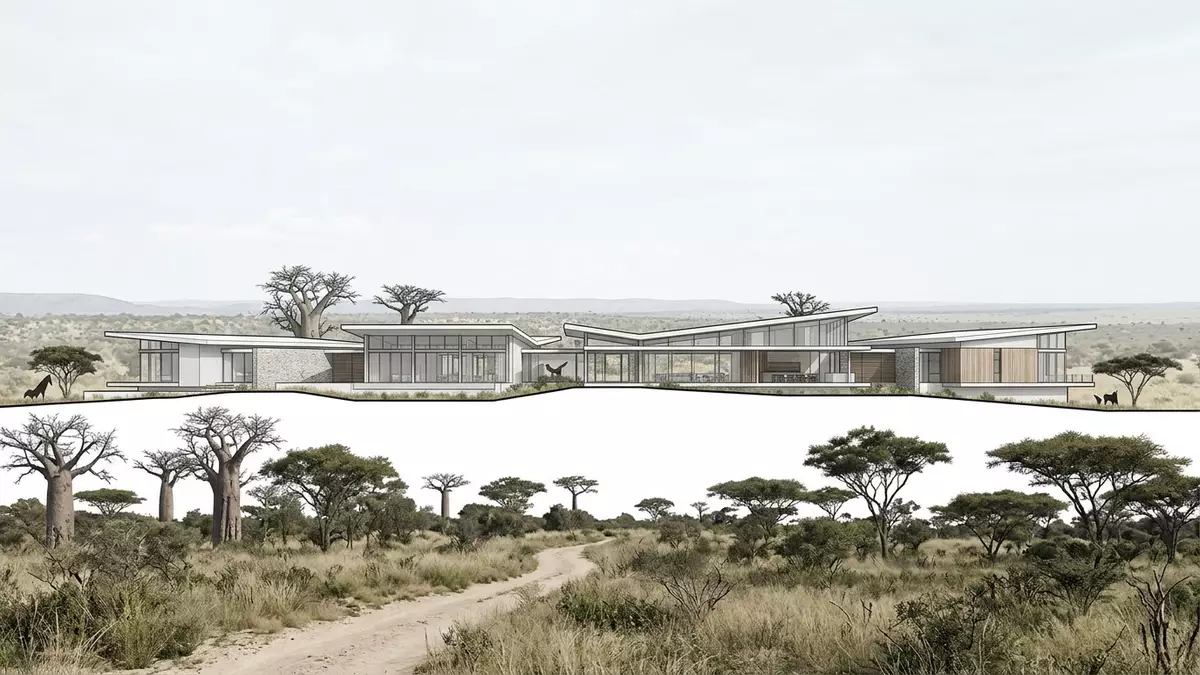
Hwange National Park in western Zimbabwe is a vast, semi?arid reserve where elephants, artificial waterholes and open plains together define the experience of being on safari.
A giant savanna between Bulawayo and Victoria Falls
Hwange National Park lies in the north?west of Zimbabwe, between the cities of Bulawayo and Victoria Falls and close to the border with Botswana.northwestern Zimbabwe The park falls within Hwange District in Matabeleland North Province, with the small town of Hwange acting as a gateway settlement on the main road towards Victoria Falls.Matabeleland North Province
Covering around 14,600 to 14,650 km² (about 5,600 sq mi), Hwange is the largest national park in Zimbabwe and ranks among Africa’s broadest protected landscapes.largest national park in Zimbabwe The terrain is largely flat, sitting at roughly 950 to 1,100 m (3,117 to 3,609 ft) above sea level across a plateau that extends westwards to the Botswana frontier.elevation and area
From game reserve to elephant stronghold
The origins of Hwange as a protected area date back to 1928, when it was proclaimed a game reserve under colonial administration.proclaimed in 1928 It later gained national park status in the mid?twentieth century, becoming Zimbabwe’s oldest national park and a cornerstone of conservation in the country.oldest national park
Initially known as Wankie Game Reserve, the park took on the name Hwange National Park as political geography evolved, mirroring the nearby town that grew as a coal?mining and tourism centre.formerly Wankie Game Reserve Its position on the edge of the Kalahari Desert gives Hwange a semi?arid climate, with pronounced dry and wet seasons that shape the rhythms of animal movement and vegetation across the plains.semi?arid climate
Wildlife drawn to man?made pans
Hwange is best known for its elephants, with very large herds depending on the park’s network of man?made, pumped waterholes known locally as pans.large elephant population In the dry winter months the natural surface water largely disappears, and animals congregate around these pans where boreholes and pumps keep water available.pumped waterholes
The park holds one of Africa’s most diverse assemblages of mammals, with over 100 species recorded, and hundreds of bird species ranging from raptors to migrant wetland birds.mammal and bird diversity Lion, leopard, cheetah and spotted hyena patrol the plains and woodlands, while African wild dog, sable antelope and roan antelope add to the sense that Hwange is a broad cross?section of southern African savanna life.range of large mammals
Landscapes of teak woodland and open grass
Hwange’s scenery is a mixture of open grassland, scattered acacia trees and blocks of hardwood forest dominated by zambezi teak and mukwa, creating a patchwork that changes character as travellers move through the park.hardwood forests In some sectors the soils are sandy and carry low shrub and grass communities, while other areas support thicker woodland on slightly heavier soils.
The park is divided into management units centred on Main Camp, Sinamatella and Robins, each with its own mix of plains, woodlands and pans that lend a different feel to game drives.Main Camp, Sinamatella and Robins Across these sectors, the flat horizon and broad skies underline the scale of Hwange, especially where elephants, buffalo and other herd animals gather in numbers around pumped water.
Visiting Hwange National Park: what travellers from Western Europe should know
- Hwange National Park lies along the main road between Bulawayo and Victoria Falls, with access roads leading from highway junctions such as Cross Mabale towards park camps.
- The terrain is predominantly flat savanna at moderate altitude, with long stretches of sandy bush tracks and areas of hardwood woodland that can make driving demanding away from main roads.
- Hwange town and smaller settlements near the Bulawayo–Victoria Falls highway function as service points for the park, with turn?offs leading towards Main Camp, Sinamatella and Robins areas.
- The official language of Zimbabwe is English and the national currency is the Zimbabwean dollar.
- Entry requirements depend on your nationality; UK travellers can check the FCDO travel advice at gov.uk/foreign-travel-advice, Irish travellers the Department of Foreign Affairs at ireland.ie.
Searching for Hwange National Park on social platforms
These links open searches for Hwange National Park on each platform.
Frequently asked questions about Hwange National Park
Where is Hwange National Park?
Hwange National Park is in north?western Zimbabwe, between Bulawayo and Victoria Falls, close to the border with Botswana and within Hwange District.
What should visitors expect on a safari in Hwange?
Visitors encounter expansive savanna and woodland where elephants, antelope and predators concentrate around pumped waterholes, with long game drives across relatively flat, semi?arid terrain.
What makes Hwange National Park distinctive among African parks?
Hwange combines Zimbabwe’s largest protected area with a dense wildlife community, especially elephants and African wild dogs, supported by an extensive network of artificial pans.


