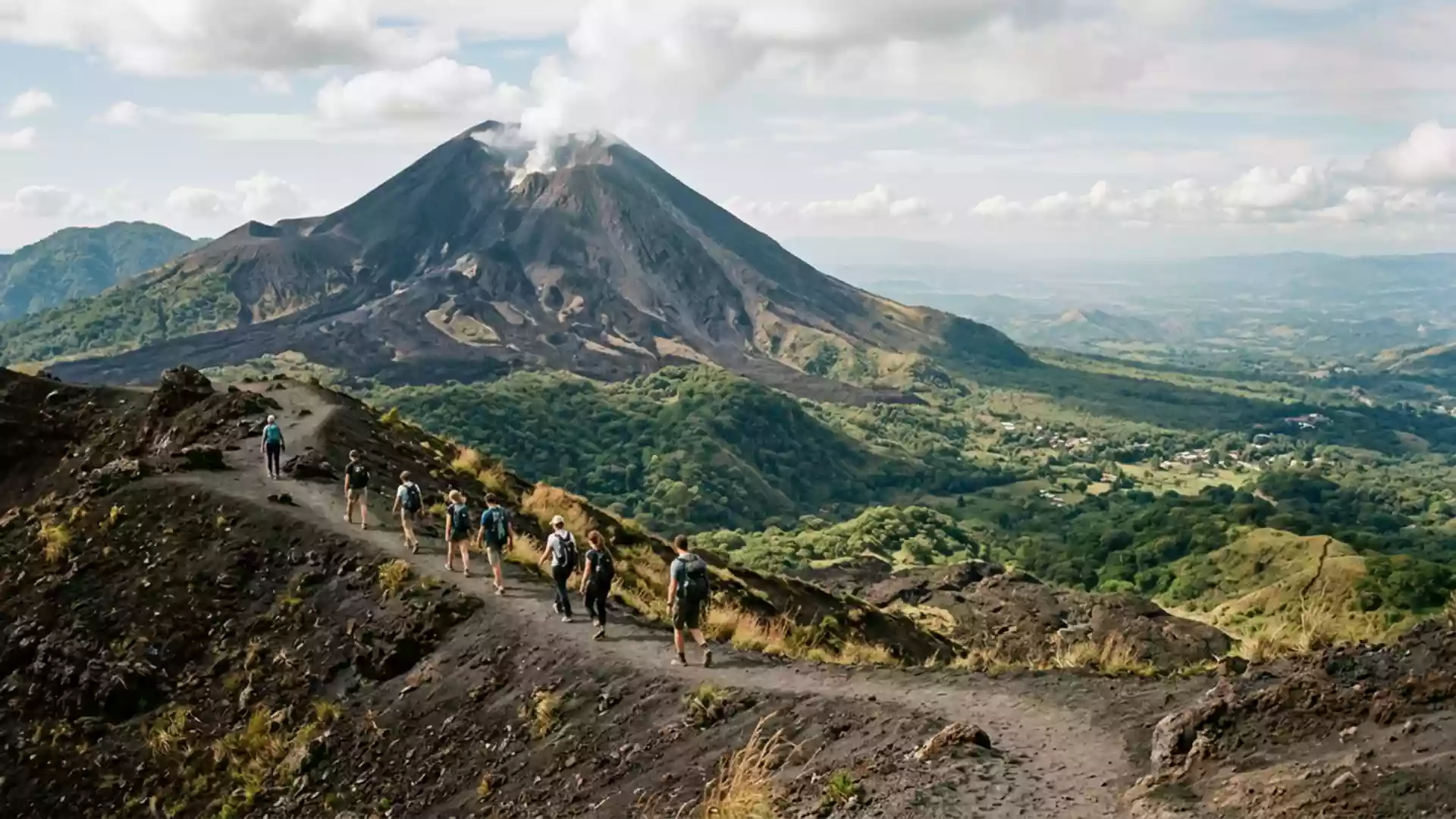
INSIVUMEH warns visitors at Pacaya Volcano on 12 November
Published on 11/14/2026 at 18:01 | Editorial responsibility: Rafael Müller, Editor-in-Chief AD HOC NEWSAccess rules and volcanic setting
- The 12 November 2026 bulletin came from INSIVUMEH and named Pacaya Volcano in Guatemala.
- Visitors were told to avoid western lava flows, fissures and the Mackenney crater.
- Smithsonian records Pacaya at 2,569 m and its last known eruption in 2021.
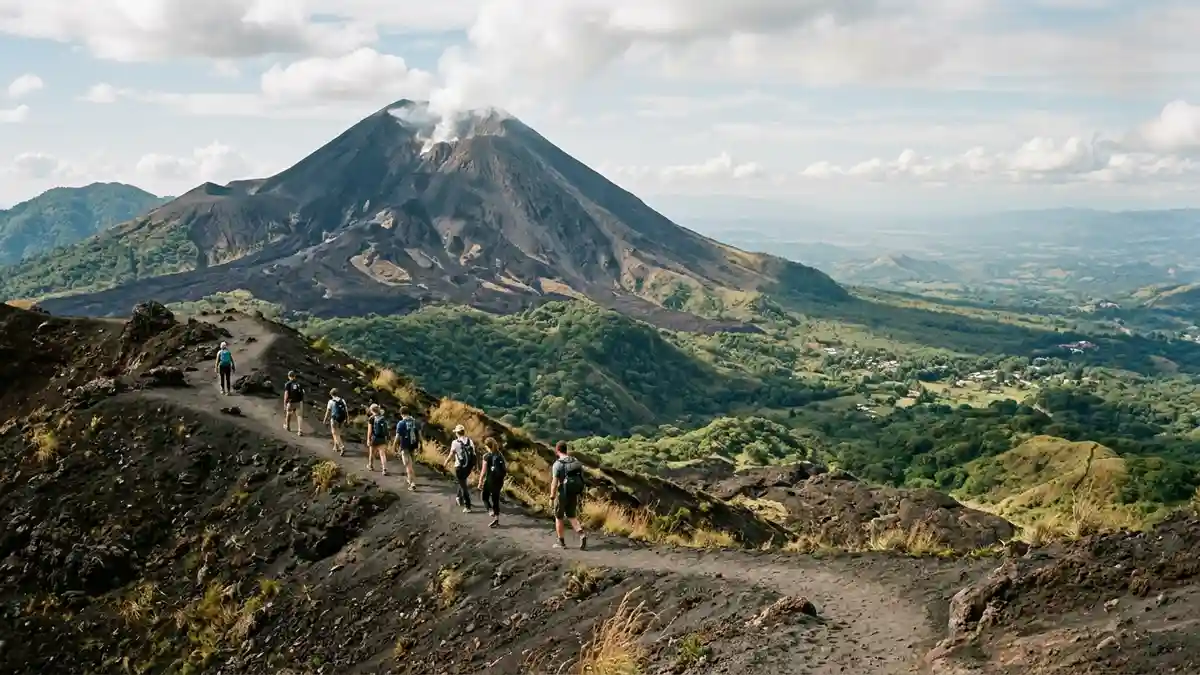
Pacaya Volcano (Volcan de Pacaya) near Escuintla, Guatemala, was the subject of a visitor warning issued by INSIVUMEH on 12 November 2026. The official bulletin reports weak degassing and tells guides and tourists to avoid the western lava flows, fissures and the Mackenney crater.
The warning matters for anyone planning a volcanic hike during November 2026 because the permitted route does not include the summit crater or unstable lava areas.
INSIVUMEH warning covers Pacaya access on 12 November
INSIVUMEH classified the site as a composite stratovolcano with Strombolian activity in its daily bulletin for 12 November 2026. The document identifies Pacaya in Guatemala and places the volcano at an elevation of 2,552 metres above sea level.
The bulletin says that weak gas emissions lifted columns of water vapour and other magmatic gases above the Mackenney crater. It reports no visible incandescence, while seismic sensors recorded no activity linked to explosions or rumbling. The 12 November volcanic bulletin also advises guides and tourists not to walk on the western lava flows or fissures, and not to climb the Mackenney crater.
That advice is linked to two stated hazards. The western areas can fracture easily and cause serious injuries, while constant degassing near the crater can release harmful or potentially fatal gases. The bulletin also mentions falling material inside the crater.
Pacaya Volcano combines a 2026 warning with a long eruptive record
The current warning concerns the same Mackenney crater that has shaped the volcano’s recent activity. The Smithsonian Institution’s Global Volcanism Program lists Pacaya at 2,569 metres and records its last known eruption in 2021.
Its historical profile describes persistent activity around Mackenney crater since 1961, including lava flows and Strombolian explosions during the 2015 to 2021 eruptive period. Lava-flow activity from the major 2020 and 2021 events ceased in May 2021, according to the Smithsonian volcano profile.
The relationship between the 2026 warning and that record is practical rather than historical: visitors can encounter a monitored active volcano without being permitted to approach its most hazardous features. The November bulletin describes gas emissions without reporting incandescence or explosions, but it still keeps the crater and western lava terrain outside the visitor route.
Visiting Pacaya Volcano: what travellers from Western Europe should know
- The visitor warning is dated 12 November 2026 and concerns Pacaya in San Vicente Pacaya, Escuintla.
- The western lava flows and fissures are off limits, and the Mackenney crater is not an area for visitors to climb.
- The volcano is in Guatemala, where Spanish is the official language and the national currency is the Guatemalan quetzal.
- Entry requirements depend on your nationality; UK travellers can check the FCDO travel advice at gov.uk/foreign-travel-advice, Irish travellers the Department of Foreign Affairs at ireland.ie.
Searching for Pacaya Volcano on social platforms
These links open searches for Pacaya Volcano on each platform.
Frequently asked questions about Pacaya Volcano
What changed at Pacaya Volcano on 12 November 2026?
INSIVUMEH issued a visitor warning covering the western lava flows, fissures and the Mackenney crater. The bulletin reports weak degassing and no explosion-related seismic activity.
Where is Pacaya Volcano and how do you get there?
It is in the Escuintla area of Guatemala, near San Vicente Pacaya. The official bulletin identifies San Vicente Pacaya as the relevant municipality.
What is Pacaya Volcano?
It is a composite stratovolcano whose last known eruption was in 2021. The Smithsonian Institution lists its elevation as 2,569 metres.