Intramuros and the walled core of Manila
Published on 08/09/2026 at 15:17 | Editorial responsibility: Rafael Müller, Editor-in-Chief AD HOC NEWS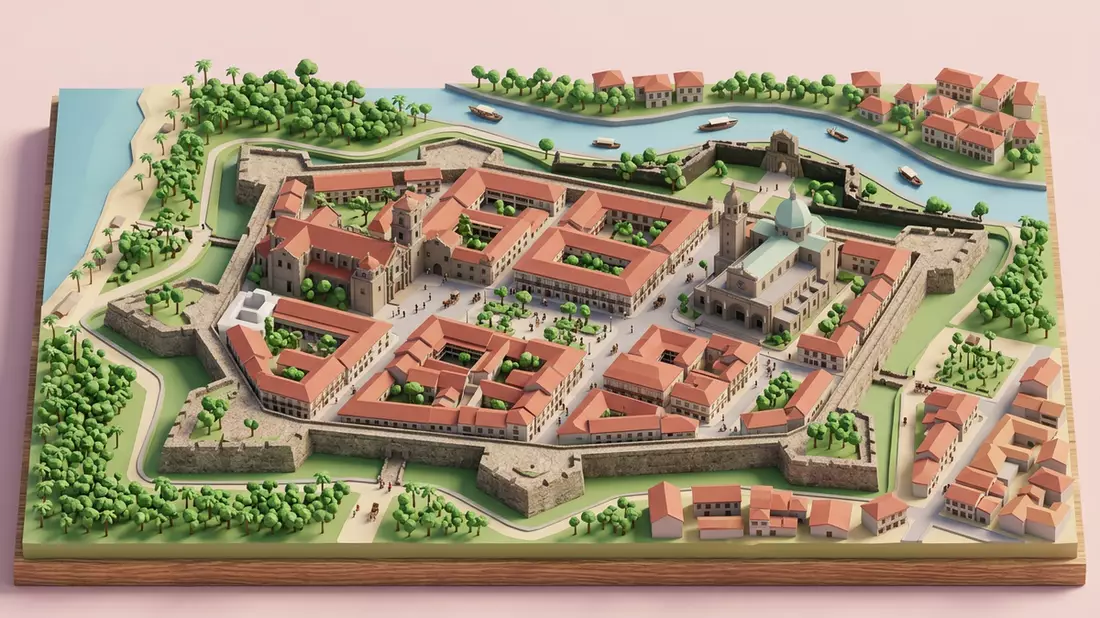
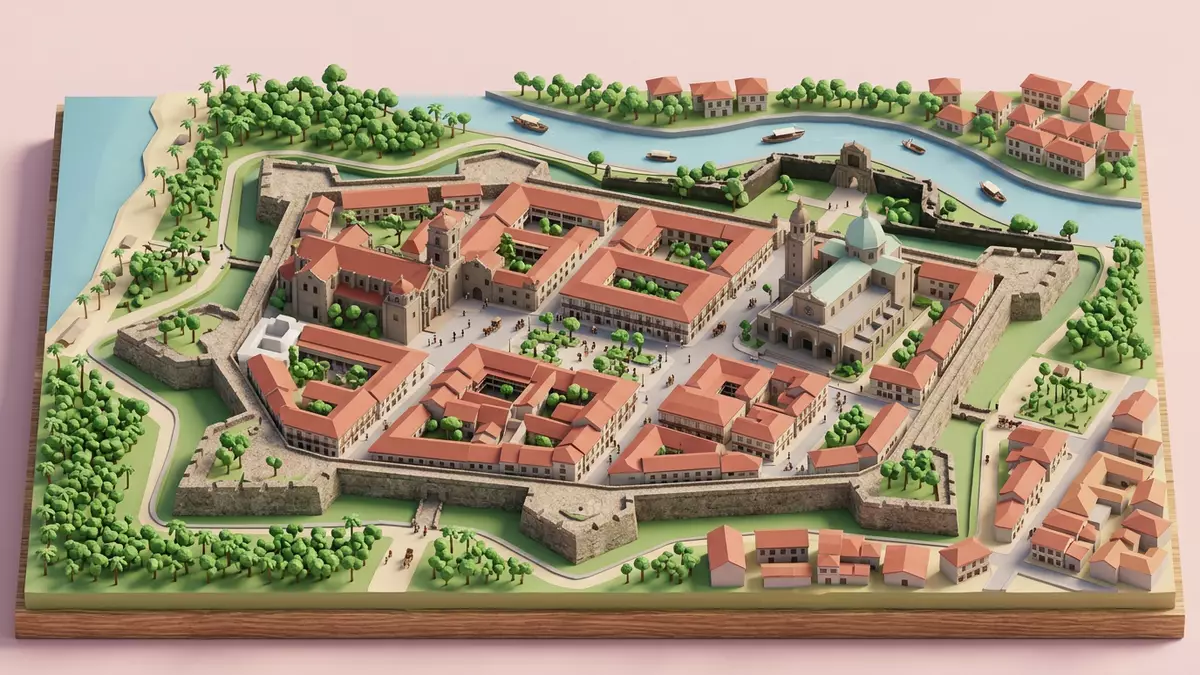
Intramuros is Manila’s historic walled district, laid out under Spanish rule from the late sixteenth century. Its stone gates, ramparts and church remains give the old city a tightly framed character that still reads clearly at street level.
Stone walls and city gates in Intramuros
The enclosure is the first thing most visitors notice. Thick masonry walls run beside roads and gardens, while gates open the district to traffic and pedestrians.
Within that perimeter, the streets feel formal in plan, with plazas, courtyards and church fronts set against older defensive fabric. Fort Santiago, the best-known fortification inside Intramuros, adds another layer of Spanish-era military architecture.
Churches, ruins and civic traces
Intramuros also preserves major religious landmarks. San Agustin Church, completed in 1607, is the oldest stone church in the Philippines and a key survival from the colonial city.
Across the district, ruined walls and reconstructed façades sit beside schools, offices and museums. That mix gives the area a working urban life alongside its historical fabric.
Spanish Manila and the shape of the old city
The district grew as the centre of Spanish Manila, with power, worship and administration concentrated inside the walls. Its present form reflects that colonial core, even after wartime destruction and later rebuilding.
Stone, brick and plaster dominate the view, with narrow streets and open squares linking churches, bastions and gates. The result is a compact historic quarter that reads as both a fortification and a city centre.
Visiting Intramuros: what travellers from Western Europe should know
- Intramuros lies in central Manila and is reached by road, taxi, ride-hailing services and public transport.
- Admission arrangements and opening hours are set by the site's operator and change with the season; the official website is the only binding source.
- The dry months are usually the easiest time for walking, while shaded streets help in hotter parts of the day.
- The district has uneven pavements, long stretches of walking and some steep or worn stone surfaces.
- English is widely used in visitor-facing settings, and local payment practices vary by venue.
- Entry requirements depend on your nationality. UK travellers should check the FCDO travel advice at gov.uk/foreign-travel-advice; Irish travellers the Department of Foreign Affairs at ireland.ie; EU and EEA citizens their own national foreign ministry.
Searching for Intramuros on social platforms
These links open searches for Intramuros on each platform.
Frequently asked questions about Intramuros
Where is Intramuros?
Intramuros sits in Manila, within the Philippine capital’s older urban core. It is the historic walled district associated with Spanish colonial Manila.
What should visitors expect?
Expect stone walls, church ruins, gates and streets that reward slow walking. The district combines heritage sites with active city uses.
What makes Intramuros distinctive?
Its defining feature is the survival of a Spanish colonial walled city inside modern Manila. The walls, churches and fortifications create a clearly bounded historic landscape.