
Isla Holbox, the sand-and-mangrove island off Mexico’s Yucatán
Published on 09/19/2026 at 22:03 | Editorial responsibility: Rafael Müller, Editor-in-Chief AD HOC NEWS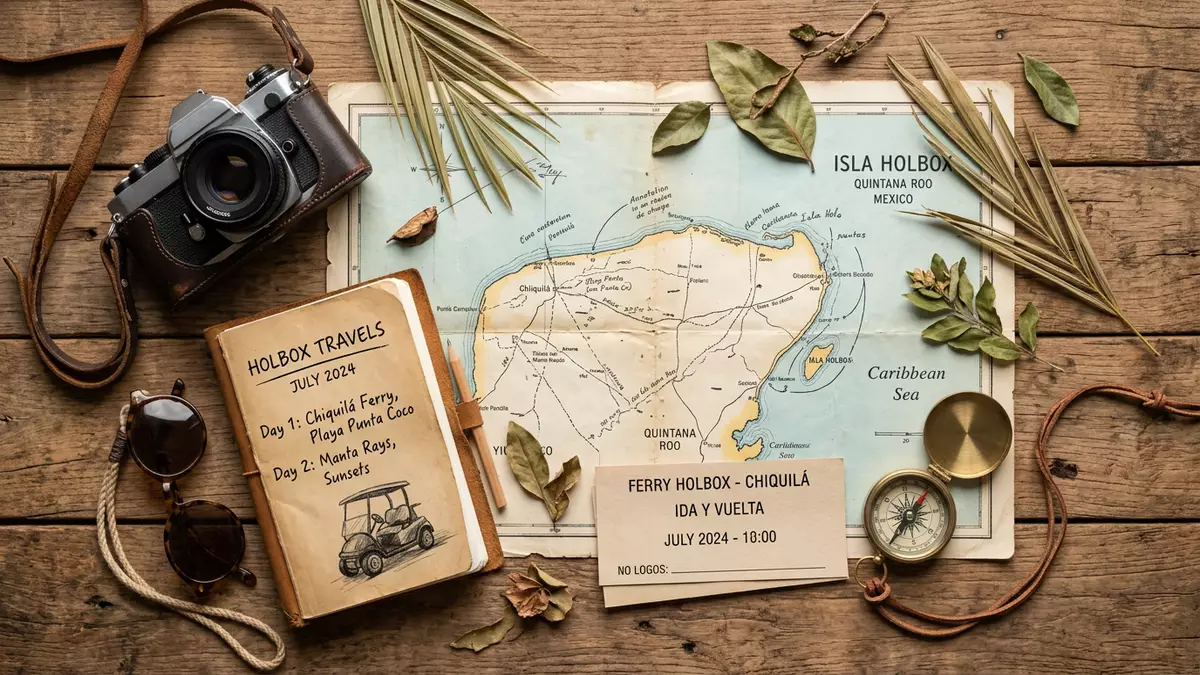
Isla Holbox, off the northern coast of Mexico’s Yucatán Peninsula, is a long, narrow island of pale sand, mangrove thickets and shallow lagoon water that has turned quietly into a classic low-rise beach escape. Set within the Yum Balam ecological reserve in Quintana Roo and extending for several dozen kilometres between the Gulf of Mexico and the Caribbean Sea, it combines a compact village called Holbox with long reaches of undeveloped shoreline and protected wetlands.
Sandbar proportions and a lagoon-bound setting
Holbox is a barrier island off the north coast of the Yucatán Peninsula in the Mexican state of Quintana Roo, separated from the mainland by a shallow lagoon that visitors cross by boat from the small port of Chiquilá.barrier island off the north coast The island runs for well over 40 km (about 26 miles) from west to east while remaining only a couple of kilometres wide, giving it the elongated proportions of a sandbar with water never far from sight on either side.runs for well over 40 km
This slender strip of land lies where the Gulf of Mexico meets the Caribbean Sea, and large stretches form part of the Yum Balam Biosphere Reserve and Flora and Fauna Protection Area, a designation that keeps much of the island’s interior in mangrove and coastal scrub rather than resort development.part of the Yum Balam Biosphere Reserve Towards the north coast, long beaches run almost unbroken along the outer shore, backed in many places by shallow dunes and patches of vegetation. On the lagoon side, inlets and channels cut into mangrove stands, giving a more intricate shoreline with sheltered shallows.
Holbox village and a car-light way of moving around
The settlement of Holbox stands towards the western end of the island, a compact grid of sandy streets, small squares and low-rise buildings in bright colours that house cafés, guesthouses and local businesses.compact grid of sandy streets Cars are largely absent from these streets, and day-to-day movement relies on walking, bicycles and small golf-cart style vehicles, which gives the village an unusually quiet traffic character compared with resort towns along the Riviera Maya.cars are largely absent
Many of the streets remain unpaved and consist of packed sand, with simple kerbs and drainage channels rather than formal boulevards. Murals and painted signs on house fronts and boundary walls bring local colour to the low-rise skyline, which rarely rises beyond a few storeys and leaves most views open to the sky. From the edge of the village, informal paths and shoreline tracks lead directly out onto the main north-facing beach, where simple wooden structures and small piers extend out into the water.
Protected nature, long beaches and shallow water
Isla Holbox forms part of Mexico’s largest ecological reserve under the Yum Balam designation, and large areas of the island remain in a natural state of mangrove, lagoons and low coastal forest that provides habitat for birdlife and marine species.Mexico’s largest ecological reserve The lagoon that separates Holbox from the mainland holds flamingos, pelicans and other coastal birds in the shallows, and the mix of sandbars and channels gives the water a patchwork of colours between turquoise shallows and deeper blues.lagoon that separates Holbox from the mainland
The island’s main beaches run for several tens of kilometres along the seaward side, with fine, pale sand and low gradients that produce broad intertidal zones at low tide.beaches run for several tens of kilometres Offshore sandbars and shallow banks mean that in many places the sea remains knee-deep for a long way from the shore, creating calm, wadeable stretches rather than steep drop-offs. Inland, sandy tracks and narrow paths penetrate the scrub, sometimes leading to viewing points over mangrove-fringed creeks and lagoons where the water lies almost still under the vegetation.
Visiting Isla Holbox: what travellers from Western Europe should know
- Isla Holbox lies off the northern coast of Mexico’s Yucatán Peninsula in the state of Quintana Roo, reached by road to the port of Chiquilá and then a short ferry crossing to the island.
- The island’s village streets are largely unpaved and laid in packed sand, so walking involves loose surfaces and occasional puddles after heavy rain rather than regular pavements.
- Beyond Holbox village, long sections of beach and shoreline tracks extend for many kilometres, and exploring them on foot or by bicycle can involve covering substantial distances without shade.
- The official language on Isla Holbox is Spanish and the currency is the Mexican peso.
- Entry requirements depend on your nationality; UK travellers can check the FCDO travel advice at gov.uk/foreign-travel-advice, Irish travellers the Department of Foreign Affairs at ireland.ie.
Searching for Isla Holbox on social platforms
These links open searches for Isla Holbox on each platform.
Frequently asked questions about Isla Holbox
Where is Isla Holbox?
Isla Holbox is a long barrier island off the northern coast of Mexico’s Yucatán Peninsula in the state of Quintana Roo, separated from the mainland by a shallow lagoon and reached by boat from the port of Chiquilá.
What should visitors expect on a first visit?
Visitors encounter a compact village of sandy streets without much car traffic, long beaches with shallow water, mangrove-fringed lagoons and simple tracks rather than formal promenades or paved coastal paths.
What makes Isla Holbox distinctive among Mexico’s islands?
Its combination of a narrow, sandbar-like shape, extensive mangroves and wetlands within the Yum Balam ecological reserve, and a car-light village environment gives Isla Holbox a markedly low-key character compared with more built-up resort islands.


