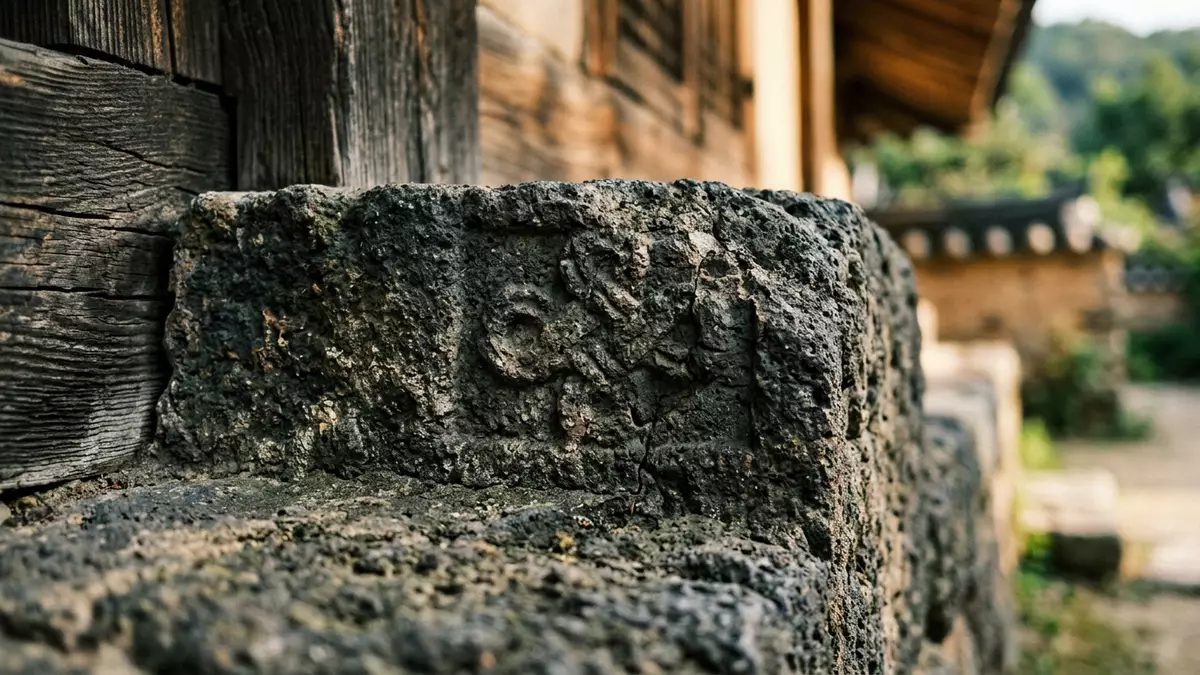
Jeonju Hanok Maeul and its tiled-roof streets
Published on 08/08/2026 at 15:02 | Editorial responsibility: Rafael Müller, Editor-in-Chief AD HOC NEWS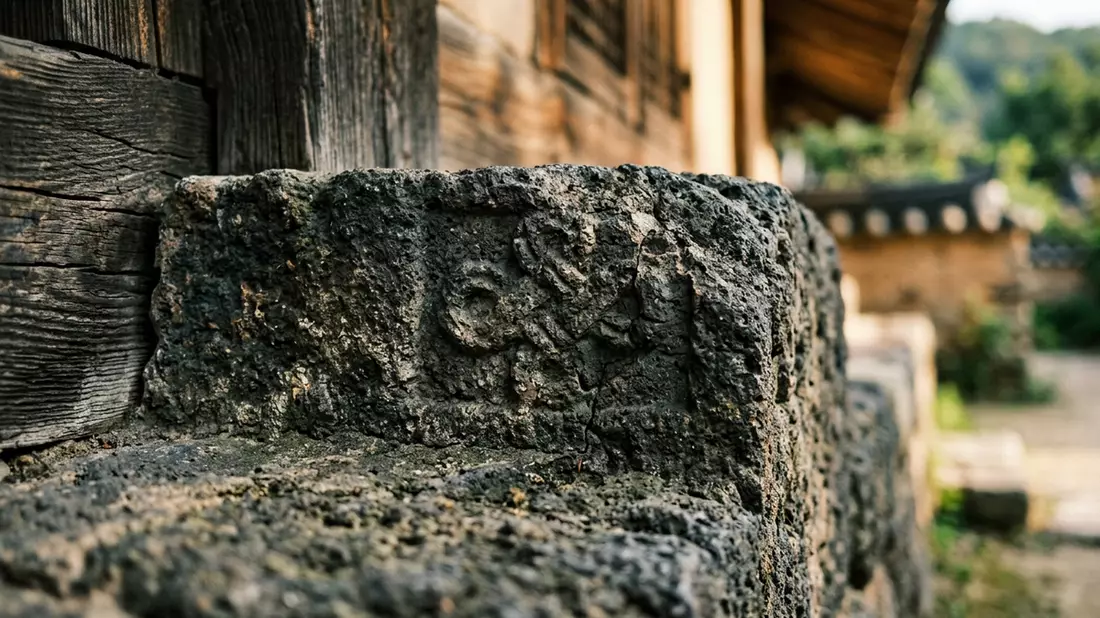
Jeonju Hanok Maeul is a dense district of hanok, the Korean traditional house form, in the city of Jeonju. Its streets are lined with tiled roofs, timber frames and low walls, and the setting centres on everyday urban fabric rather than a single monument.
Hanok streets in Jeonju
The district is known for the way many hanok stand close together along narrow lanes. Rooflines step across the quarter, and the repeated timber-and-tile pattern gives the area a strong visual unity.
Jeonju has long been associated with Korean food culture and with a preserved traditional quarter. Jeonju Hanok Maeul reflects that identity through its houses, small courtyards and walking streets.
Tradition in a living neighbourhood
The place is not a museum hall copied from a distance; it is a built environment made up of houses, guesthouses, tea rooms, shops and cultural spaces. The hanok form remains the most visible element, with wooden beams, curved eaves and stone-edged paths.
Many visitors come for the atmosphere of a district where domestic architecture and public life sit side by side. That mix gives the quarter a quieter architectural focus than a palace or temple complex, while still feeling active and lived in.
Jeonju, craft and local food
Jeonju Hanok Maeul sits within a city whose name is often linked with bibimbap and other regional dishes. The district therefore works as both an architectural area and a place tied to local eating, craft and small-scale hospitality.
The result is a neighbourhood that can be read through its roofs, signs and street frontage as much as through its shops. Even without a strict monument route, the quarter offers a clear picture of the hanok as an urban type rather than an isolated house.
Visiting Jeonju Hanok Maeul: what travellers from Western Europe should know
- The district is in Jeonju, in South Korea, and is reached from the city by local transport and on foot.
- Admission arrangements and opening hours are set by the site's operator and change with the season; the official website is the only binding source.
- Late afternoon and evening suit the lanes well, when the tiled roofs and lit shopfronts are easy to read.
- Expect uneven paving, short slopes and a fair amount of walking between lanes and small squares.
- Korean is the main language on site, and cashless payment is common in many shops and cafés.
- Entry requirements depend on your nationality. UK travellers should check the FCDO travel advice at gov.uk/foreign-travel-advice; Irish travellers the Department of Foreign Affairs at ireland.ie; EU and EEA citizens their own national foreign ministry.
Searching for Jeonju Hanok Maeul on social platforms
These links open searches for Jeonju Hanok Maeul on each platform.
Frequently asked questions about Jeonju Hanok Maeul
Where is Jeonju Hanok Maeul?
It is a hanok district in Jeonju, South Korea. The quarter sits within the city rather than apart from it.
What should I expect on a visit?
Expect walking lanes, tiled roofs, timber houses and a mix of cafés, guesthouses and cultural spaces. The district is best taken at an unhurried pace.
What makes it distinctive?
Its strength lies in the concentration of hanok across an urban neighbourhood. The repeated roofscape and timber frontages make the area immediately recognisable.