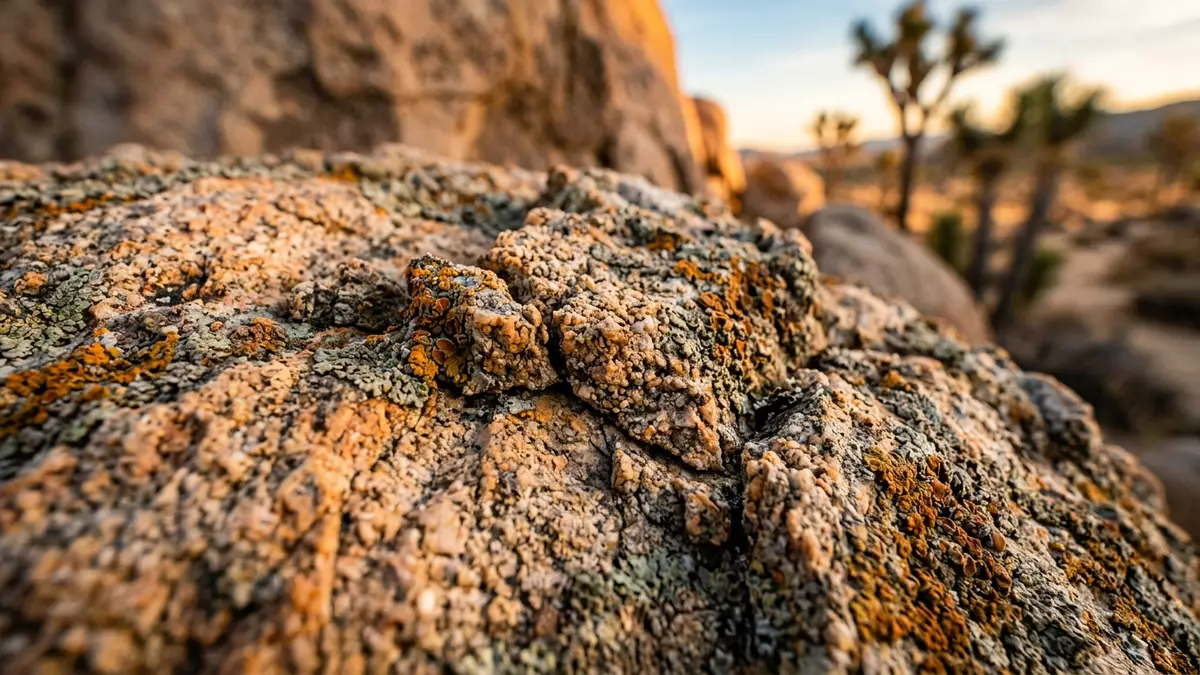
Joshua Tree National Park’s granite, sky and desert
Published on 08/09/2026 at 15:10 | Editorial responsibility: Rafael Müller, Editor-in-Chief AD HOC NEWS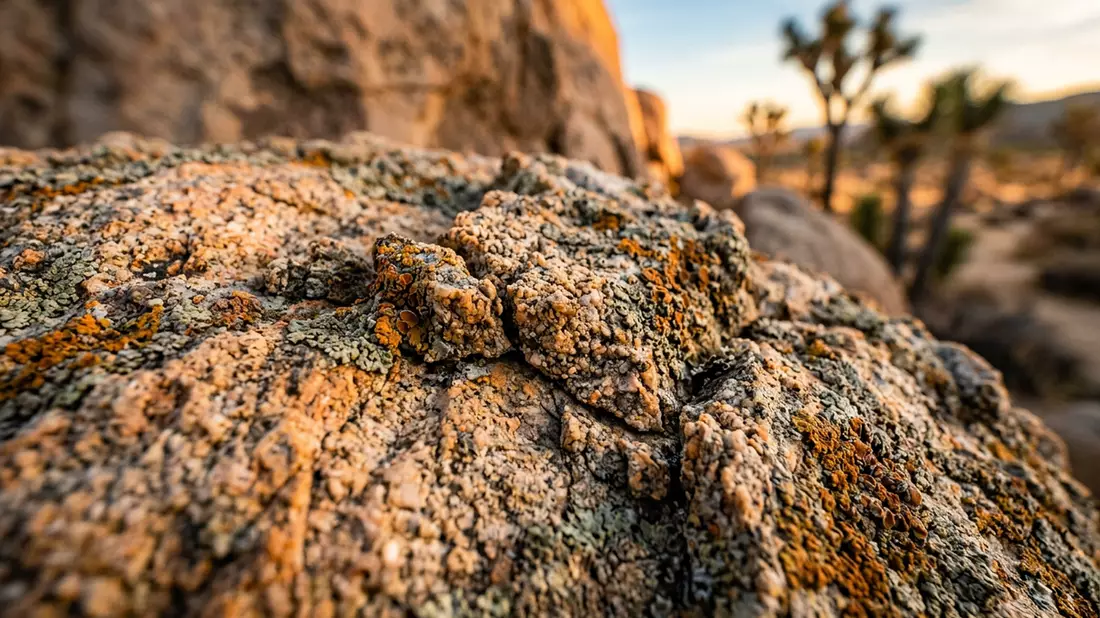
Joshua Tree National Park in southern California is shaped by two deserts meeting at one boundary line: the higher, cooler Mojave and the lower Colorado Desert. Its Joshua trees, granite outcrops and open basins make the park easy to recognise even before its name appears on a sign.
Granite domes above desert flats
The park’s most striking landforms are its granite monoliths, rounded domes and fractured boulders. Hidden Valley, Hall of Horrors and the formations near Jumbo Rocks all show the same hard, weathered stone in different forms.
Those rocks give the park a strong visual rhythm. In one stretch the horizon is open and flat; in the next it breaks into stacked boulders, narrow gaps and smooth slabs.
Joshua trees and desert plant life
The Joshua tree, a yucca, is the plant most closely associated with the park. Its branching silhouette appears across washes, slopes and open desert, often beside cacti, creosote bush and other drought-tolerant plants.
The plant communities shift with elevation and soil. Pinyon pines and junipers appear in higher country, while lower ground carries a sparser desert look with wide intervals between shrubs and rocks.
A landscape shaped by elevation and light
The park covers a broad stretch of desert terrain, so the same day can bring very different scenes. Broad valley floors, rocky hills and higher ridges all sit within the same protected area.
Sunrise and sunset bring long shadows across the rock faces and the boulder fields. The changing light is one of the clearest ways to read the shapes of the land.
Visiting Joshua Tree National Park: what travellers from Western Europe should know
- The park is reached from Southern California by road, with access from the Joshua Tree area and nearby desert towns.
- Admission arrangements and opening hours are set by the site's operator and change with the season; the official website is the only binding source.
- Late autumn, winter and spring bring milder conditions for walking and driving, while summer heat can be severe on exposed ground.
- Many trails cross rock, sand and uneven desert ground, and some paths involve short climbs over boulders.
- Visitor facilities are limited compared with a city park, so water, sun protection and fuel matter for longer drives through the area.
- Entry requirements depend on your nationality. UK travellers should check the FCDO travel advice at gov.uk/foreign-travel-advice; Irish travellers the Department of Foreign Affairs at ireland.ie; EU and EEA citizens their own national foreign ministry.
Searching for Joshua Tree National Park on social platforms
These links open searches for Joshua Tree National Park on each platform.
Frequently asked questions about Joshua Tree National Park
Where is Joshua Tree National Park?
It lies in southern California, where the Mojave and Colorado deserts meet.
What should a visitor expect?
Expect desert roads, rock formations, cactus gardens and trails across sand and stone. Shade is limited in many areas.
What makes it distinctive?
The combination of Joshua trees, granite domes and open desert gives the park its recognisable character.