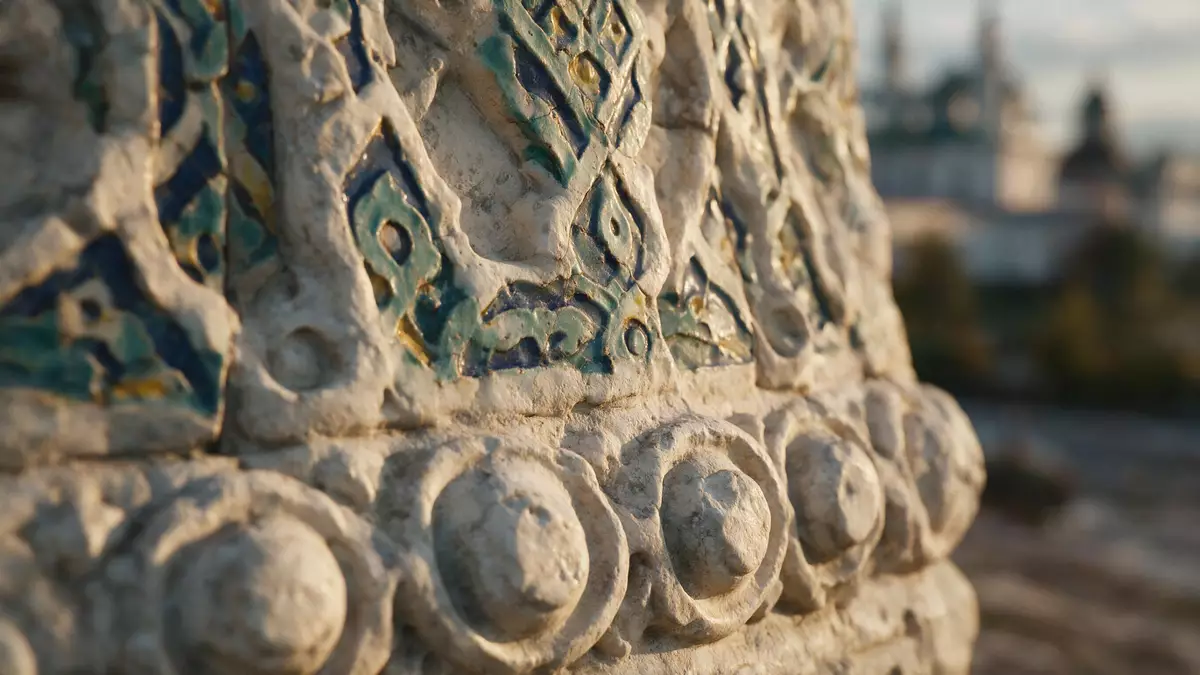
Kazanski Kreml and the white walls above Kasan
Published on 08/09/2026 at 15:12 | Editorial responsibility: Rafael Müller, Editor-in-Chief AD HOC NEWS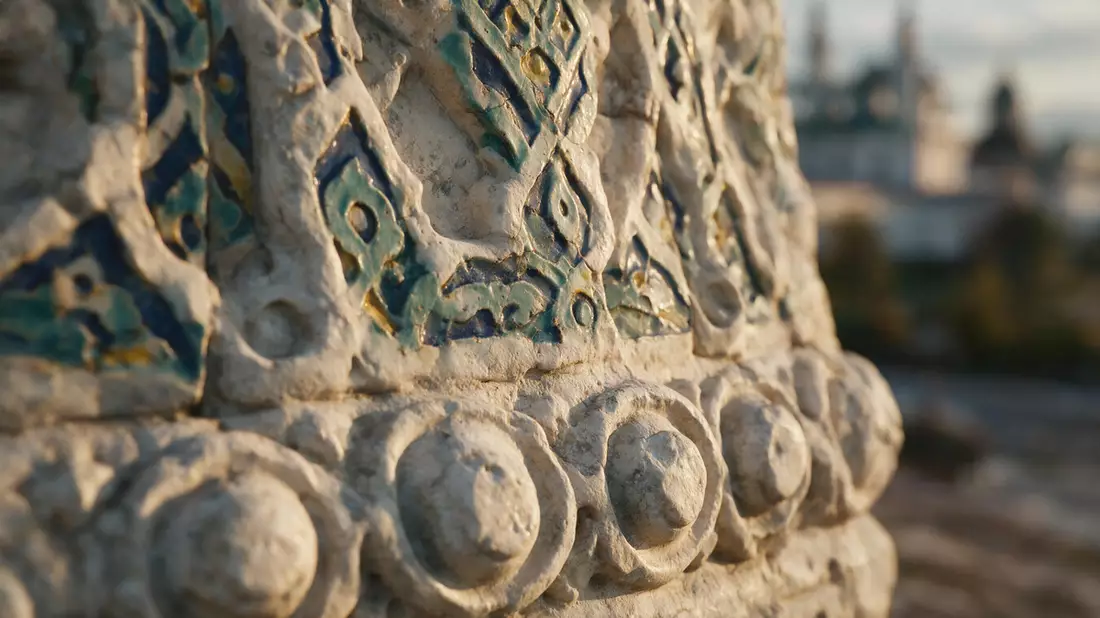
Kazanski Kreml rises above Kasan as a white-stone fortress complex with domes, towers and courtyards inside its walls. Built in the 16th century under Ivan IV, it combines the city’s main Orthodox and Islamic landmarks in one enclosed site.
White walls, towers and sacred buildings
The kremlin’s walls are the first thing many visitors notice, but the ensemble inside is just as distinctive. The Annunciation Cathedral, the Söyembikä Tower and the Kul Sharif Mosque sit within the same fortified precinct, giving the place a layered skyline.
That mix reflects the long history of Kasan as a Volga city shaped by both Russian and Tatar traditions. The Kremlin was inscribed as a UNESCO World Heritage Site in 2000, and the designation recognises its role as a meeting point of cultures and styles.
From fortress to civic landmark
Kazanski Kreml began as a Kremlin in the Russian sense, a fortified centre of power. Its surviving fabric includes stone walls, gates and religious buildings that give the site a compact, walkable form.
The complex also functions as part of the city’s public life. Museums, ceremonial spaces and places of worship share the same enclosed ground, so the visit moves between military architecture, ecclesiastical space and civic presence.
Stone, domes and the skyline above Kasan
The most memorable view is the contrast between the pale walls and the domes and minarets inside them. The composition is especially clear from outside the fortress, where the elevated position makes the Kremlin a fixed landmark in the city.
Inside, the spaces vary from broad paved areas to quieter corners around the major buildings. The result is less a single monument than a sequence of structures, each with its own date, faith and historical layer.
Visiting Kazanski Kreml: what travellers from Western Europe should know
- The site is in central Kasan, in the Republic of Tatarstan, and is reached from the city by road and on foot.
- Admission arrangements and opening hours are set by the site's operator and change with the season; the official website is the only binding source.
- Late spring, summer and early autumn offer the easiest conditions for walking through the courtyards and along the walls.
- The ground includes paved surfaces, steps and some uneven areas, so comfortable footwear is sensible.
- Russian is the main language on site, and cashless payment is often useful for services in the city.
- Entry requirements depend on your nationality. UK travellers should check the FCDO travel advice at gov.uk/foreign-travel-advice; Irish travellers the Department of Foreign Affairs at ireland.ie; EU and EEA citizens their own national foreign ministry.
Searching for Kazanski Kreml on social platforms
These links open searches for Kazanski Kreml on each platform.
Frequently asked questions about Kazanski Kreml
Where is Kazanski Kreml?
It stands in central Kasan, the capital of Tatarstan in Russia, on an elevated site above the city. The fortress complex is easy to recognise from its white walls and major religious buildings.
What should visitors expect?
Expect a compact historic complex with walls, towers, museums and active religious buildings. The visit involves walking on paved ground with some steps and uneven sections.
What makes it distinctive?
Its distinctive quality is the combination of Orthodox and Islamic architecture within one Kremlin. The contrast between the Annunciation Cathedral and the Kul Sharif Mosque gives the place its most memorable profile.