Kerala Backwaters and Alappuzha’s canal landscape
Published on 08/09/2026 at 15:01 | Editorial responsibility: Rafael Müller, Editor-in-Chief AD HOC NEWS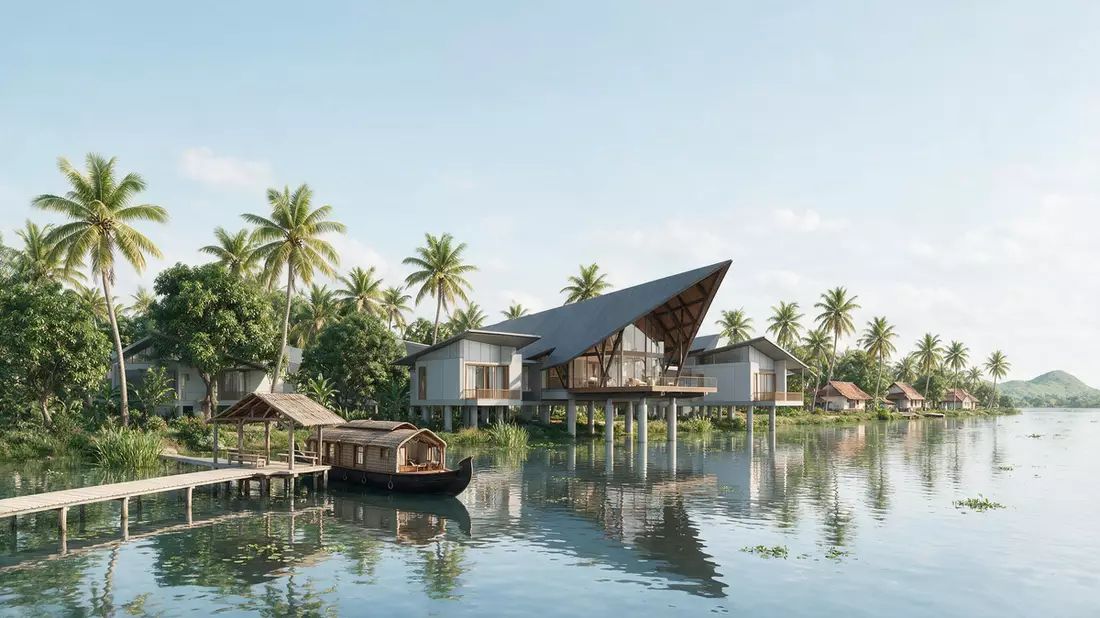
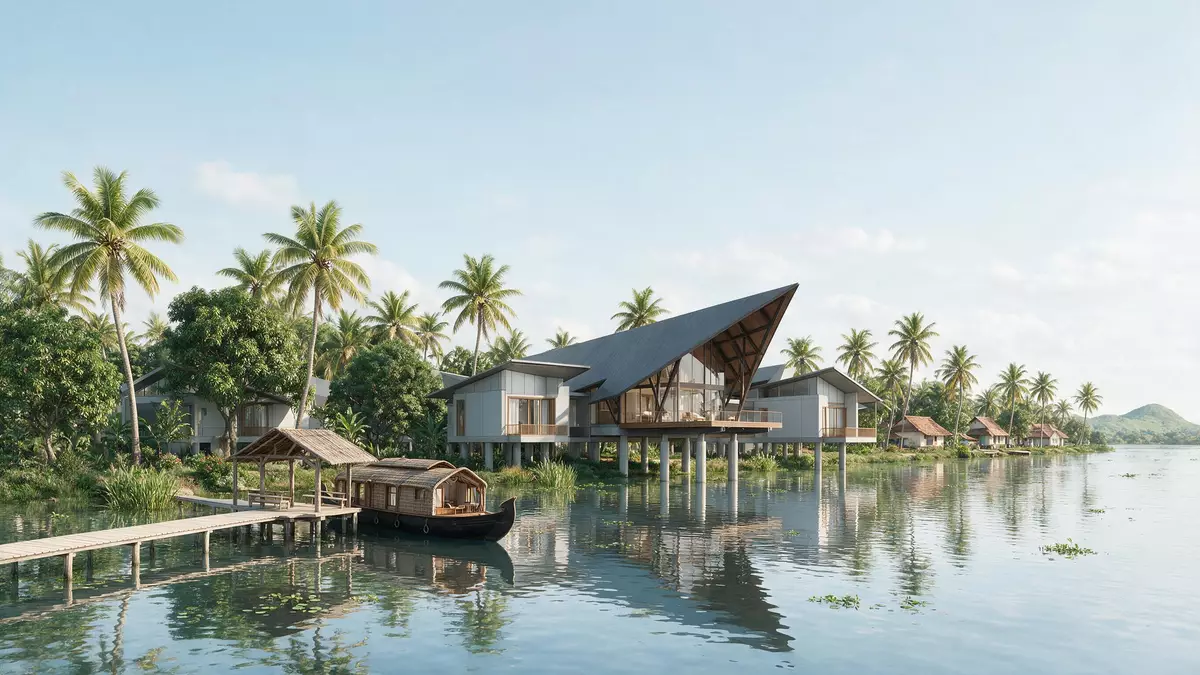
Kerala Backwaters around Alappuzha form a broad inland water landscape of lagoons, canals and lakes. Houseboats, ferries and small workboats move through a setting shaped by water, coconut palms and low-lying land.
Water routes around Alappuzha
The backwaters spread across a chain of waterways along Kerala’s coast, with Alappuzha as one of the best-known access points. Vembanad Lake, the largest lake in Kerala, is part of this system, and so are smaller canals that thread through villages and paddy fields.
The landscape is not one single canal or lake, but a connected network. That mix of open water and narrow channels gives the area its identity, and it also explains why local travel here often follows the water rather than the road.
Houseboats and everyday movement
Many visitors first meet Kerala Backwaters through houseboats, which are among the most recognisable features of the area. These vessels echo the old freight boats of the region, but they also serve travellers who want to stay on the water.
The same waterways carry ferries, fishing boats and small craft used by residents. That daily traffic keeps the backwaters from feeling like a set piece; they remain part of working coastal life.
Landscape, crops and settlements
Much of the shoreline is low and green, with coconut groves, rice fields and small settlements close to the water. In places, the banks are edged by stone, mud or simple jetties rather than formal promenades.
The backwaters also reflect Kerala’s long relationship with inland navigation and coastal trade. Alappuzha developed as a port town and remains closely tied to waterborne movement, even as roads and rail have changed how people arrive.
Visiting Kerala Backwaters: what travellers from Western Europe should know
- The area is reached from Alappuzha by road and by boat on the canal and lake network.
- Admission arrangements and opening hours are set by the site's operator and change with the season; the official website is the only binding source.
- Dry months bring clearer skies and easier boating conditions, while the monsoon season brings heavier rain and fuller waterways.
- Some walks along the banks use uneven ground, narrow paths and steps down to jetties.
- English is used in much visitor-facing contact, and cash remains useful for smaller services.
- Entry requirements depend on your nationality. UK travellers should check the FCDO travel advice at gov.uk/foreign-travel-advice; Irish travellers the Department of Foreign Affairs at ireland.ie; EU and EEA citizens their own national foreign ministry.
Searching for Kerala Backwaters on social platforms
These links open searches for Kerala Backwaters on each platform.
Frequently asked questions about Kerala Backwaters
Where are Kerala Backwaters?
They are a network of lagoons, lakes and canals along the coast of Kerala, with Alappuzha among the main access points.
What does a visit involve?
Expect travel by boat, views across water and banks, and contact with the slower rhythm of settlements along the channels.
What makes the area distinctive?
The defining feature is the linked water landscape, where inland navigation, village life and the coastal environment meet in one connected system.