
Khan el-Khalili, the labyrinthine bazaar of Islamic Cairo
Published on 08/13/2026 at 14:13 | Editorial responsibility: Rafael Müller, Editor-in-Chief AD HOC NEWS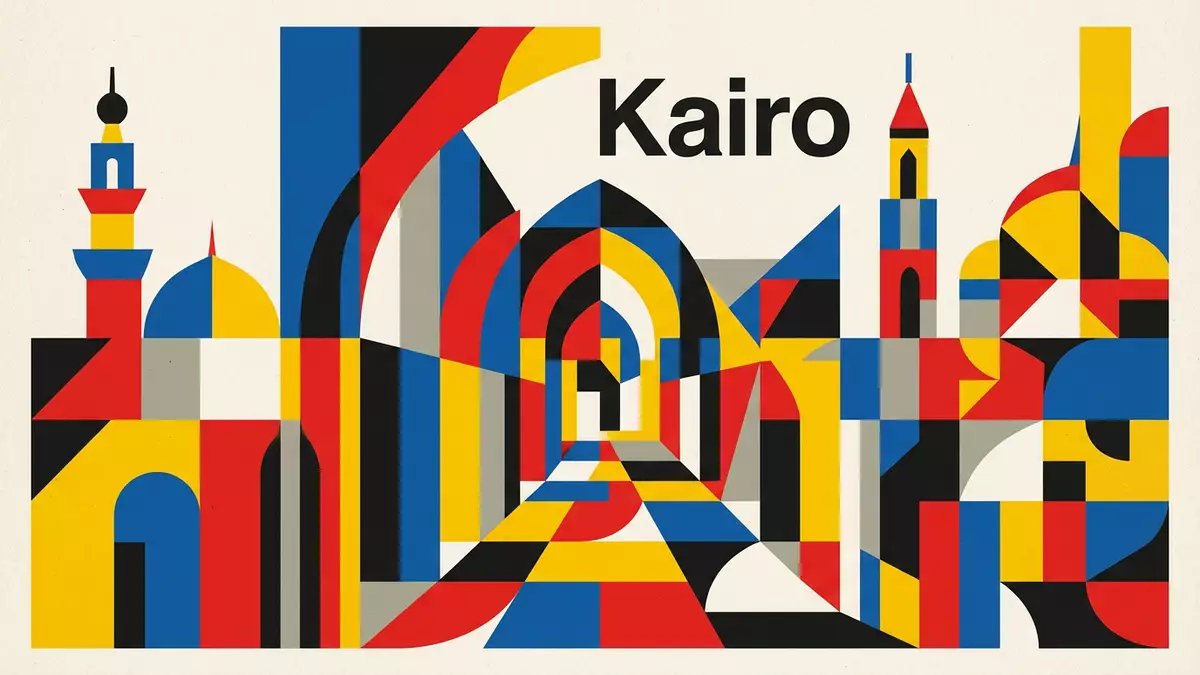
Khan el-Khalili in Kairo is a historic bazaar district in Islamic Cairo, where trading lanes, stone courts and mosque minarets merge into a single dense urban fabric. Its origins lie in the late fourteenth century Mamluk period, when Emir Jarkas al-Khalili established a commercial complex that grew into the market quarter known today as Khan el-Khalili.
A Mamluk marketplace at the heart of Islamic Cairo
The bazaar sits within the old core of Historic Cairo, in the area commonly called Islamic Cairo, near Al-Azhar Mosque and Al-Hussein Mosque and along the spine of Al-Muizz Street.Islamic Cairo location Here, medieval religious foundations and commercial buildings stand close together, with khans, mosques and madrassas layered in stone and brick.
The commercial history of Khan el-Khalili traces back to the founding of a caravanserai by the Mamluk emir Jarkas al-Khalili in 1382, during the rule of Sultan Barquq.founded in 1382 by Jarkas al-Khalili Over time, this initial commercial building gave its name to the wider district, so that Khan el-Khalili now refers to a whole network of streets and trading spaces rather than a single courtyard alone.name extending from one building to a district
Arcades, courtyards and lanes: how the bazaar is built
Architecturally, Khan el-Khalili is made up of stone-built khans, arcaded streets and small squares whose upper levels once offered lodging to merchants while the ground floors housed workshops and trading spaces.historic caravanserai structure The traditional khan layout, with a central court surrounded by arcades and rooms, survives in several buildings, even where ground-floor spaces have been turned into shops selling textiles, jewellery and brassware.
Between these larger stone structures runs a dense weave of narrow streets and covered passages, lined with stalls and small shops. Some frontages open directly to lanes, others step back behind shallow thresholds where goods spill onto the edge of the walkway. Above, projecting upper floors and mashrabiyya-style wooden screens create a layered facade that reflects Cairo’s late medieval building traditions.historic bazaar architecture
Khan el-Khalili as a living trading quarter
Khan el-Khalili functions as a working market district, with shops, workshops and cafés sharing the same lanes as visitors. Traders sell textiles, spices, perfumes, brass lamps, inlaid boxes and other crafts that link contemporary commerce to older artisanal traditions described in accounts of Cairene markets.hundreds of stalls and shops These commercial activities occupy buildings that date back centuries, so that business takes place against a backdrop of Mamluk and later Ottoman architecture.
Historically, Khan el-Khalili has been part of a wider network of markets in Cairo and is recorded as one of the major bazaars of the Middle East.among the biggest bazaars in the region Its proximity to major mosques and religious institutions made it a central point in the daily life of the historic city, linking trade, religious practice and social gathering within a few blocks of stone arcades and shaded alleys.
Visiting Khan el-Khalili: what travellers from Western Europe should know
- Khan el-Khalili lies in Islamic Cairo, in the El-Gamaleya area close to Al-Hussein Mosque and Al-Azhar Mosque, with entrances from streets such as Al-Muizz.
Taxi drivers and car services in Kairo recognise Al-Hussein Square and Al-Azhar Mosque as common drop-off points for reaching the bazaar. - The bazaar district consists of narrow lanes, uneven paving and stepped thresholds, and some inner courtyards are reached through constricted passageways, which can require careful footing on busy days.
Upper levels are accessed by staircases inside individual buildings, many of which are tighter and steeper than modern commercial stairs. - Khan el-Khalili sits within Historic Cairo, so other major sites such as Al-Azhar Mosque, Al-Hussein Mosque and sections of Al-Muizz Street lie within a short walk of the market district.
This concentration of mosques, madrasas and markets makes the area one of the densest historic quarters in Egypt. - The official language is Arabic and the currency is the Egyptian pound.
Entry requirements depend on your nationality; UK travellers can check the FCDO travel advice at gov.uk/foreign-travel-advice, Irish travellers the Department of Foreign Affairs at ireland.ie.
Searching for Khan el-Khalili on social platforms
These links open searches for Khan el-Khalili on each platform.
Frequently asked questions about Khan el-Khalili
Where is Khan el-Khalili located in Kairo?
Khan el-Khalili is located in Islamic Cairo, in the El-Gamaleya area near Al-Azhar Mosque, Al-Hussein Mosque and Al-Muizz Street in the historic centre of the city.
What should visitors expect when walking through the bazaar?
Visitors encounter a dense maze of narrow lanes, stone-built khans, workshops and shops, with textiles, brassware, spices and cafés occupying ground floors beneath historic upper-storey rooms.
What makes Khan el-Khalili distinctive among Cairo’s markets?
Khan el-Khalili combines a fourteenth-century Mamluk commercial foundation, surviving caravanserai architecture and a large trading district embedded among major mosques in the historic core of Kairo.


